
 Türkçe
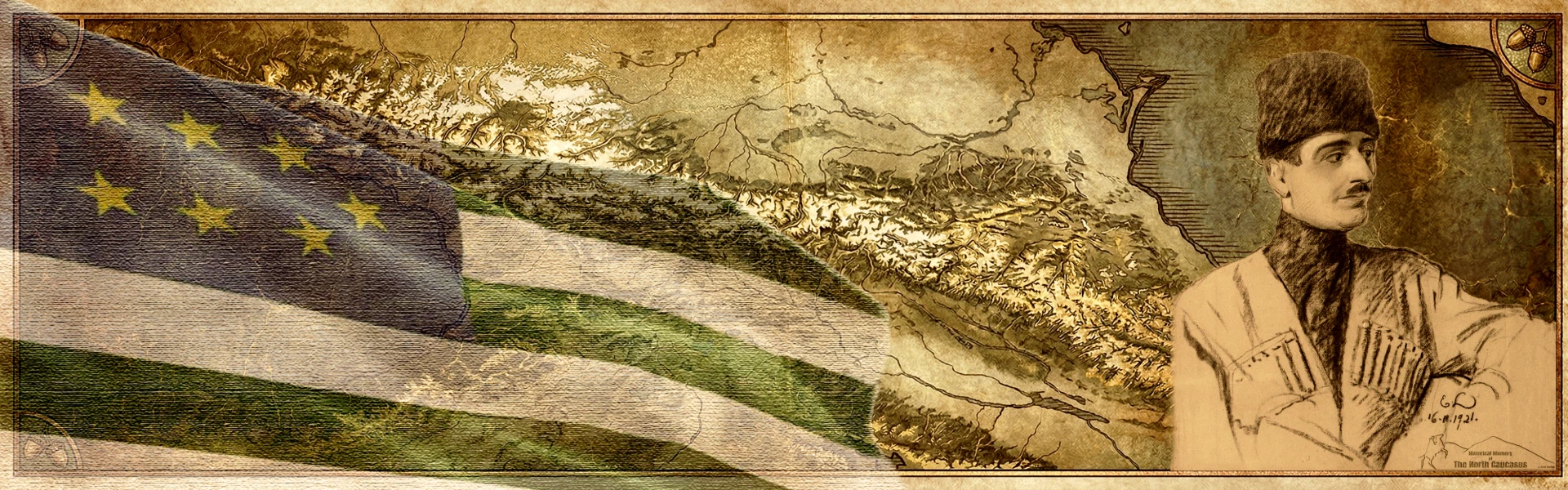
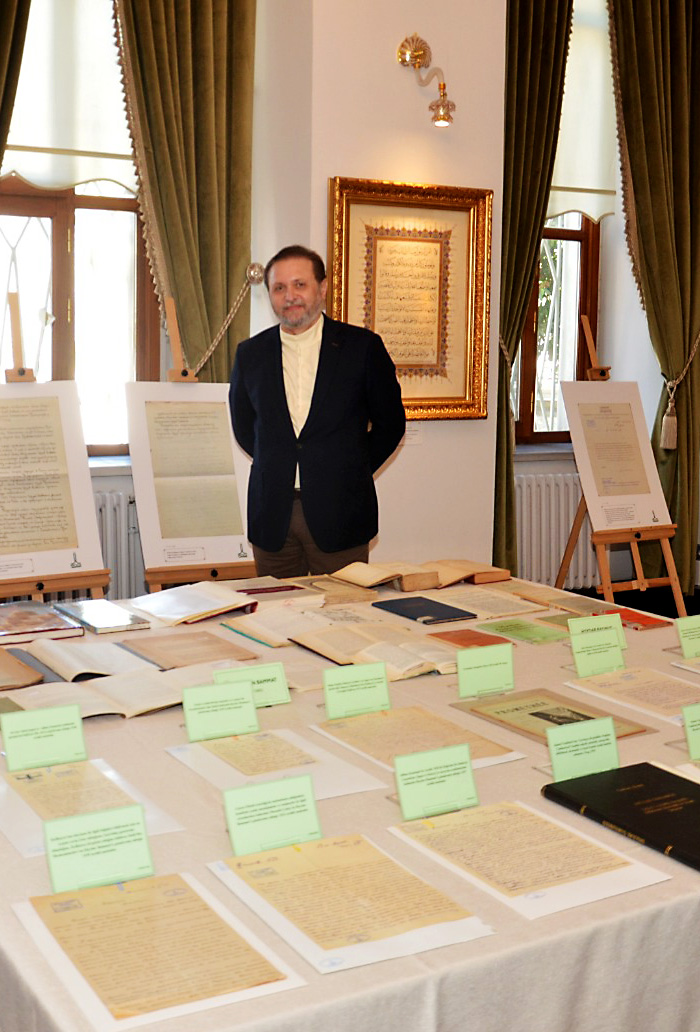
On May 11, 2026, we finally made Haydar Bammat’s archive—hidden away behind locked doors in Istanbul for 35 years—accessible online to the entire world. The fact that this official inauguration coincided with May 11, the 108th anniversary of the declaration of independence of the Mountaineers' Republic of the Northern Caucasus, was naturally a source of profound joy for us. First and foremost, I would like to express my indescribable elation that this treasure trove of information, inaccessible for decades, has finally been made available.
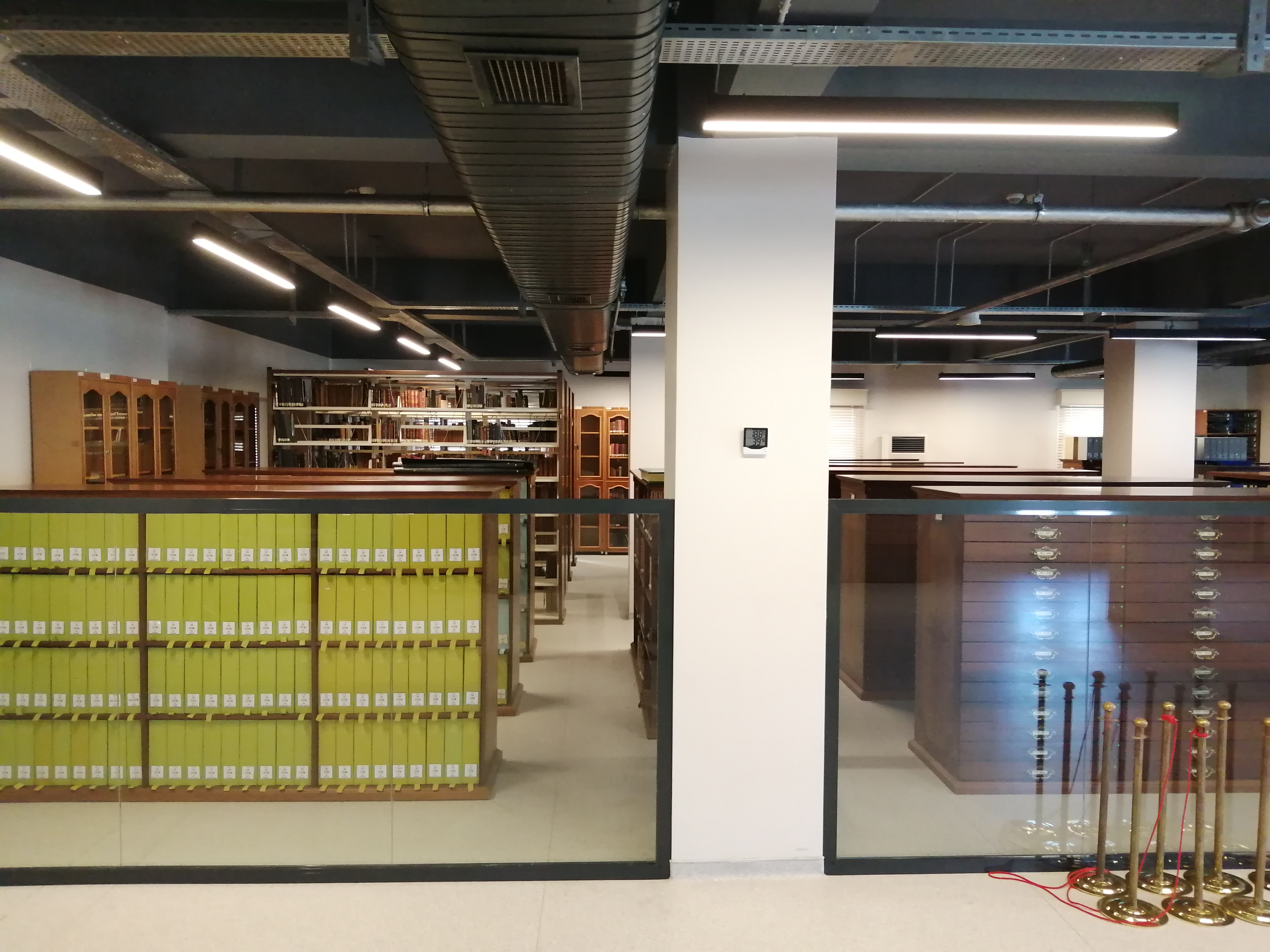
What is the Haydar Bammat Archive?Spanning forty years from 1910 to 1950—an era in which the Russian and Ottoman empires were convulsed by revolutions and the world was shattered by global wars—this archive contains documents of paramount importance on the Caucasus. It was meticulously preserved by Haydar Bammat, who carried it with the utmost care, akin to a tortoise carrying its shell, as he was displaced from country to country and city to city.
What Does the Archive Inventory Contain?After weeding out duplicate documents, the contents of 3,483 files, comprising 12,939 leaves/pages, were scanned and made available online. These figures represent Haydar Bammat's archive exclusively and do not encompass the extensive book collection of Najmudin Bammat, which primarily focuses on Islamic philosophy and history.
The primary themes of the archive inventory are as follows:
• The struggle for the independence of the Republic of the North Caucasus.
• All diplomatic contacts in Europe, notably the Paris Peace Conference.
• The resistance against the invasion of the Caucasus by the Russian Volunteer Army.
• The formation of the Caucasian Political Emigration Movement.
• The struggle for the establishment of the Caucasian Confederation.
• Factionalization and conflicts within the Political Emigration Movement.
• Events occurring on the eve of and during the Second World War.
• Post-war relief efforts for refugees in Prisoner of War (POW) camps.
Beyond these core topics, the archive also houses documents concerning Haydar Bammat's activities within Afghan diplomatic circles and his scholarly work—articles and book drafts—on Islamic philosophy.
Russian and French materials constitute 88% of the documents in the archive. The proportional distribution of other languages is as follows:
Russian: 47.03%
French: 40.63%
Turkish: 5.02%
English: 2.21%
German: 1.78%
Arabic: 1.44%
Other (10 different languages): 1.89%
The oldest document in the inventory dates back to 1838, and the most recent to 1998. The chronological distribution of the files is as follows:
1914-1920: 11.07%
1921-1930: 12.74%
1931-1940: 28.07%
1941-1950: 19.08%
1951-1965: 9.52%
Undated/Other: 19.52%
The archive predominantly consists of handwritten letters addressed to Haydar Bammat by his contemporaries. The distribution of contents by document type is as follows:
Letters 2,102
Personal Notes 481
Diplomatic Documents 255
Other 203
Newspaper Clippings 147
Postcards 100
Articles 43
Journals 30
Photographs 21
Newspapers 14
Maps 12
Medical Reports 4
Brochures 4
Invitations 5
Book Drafts 2
A Thirty-Year Struggle for the ArchiveWhile this treasure was still in the possession of Haydar Bammat’s heirs, I had the opportunity to catch a very limited glimpse of the tip of the iceberg. In 1996, through a friend living in Paris whose mother belonged to the Russian émigré community, I had the privilege of meeting the late Marianne Bammat, the widow of the late Temirbulat (Timur) Bammat. Thanks to her, I was able to view the few materials remaining in the family's possession and learned that only a few years prior, following Najmudin Bammat's passing in 1985, the archive had been transferred to the Research Centre for Islamic History, Art and Culture (IRCICA) in Istanbul, an organ of the Organization of Islamic Cooperation (OIC), in accordance with his will.
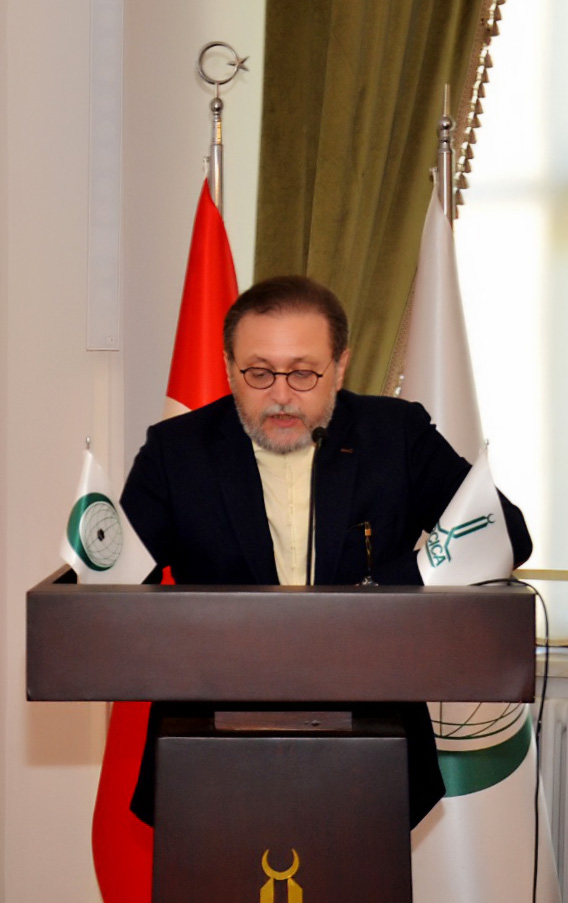
It was evident that there was a political will behind this negative stance. Indeed, at the inauguration on May 11, 2026, Prof. Dr. Ekmeleddin İhsanoğlu, a former Director General of IRCICA, clarified why the archive's doors had remained closed for an additional thirteen years, stating in his speech: "We could have actually opened this archive, but there was immense pressure from Russia..."
Following the change in IRCICA's administration towards the end of 2022 and the appointment of Prof. Dr. Mahmud Erol Kılıç to the position of Director General, I decided to make another attempt to access the archive. Through our dear friend and esteemed academic Prof. Dr. Yücel Oğurlu, I requested an appointment and visited Mr. Kılıç. I presented him with samples of my previous scholarly work and elucidated the profound significance this archive holds for Northern Caucasian historical studies.
Thanks to Mr. Kılıç, who listened to my explanations and requests with meticulous attention, and owing to his enlightened persona and dedication to academic principles, the 35-year censorship came to an end at the close of February 2023. Following the trust placed in me and the signing of a non-disclosure agreement with rather strict stipulations, I commenced the identification, classification, and cataloging work in early March 2023. I completed these tasks by the end of October and submitted them to the IRCICA administration. From that point forward, as I began drafting monographic works utilizing the aforementioned archival material, IRCICA initiated the process of making the inventory accessible online. Over this period of slightly more than two and a half years, while I completed a two-volume study, the digitization of the inventory was finalized. On May 11, 2026, together with the dedicated staff of IRCICA, we successfully made the archive available to the public.
Why is this Archive so Crucial for Historians and the Peoples of the Northern Caucasus?During the dissolution of the Soviet Union, while neighboring peoples in countries such as Georgia, Azerbaijan, and Armenia were able to properly study their own histories and translate them into monographic works, we, the Northern Caucasians, were deprived of these opportunities.
Following the successive passing of Haydar Bammat and his comrades-in-arms in the early 1960s, there was no one left to adequately recount to us the history of the Northern Caucasus "Between Revolutions and World Wars." We attempted to comprehend the history of the Northern Caucasus during this turbulent period through secondary and tertiary sources, relying on fragments of information that relevant states permitted access to within their archives. Consequently, the pieces of the puzzle remained perpetually incomplete, and the conclusions drawn from the available information were consistently flawed.
Thanks to this archive, researchers will no longer have to rely on the breadcrumbs of information that countries like Russia, Georgia, Azerbaijan, Armenia, France, Poland, Germany, Switzerland, the United Kingdom, and others who played significant roles during this era chose to open based on their own political interests. Instead, by completing the missing pieces of the puzzle, they will be able to rigorously and properly study this critical epoch of Northern Caucasian history.
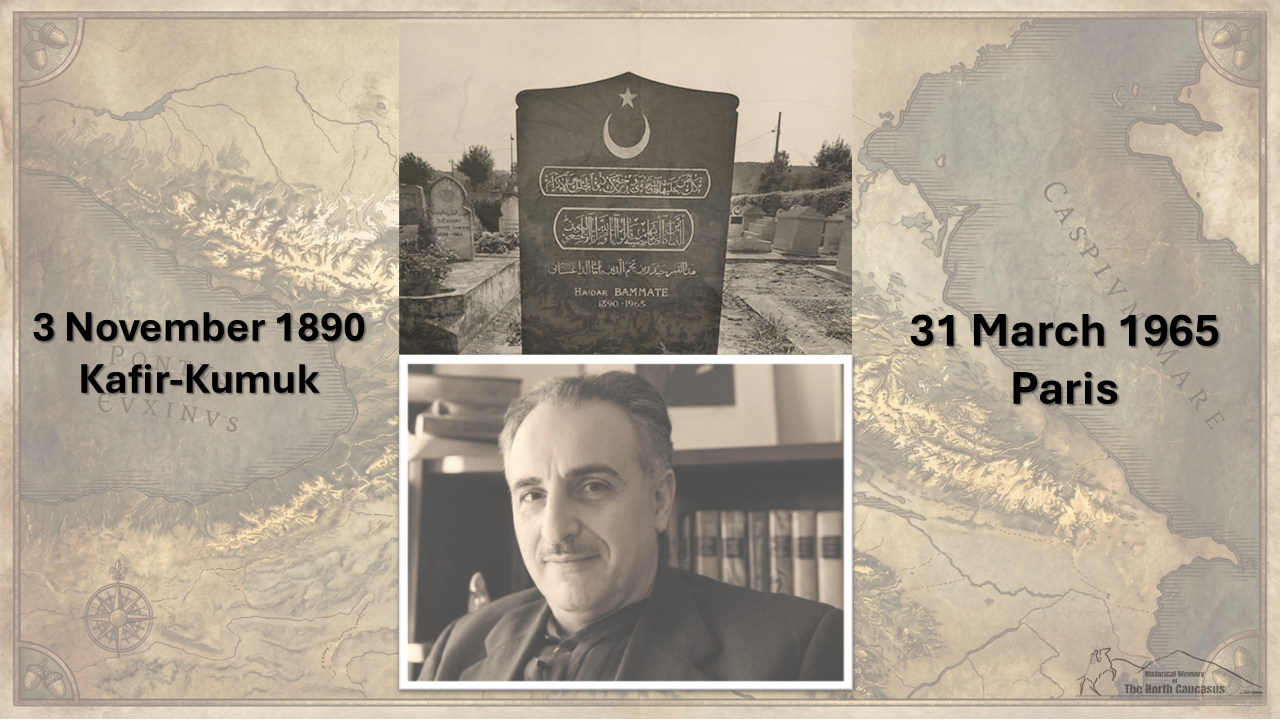
Who is Haydar Bammat and What is His Place in Northern Caucasian History?As can be seen in the encyclopedic information easily accessible on the internet today, we know that Haydar Bammat was born on November 3, 1890, in the village of Kafir-Kumuk in the Temir-Khan-Shura district of Dagestan, and was a member of a family belonging to the Kumyks, a Turkic people of the Caucasus. But what are the details about him that cannot be easily found amidst this superficial online data?
Haydar Bammat’s father, Najmudin Bammat, who served as a lieutenant colonel in the Tsarist Army, desired for his children to receive a robust education and to become proficient in a profession other than the military, which was generally considered the sole career path available to a Caucasian Mountaineer. He struggled to educate his children with very limited financial means and did not hesitate to persistently petition state officials to secure the necessary educational scholarships.
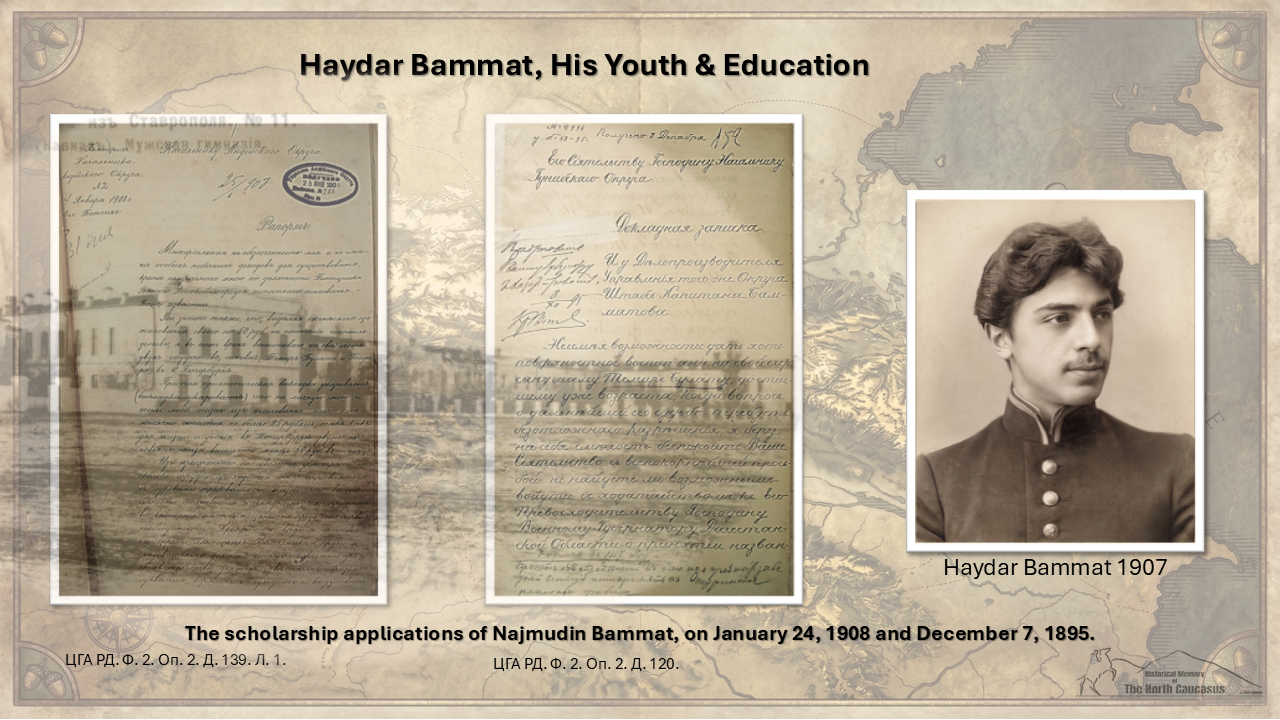
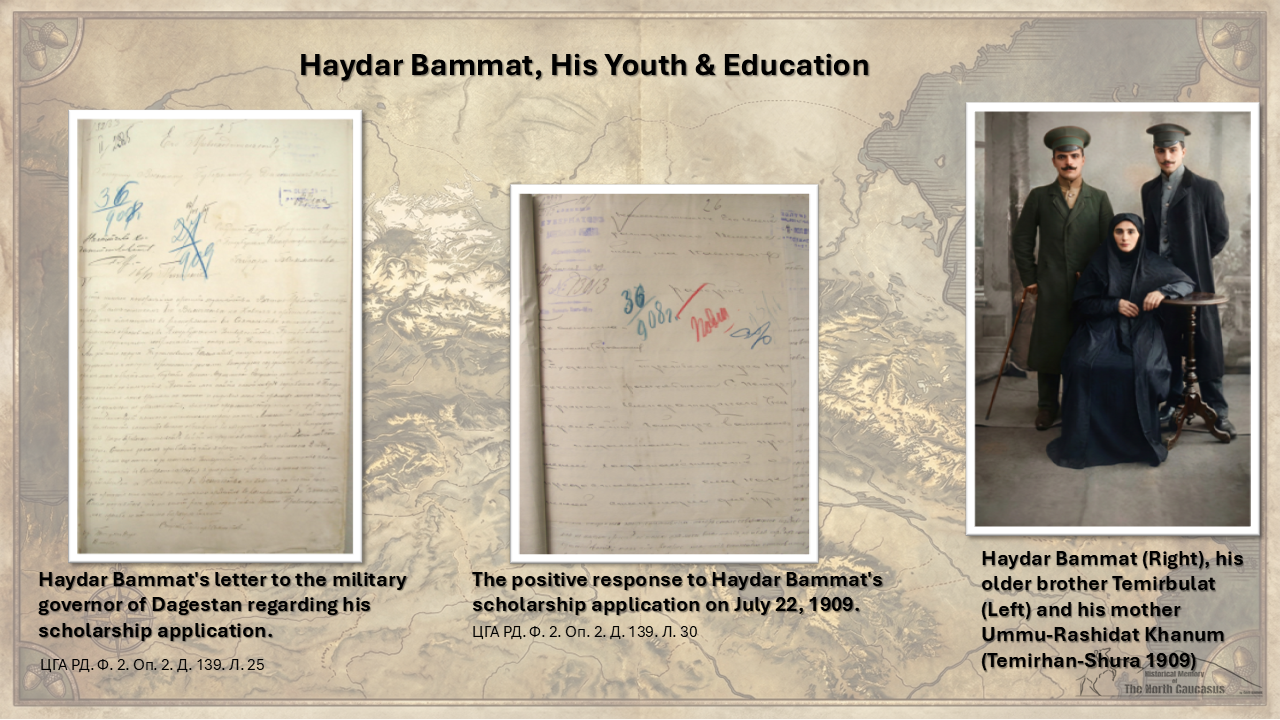
Nevertheless, the Russian state was not particularly generous to the Caucasian Mountaineers regarding these matters. Ironically, the response to Haydar Bammat’s final scholarship application—submitted on June 16, 1909, after years of unanswered requests—arrived the day after his father, Najmudin Bammat, was martyred by bandits in the mountains on July 21, 1909. Through this, he was at least able to secure a scholarship for his final two years at the Faculty of Law.
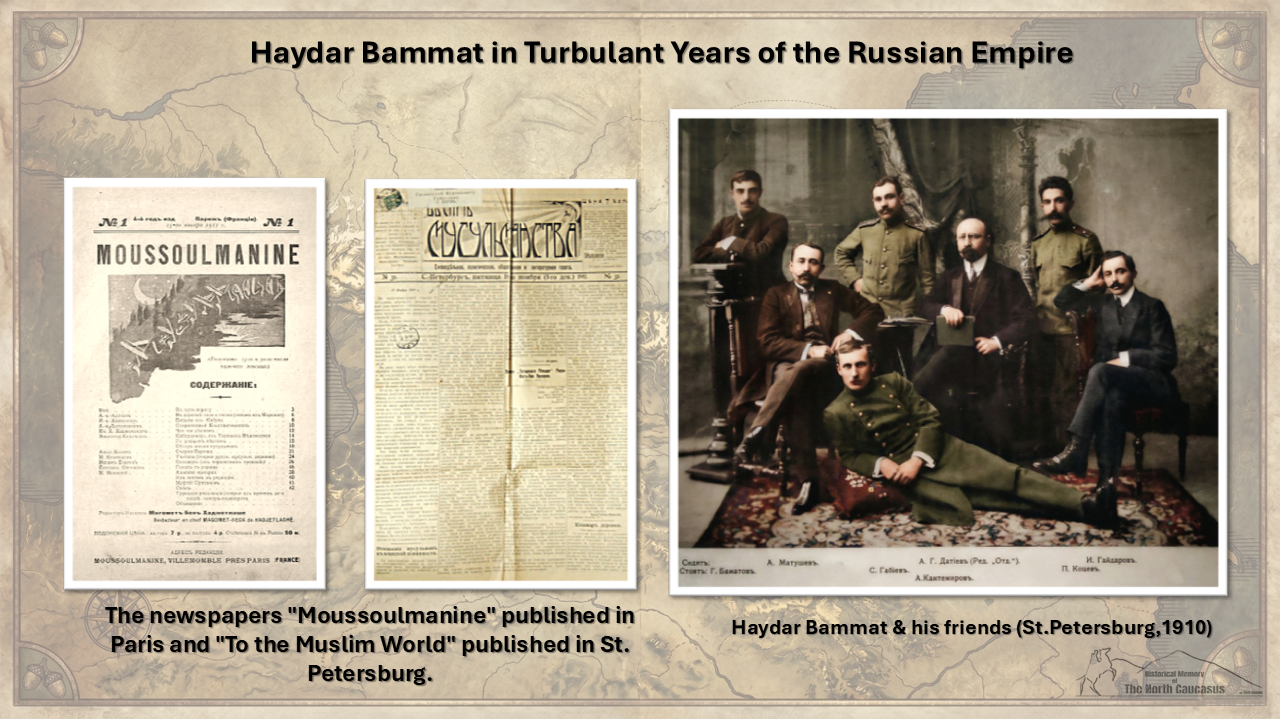
Introduced to the thorny paths of politics during those years when Russia was shaken by the winds of revolution, Haydar Bammat attracted the attention of the Tsar's secret police through his authored articles and publishing activities. In the Russian capital, he met figures such as Ibrahim Haydar, Alikhan Kantemir, and Pshemakho Kotsev—fellow Caucasian Mountaineers with whom he would fight shoulder-to-shoulder as comrades for the rest of his life. Together with his peers, he served on the editorial boards of journals and newspapers such as Moussoulmanine, published in Paris, and V Mir Musulmanstva (To the Muslim World), published in St. Petersburg.
Following his university education, he began working at the Imperial Viceroyalty in Tiflis (Tbilisi). During this period, with the outbreak of the February Revolution, he assumed active roles in revolutionary activities alongside delegates of the non-Russian and Muslim peoples of the disintegrating Russian Empire.
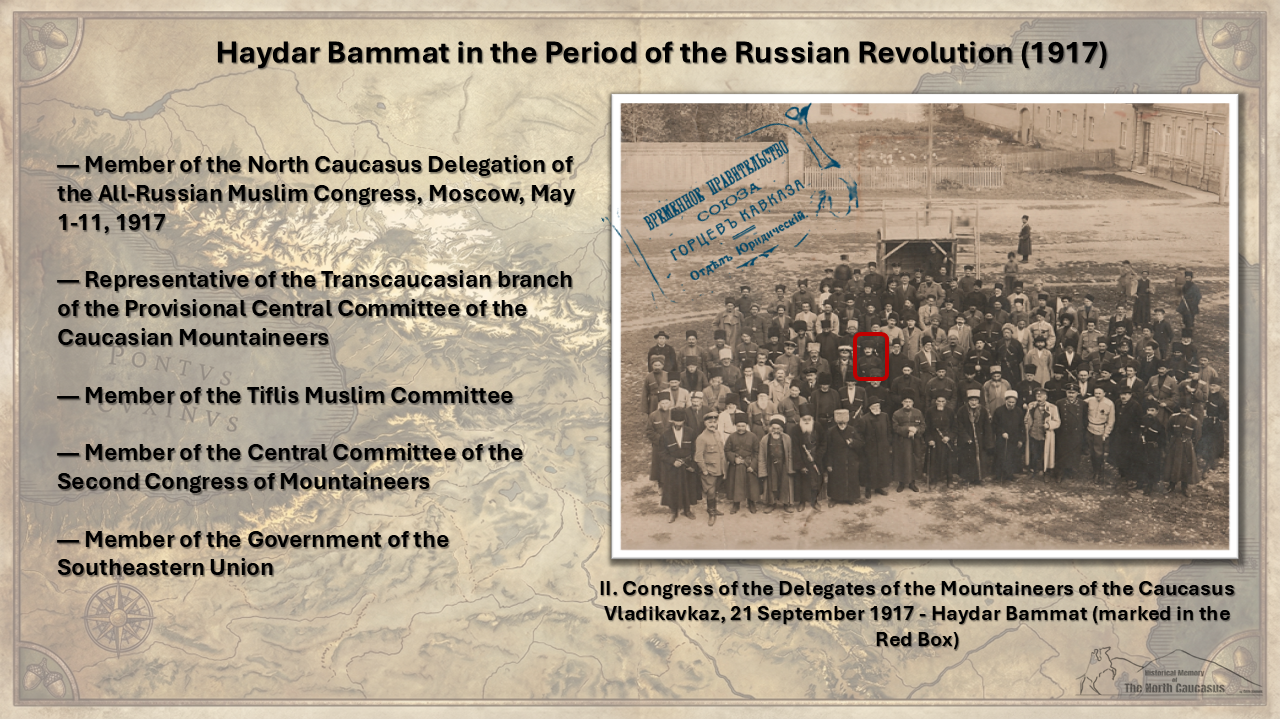
He participated as a member of the Northern Caucasian Delegation at the "All-Russian Muslim Congress" held in Moscow from May 1 to 11, 1917, where he delivered highly significant papers. While in Tiflis as the "Transcaucasian Delegate" of the Provisional Central Committee of the Mountaineers of the Caucasus, he simultaneously operated as an active member and executive of the "Tiflis Muslim Committee." On September 21, he attended the "Second Congress of the Mountaineers of the Caucasus" organized in Vladikavkaz, where he was elected to the Central Committee. In his absence, he was elected as a delegate to the "South-Eastern Union Government," established in collaboration with the Cossacks during those days. However, he had no notable activity within this short-lived entity.
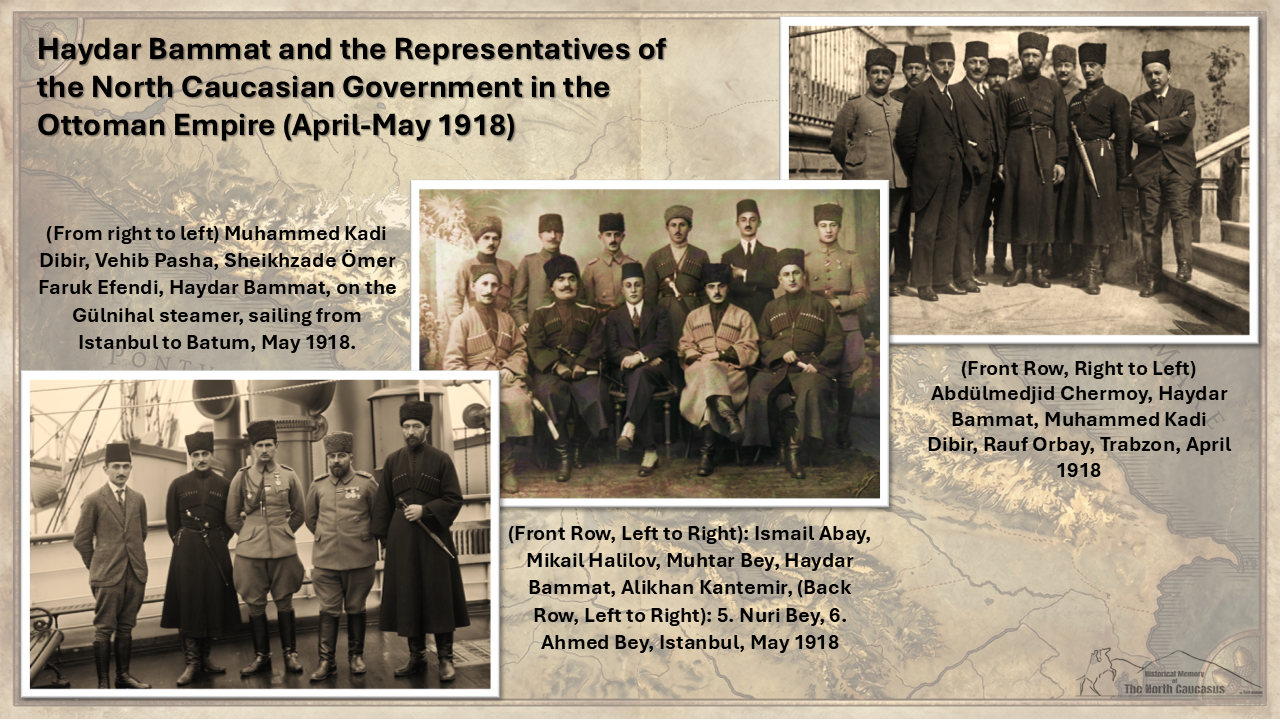
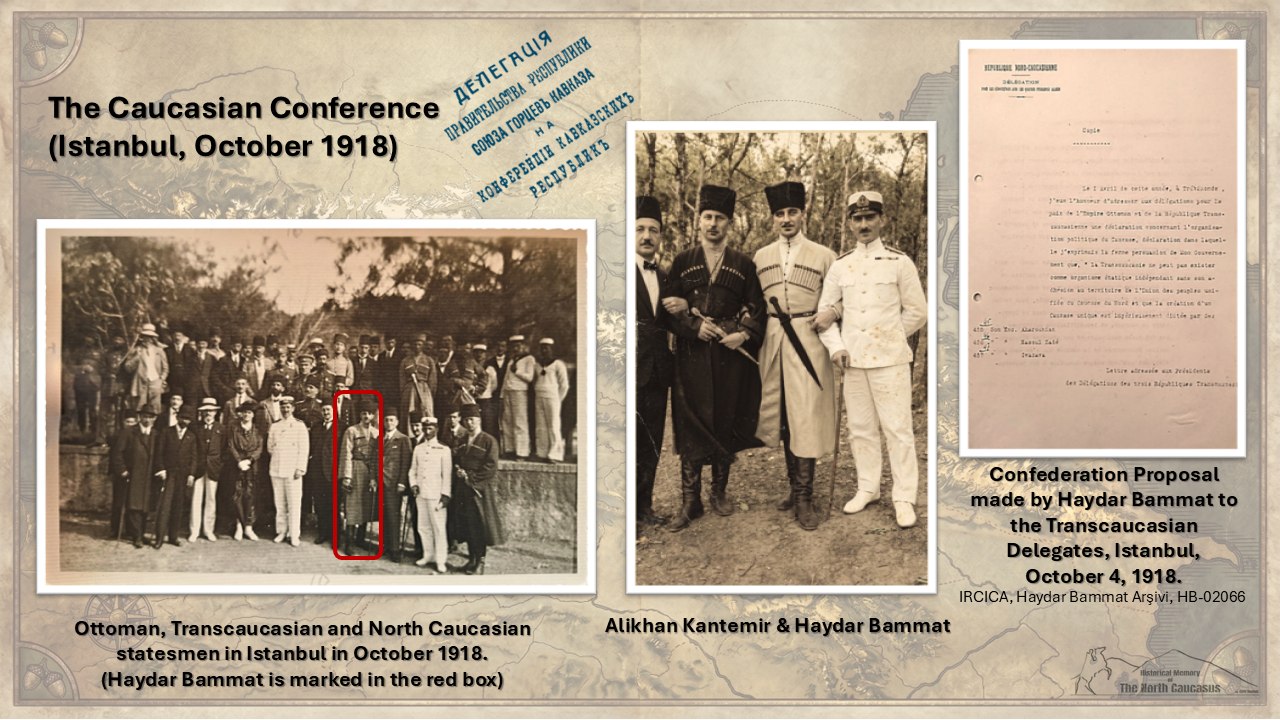
Following the Bolshevik Russians' seizure of power in October 1917, their withdrawal of Russia from World War I, and the subsequent signing of the Treaty of Brest-Litovsk with the Central Powers, he was part of the Northern Caucasian delegation that traveled to the Ottoman Empire to seek support for their declaration of independence. During negotiations in Trabzon and Istanbul (Dersaadet), he engaged in diplomatic contacts with Ottoman state dignitaries and presented multiple proposals to the Transcaucasian delegates for the establishment of a Great Caucasian Confederation.
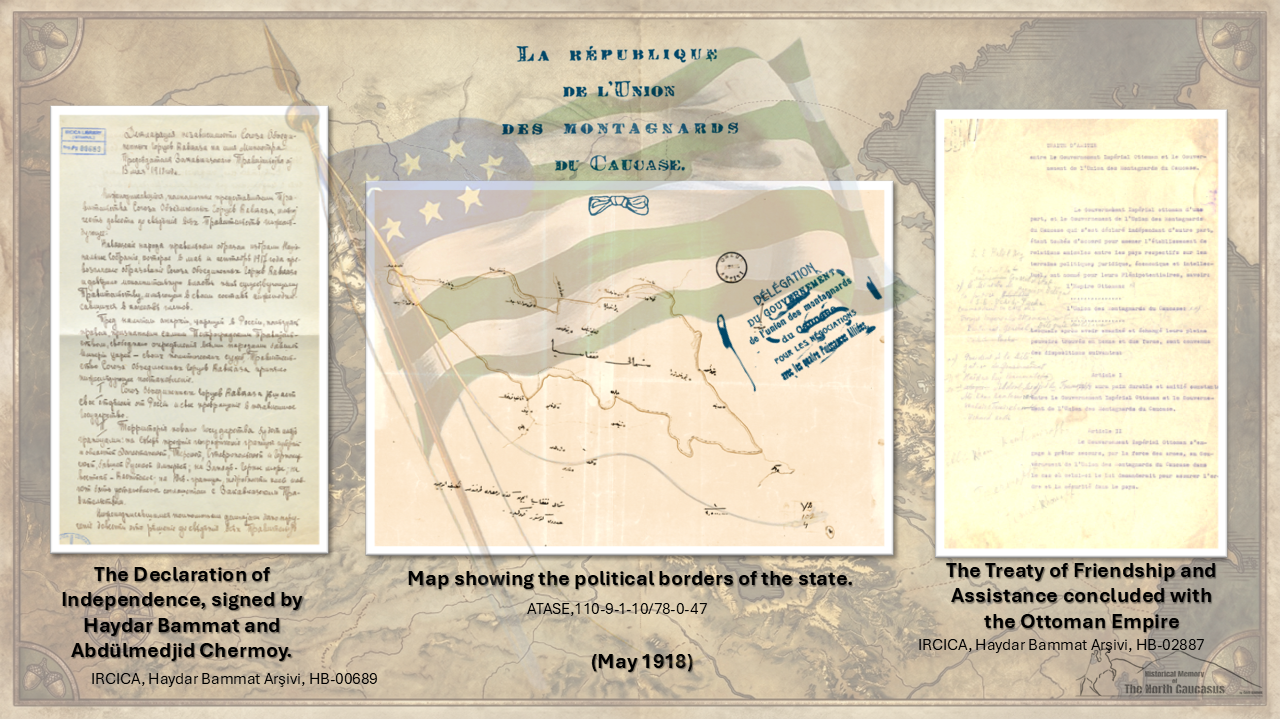
While in Batum with the Northern Caucasian Government delegation under his chairmanship, a failure to reach a consensus on border disputes between the Ottoman Empire and the Transcaucasian Sejm led him, together with Abdulmajid Tapa Tchermoeff, to sign the Declaration of Independence of the Northern Caucasus on May 11, 1918, proclaiming it to the entire world. The Ottoman Empire became the first state to recognize this new state, subsequently signing a Treaty of Friendship and Mutual Assistance with it.
He conducted efforts in Batum and Istanbul, striving for the international recognition of the new state. Amidst these endeavors, he reiterated on countless occasions his proposals to the representatives of the Transcaucasian Republics for the establishment of the Great Caucasian Confederation.
Finding no reciprocation for his efforts, and upon learning that the tide of war was turning against the Central Powers and that a Peace Conference was to be convened in Paris, Bammat traveled to Switzerland in the autumn of 1918, accompanied by a delegation consisting of Professor Aziz Meker, Alikhan Kantemir, and Ismail Abay. Alongside the renowned sociologist and anthropologist Professor Eugène Pittard, he prepared publications and conducted lobbying activities to articulate the Caucasian cause to the Great Powers.
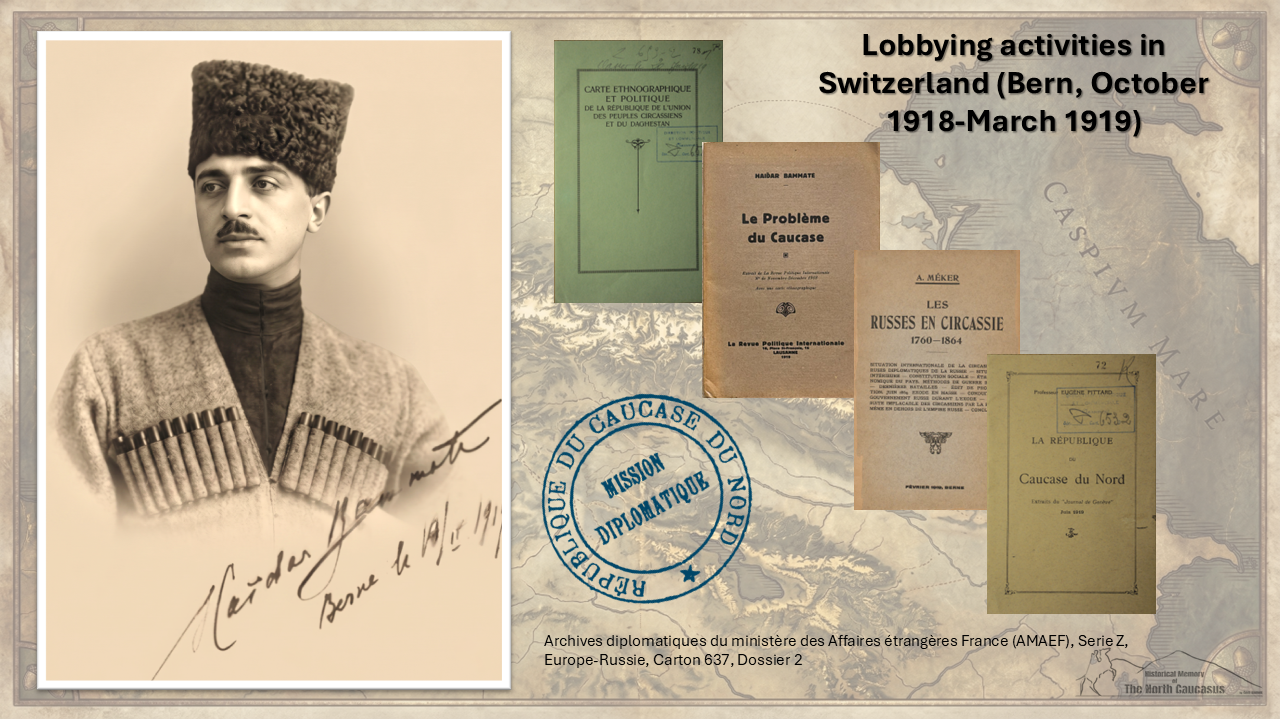
After overcoming immense difficulties to secure the necessary permits to attend the Versailles Peace Negotiations, Bammat arrived in Paris in March 1919. During his stay, he engaged in intensive diplomatic contacts with high-ranking officials of the Great Powers, including US President Woodrow Wilson.
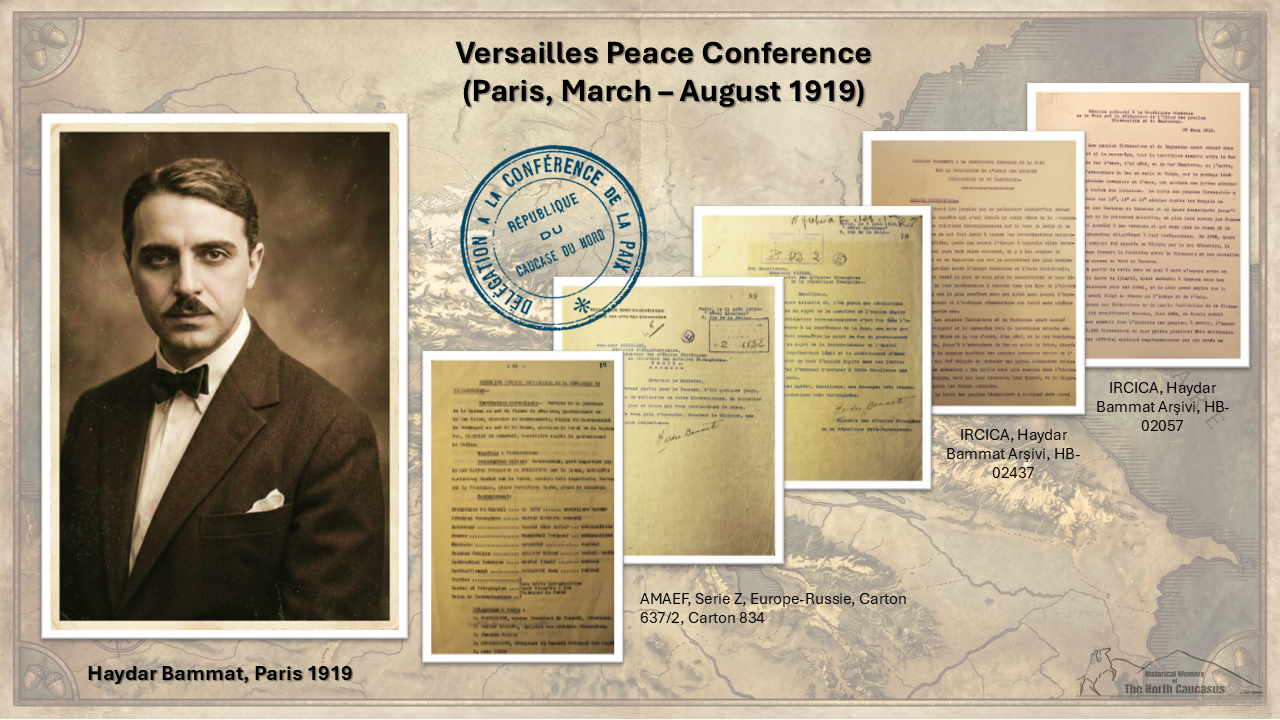
While the Paris Peace talks—which failed to provide a remedy for anyone's grievances—were still ongoing, the Northern Caucasus was invaded by the Monarchist White Russian Armies. Upon this, Bammat returned to Tiflis and joined the exiled Union Parliament and Defense Council established there. Following the expulsion of the White Russian Armies from the Northern Caucasus in May 1920, Bammat was elected Speaker of the Parliament at the assembly's first meeting. Shortly thereafter, however, the Bolshevik Red Russian Armies invaded the Northern Caucasus, forcing him to continue his resistance activities in Tiflis without ever being able to assume his parliamentary post.
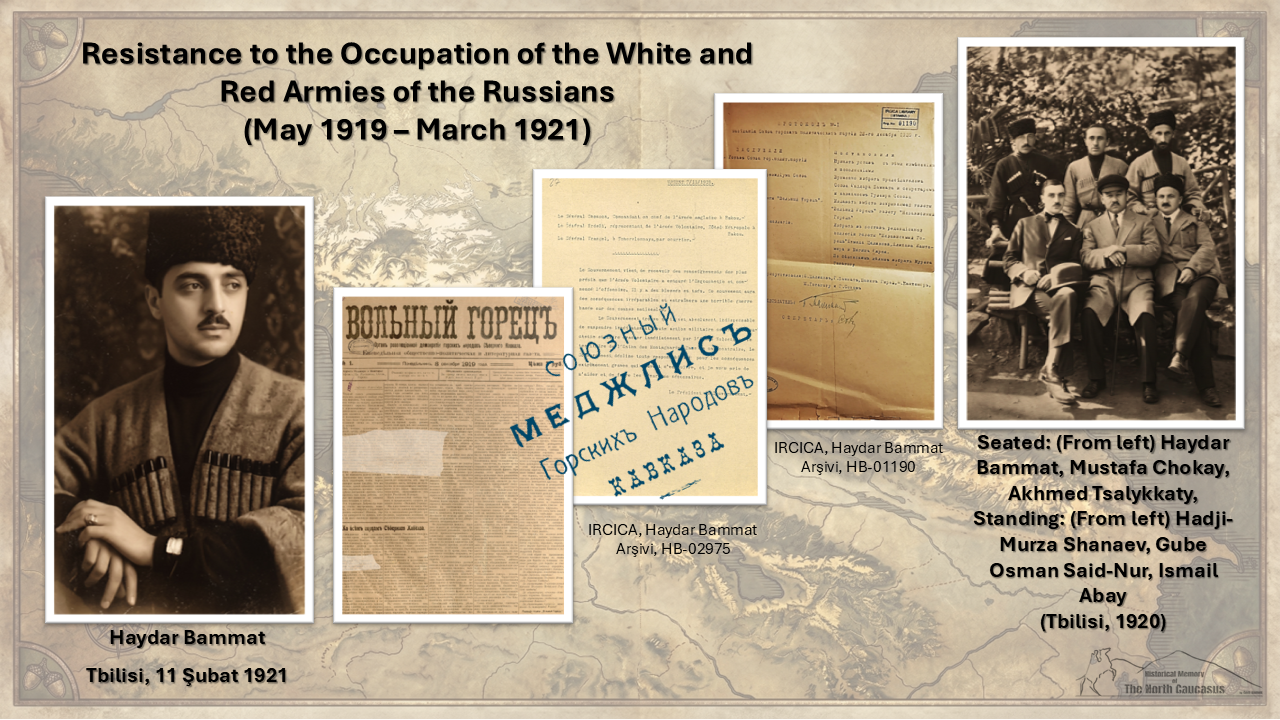
After the Red Army occupied Georgia in February 1921, Bammat continued the resistance for a while longer before ultimately seeking asylum in Turkey with his comrades in April 1921. Working with his peers, he initiated organizational and resistance efforts against the Bolshevik occupation in the Caucasus. It was also during this period that he married his wife, Zeynep Tchermoeva. However, as the conditions in Turkey were not conducive to anti-Bolshevik activities, he was forced to leave Turkey in October 1921.
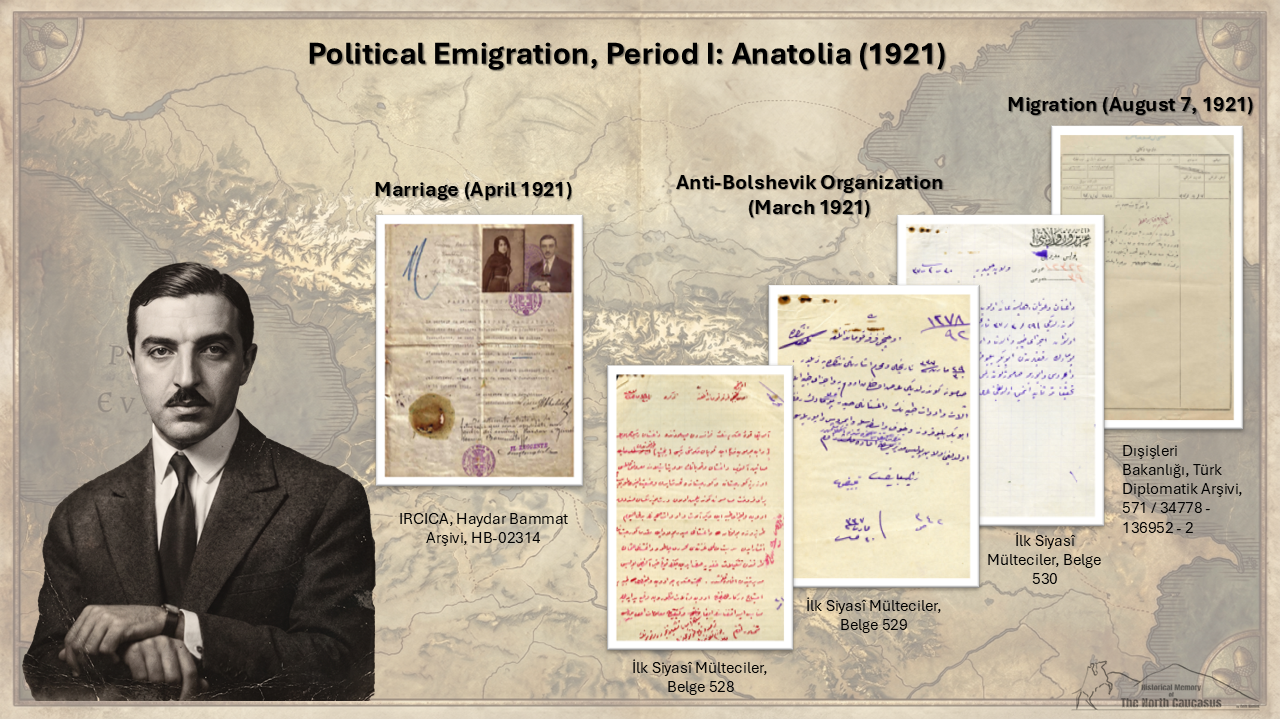
Settling in Paris, the nexus of anti-Soviet activities, Bammat sought to capitalize on opportunities for collaboration with the delegates of other peoples living under the Russian yoke, particularly Azerbaijani, Georgian, and Armenian politicians. In coordination with his comrades remaining in Turkey, he founded the "Northern Caucasus Republic Union" party.
While attempting to operationalize the Caucasian Army of Independence and similar initiatives within the framework of the "Council for the Union of Caucasian Republics" in Paris, the Armenian delegates in the Council continuously sabotaged the ideal of a "Great Caucasian Confederation" due to their border disputes with Turkey. In response, Bammat exerted great effort to establish the "Caucasian Independence Committee" exclusively with Azerbaijani and Georgian politicians, explicitly excluding the Armenians.
As one of the pioneering figures in the founding of the Caucasian branch of the Promethean movement, Bammat eventually witnessed the movement fall under Polish hegemony. Consequently, he established the "Kavkaz" (Caucasus) group alongside Georgian and Azerbaijani politicians from the Nationalist-Democratic faction. Under the auspices of this group, he published a journal bearing the group's name (Kavkaz) in Russian, French, English, and German. Compilations of the journal were also published in Turkish, Georgian, and Armenian.
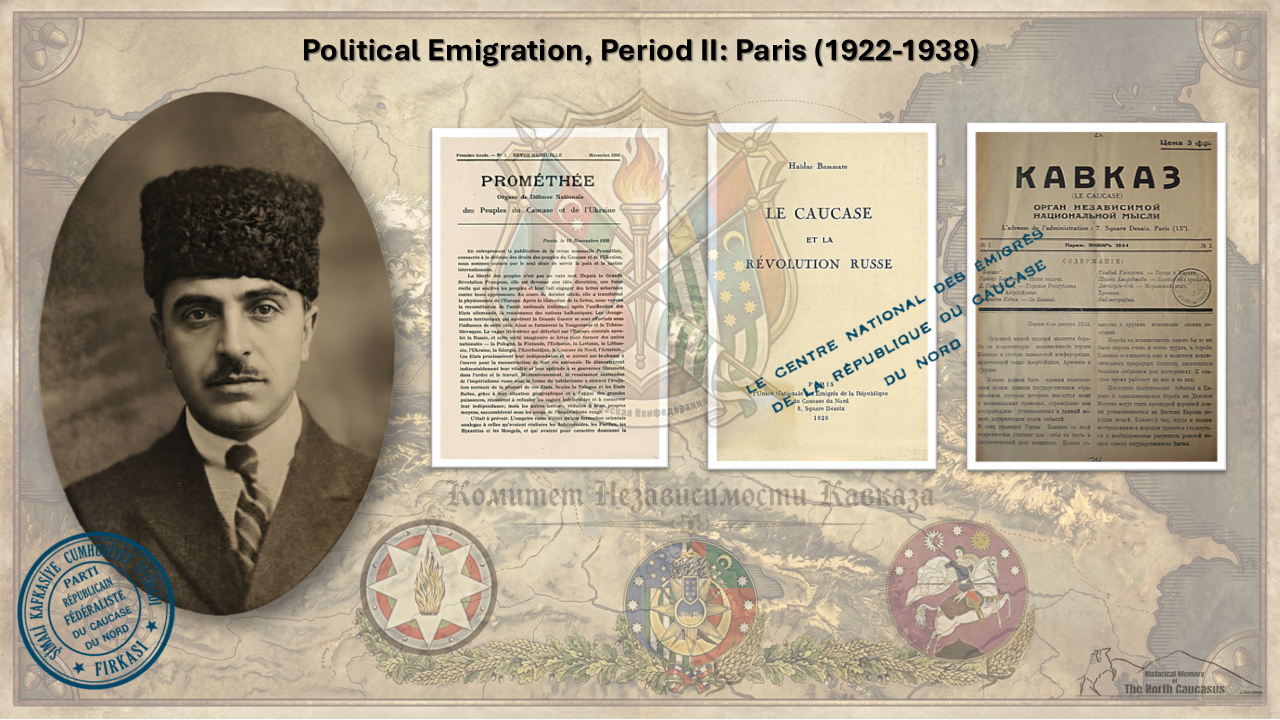
Engaging in intensive contacts during this period with both the exiled leaders of allied peoples and the politicians of Western powers, Bammat spearheaded highly significant activities aimed at realizing the ideal of a "Great Caucasian Confederation." However, these endeavors were persistently sabotaged by Polish politicians, who sought to maintain control over the anti-Soviet movement in the Caucasus by drawing Menshevik Georgian and Musavatist Azerbaijani groups into their own ranks.
By also recruiting the military remnants of the former Tsarist Army who had been forced to flee the Northern Caucasus following the Bolshevik occupation, the Poles fractured the Northern Caucasian Political Emigration Movement. In doing so, they dealt a massive blow not only to Bammat's activities but inadvertently to the entire anti-Soviet movement as well. The correspondence contained within this archive is of paramount importance as it sheds light on these struggles and disputes, promising to introduce a novel academic perspective.
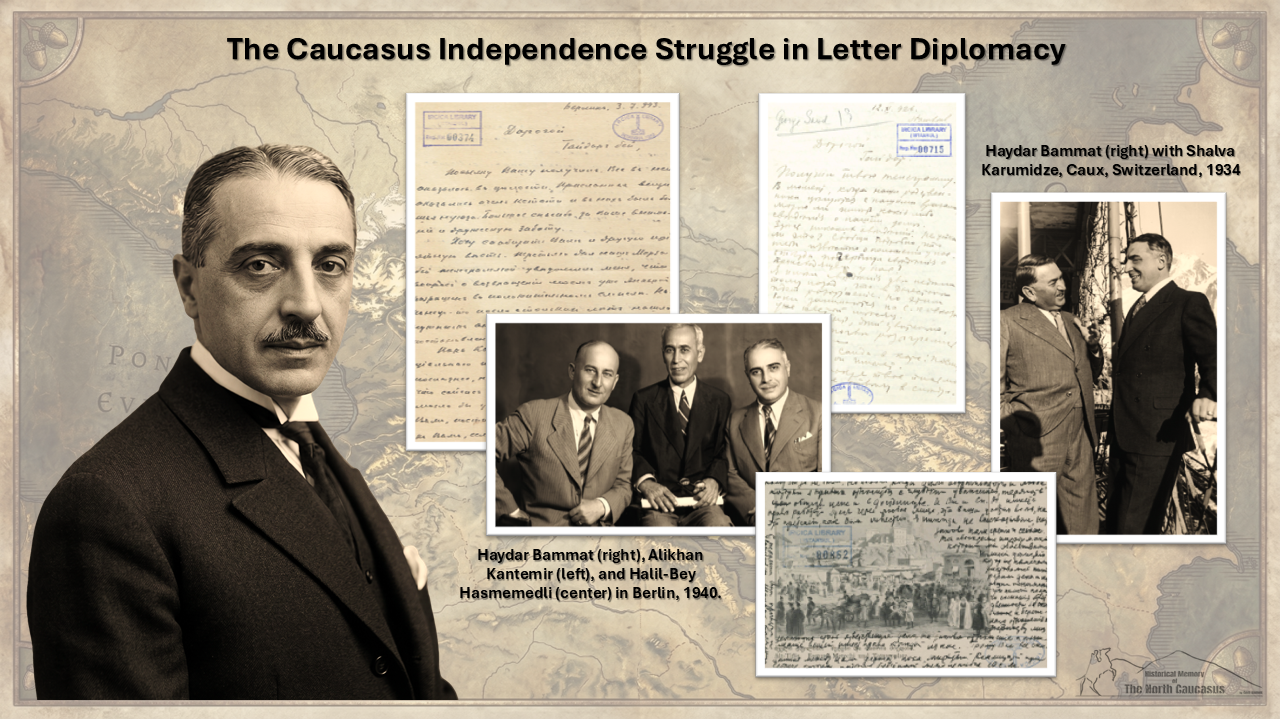
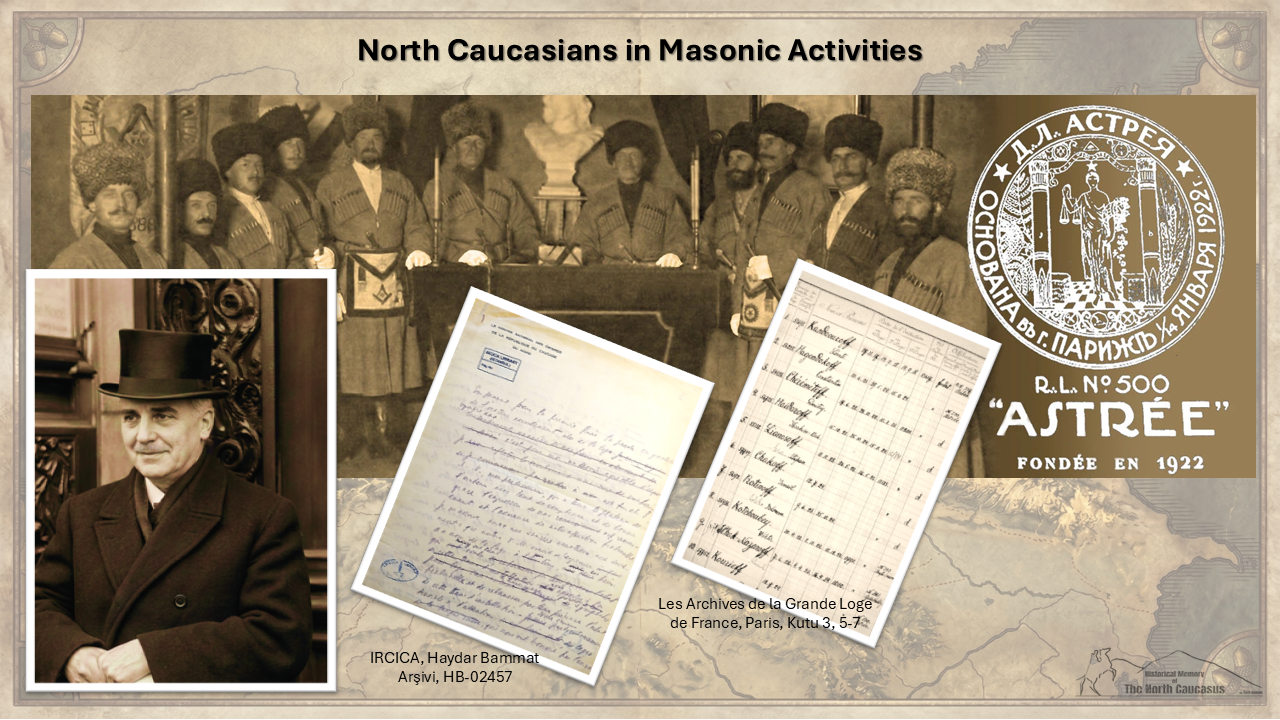
Outside of the groups manipulated by the Poles, Northern Caucasian politicians—bereft of political and economic support—experimented with numerous distinct methods in their search for alliances. One such method was affiliating with the Grand Orient de France Masonic Lodge. Because several prominent Northern Caucasian politicians had joined Freemasonry for this purpose since 1923, Haydar Bammat also became affiliated in 1925—initially with "Astrea" (established alongside Russian refugees), then with the "Golden Fleece" (primarily comprising Caucasian refugees), and finally with the "Prometheus" lodge (founded exclusively by Caucasian refugees).
The text of the speech delivered by Haydar Bammat as Lodge Orator at the Prometheus Lodge on January 19, 1927, is preserved in the archive inventory. Nevertheless, as the desired outcomes from these relations failed to materialize, the lodge was closed in 1930, and the Northern Caucasian Freemasons departed. In this regard, the marginal note appended by the Grand Master of the Grand Orient of France to the lodge's closure file is rather illuminating:
"The Northern Caucasian members were unable to transcend their nationalistic sentiments to cultivate a shared political and philosophical ethos within the lodge. Constantly preoccupied with drafting reports on the situation in the Caucasus, these individuals perceived Freemasonry merely as a conduit for the independence of the Northern Caucasus. Consequently, they harbored no affection for Freemasonry, and Freemasonry harbored no affection for them."
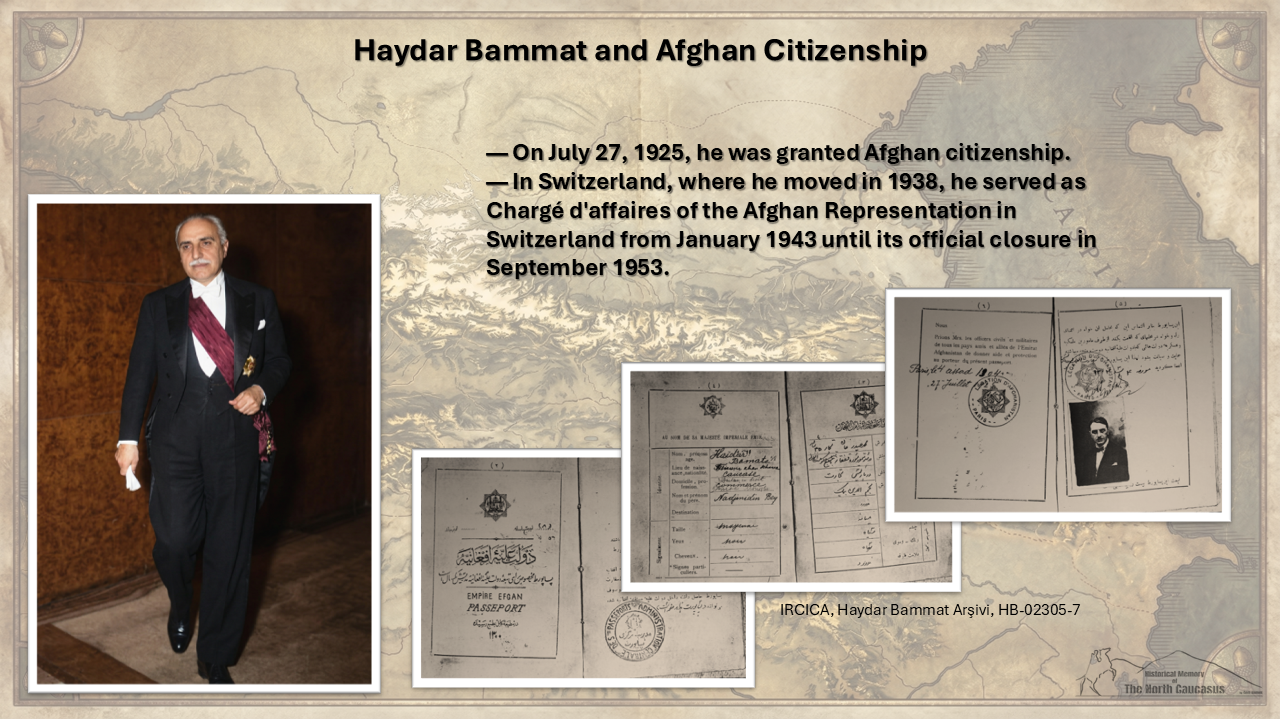
During his quest for international backing for the Northern Caucasian independence cause, Haydar Bammat earned the profound admiration of Afghan King Amanullah Khan, whom he met during those days. To shed his stateless status and facilitate easier travel, Bammat unhesitatingly accepted the King's offer of citizenship and acquired an Afghan passport in 1925.
In 1938, facing the escalating threat of war in Europe, Haydar Bammat relocated to Lausanne, Switzerland, to ensure his children's safety and provide them with a superior education. The Afghan Government, deciding to open a diplomatic mission in Switzerland—whose diplomatic significance was augmenting due to its neutral status—entrusted the position of Chargé d'Affaires at the newly opened legation in Bern to Haydar Bammat. He served as Afghanistan's diplomatic representative in Switzerland from January 1943 until the mission's official closure in September 1953.
Haydar Bammat finally found the international ally he had been searching for in mid-1935. The Japanese Empire, which was in fierce competition with the Soviets across most of Central Asia—particularly in Manchuria—did not turn its back on an ally possessing the resolve to confront the Soviets. The personal friendship Bammat forged with the Japanese intelligence officer Shigeki Usui also paved the way for the rapid consolidation of this alliance.
The approaching footsteps of World War II appeared to be another opportunity presenting itself to Bammat, who had accelerated his publishing activities, buoyed by the gains of this alliance. However, when Germany's war plans diverged from the strategies Bammat had formulated with his Japanese allies, these hopes were dashed. Dissatisfied with the alliance conditions dictated by Nazi Germany, Bammat relinquished responsibility to his loyal friend Alikhan Kantemir and entered a period of dormancy in his political career.
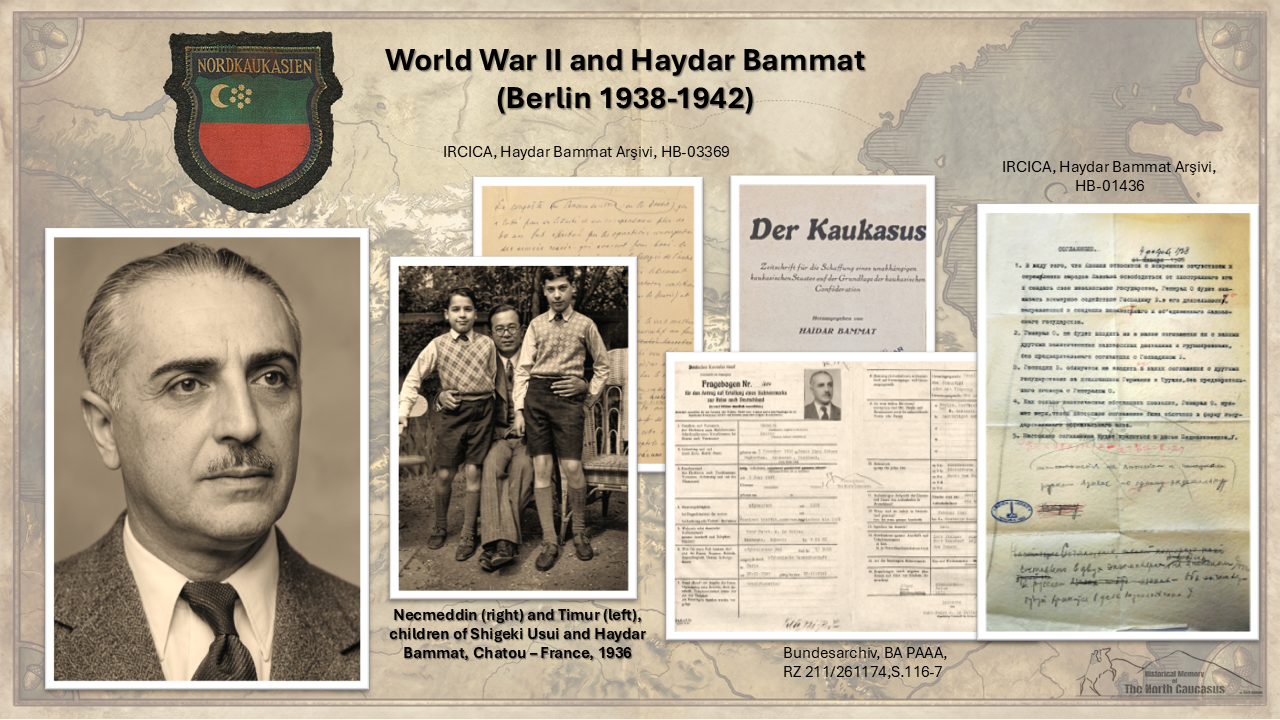
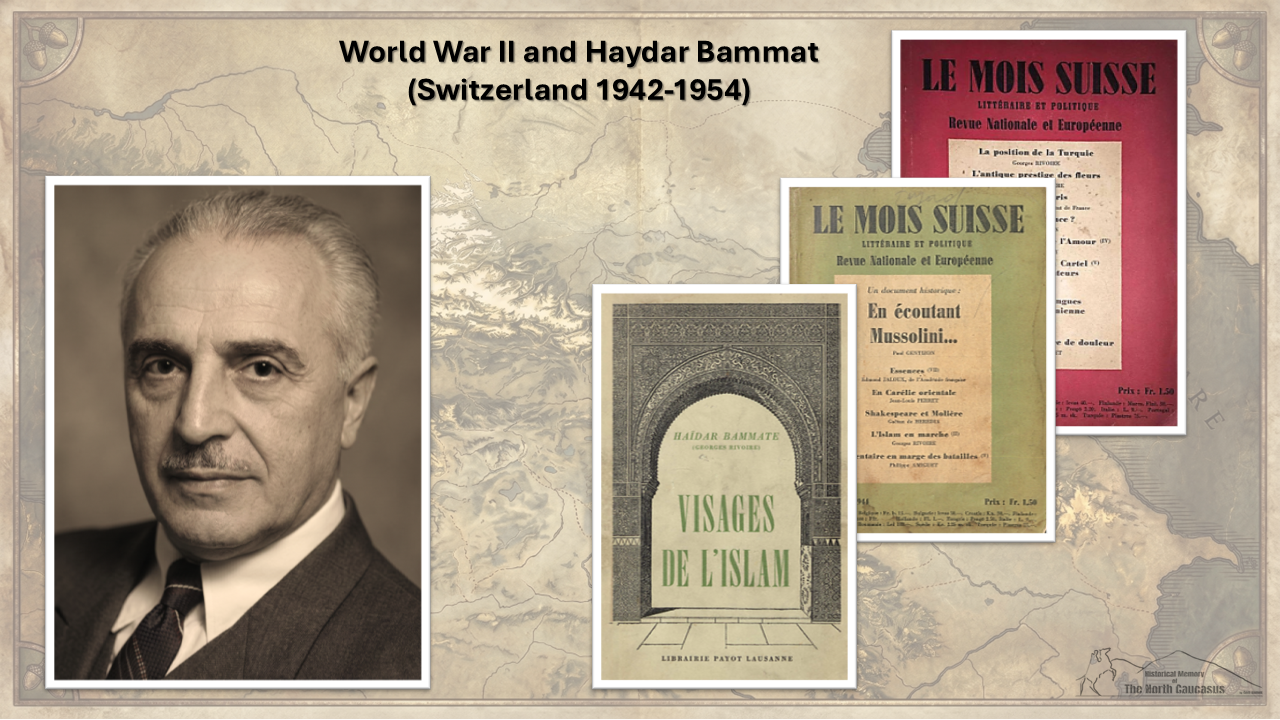
Leaving the task of engaging with the Germans during World War II to his comrade Alikhan Kantemir, Bammat anxiously monitored developments from his home in Lausanne. During this era, through articles penned under the pseudonym Georges Rivoire and shuttle diplomacy conducted alongside Retired General Ali Sait Akbaytugan, he lobbied for Turkey's entry into the war on Germany's side, making significant references at every opportunity to the decisive role of the Caucasus in the global conflict. Documents detailing the activities and contacts of Bammat, Akbaytugan, and certain Turkish political figures of the period constitute another striking component of this archive.
When the war culminated in the defeat of Germany—and consequently of the Caucasians fighting alongside German ranks against the Stalinist regime—Bammat petitioned the United Nations and the Red Cross, fighting to prevent captured Caucasians from being forcibly repatriated to the Soviet Union. Expending vast efforts to improve the living conditions of Caucasians in POW camps and to provide financial aid to those in need, Bammat distanced himself from politics in the post-war years, fully handing over the banner of struggle to his comrade Alikhan Kantemir.
After the war, the fact that even his political rivals, such as Mamed Amin Rasulzade, shifted to a stance acknowledging his prescient ideology served as definitive proof of how justified and accurate Bammat's struggle had been.
Devoting himself to Islamic philosophy due to the increasingly intolerable, polluted climate of politics and the rapidly proliferating anti-Islamic movements everywhere, Bammat rendered great service in shaping the intellectual trajectories of numerous Western thinkers who converted to Islam. Ultimately, you will also find in this archive the preliminary articles and the evolutionary phases of these works, which earned a rightful and exceptional place in Islamic literature with the book titled Visages de l'Islam (The Face of Islam).
Due to his deteriorating heart condition, which had been worsening since the 1930s, Haydar Bammat completely withdrew into seclusion in December 1954 and lived the remainder of his life in Paris. Passing away into eternity at the age of 75 on March 31, 1965, Haydar Bammat was interred in the Muslim cemetery in the Parisian suburb of Bobigny.
The unearthing of the private archive of Haydar Bammat—whose ideas continue to constitute the cornerstones of the Caucasian Struggle for Freedom even today—will undoubtedly herald a new era in academic studies on Caucasian history. This archive, which will enable a profound understanding of his life, ideology, and struggle, will also endow the still-unprocessed sources waiting in various international archives with far greater meaning. Consequently, it is highly probable that a multitude of researchers and academics in the international arena will scrutinize this archive in the upcoming period, yielding distinguished scholarly monographs.
The archive is exceptionally significant not only for its importance to the peoples of the Northern Caucasus but also for a correct understanding of the Transcaucasian peoples and the ideology of the Great Caucasian Confederation. Through this very archive, the history of the rivalry between Caucasian "Socialist" elements aligned with the Polish-originated Promethean Front—which manipulated the anti-Soviet movements of the era—and the Northern Caucasian, Azerbaijani, and Georgian Nationalist-Democratic movements unified under Haydar Bammat's leadership will be entirely rewritten.
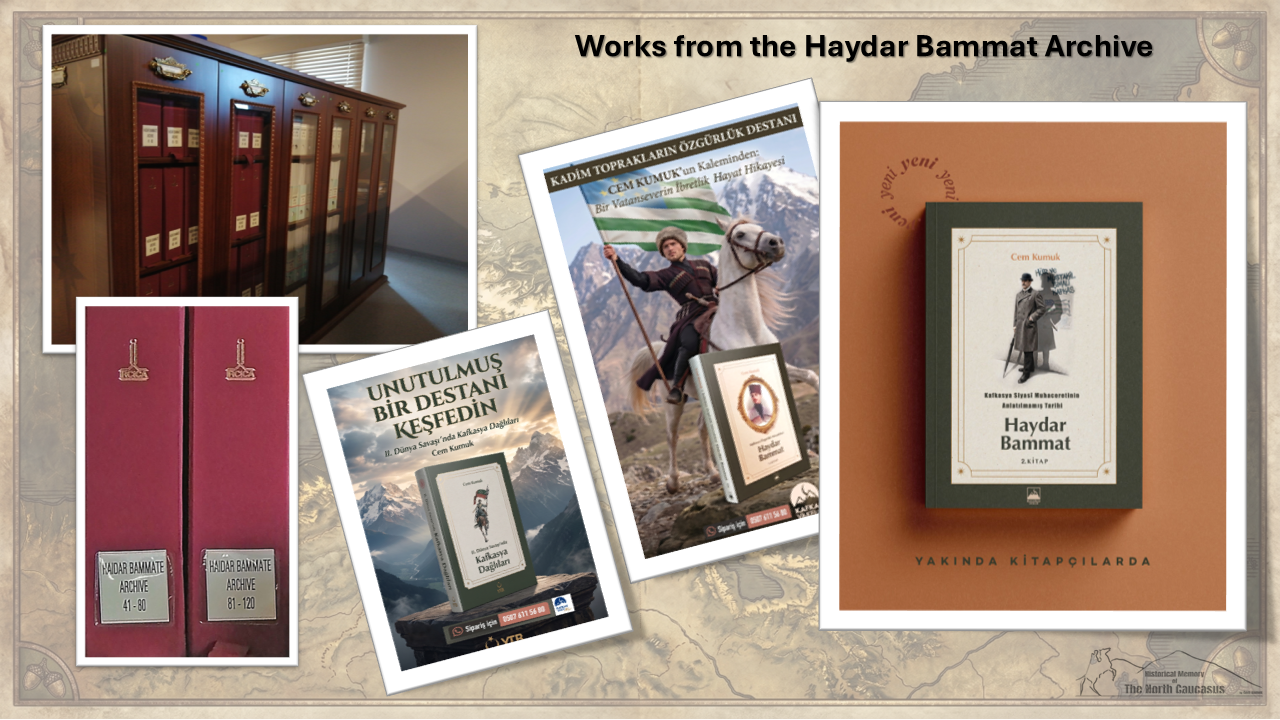
I consider it my duty to express my profound gratitude and appreciation to those who enabled us to experience this joy, who removed the obstacles before us, and who provided me with every facility during my work—most notably the Director General of IRCICA, Prof. Dr. Mahmud Erol Kılıç, as well as the staff of the archives department.
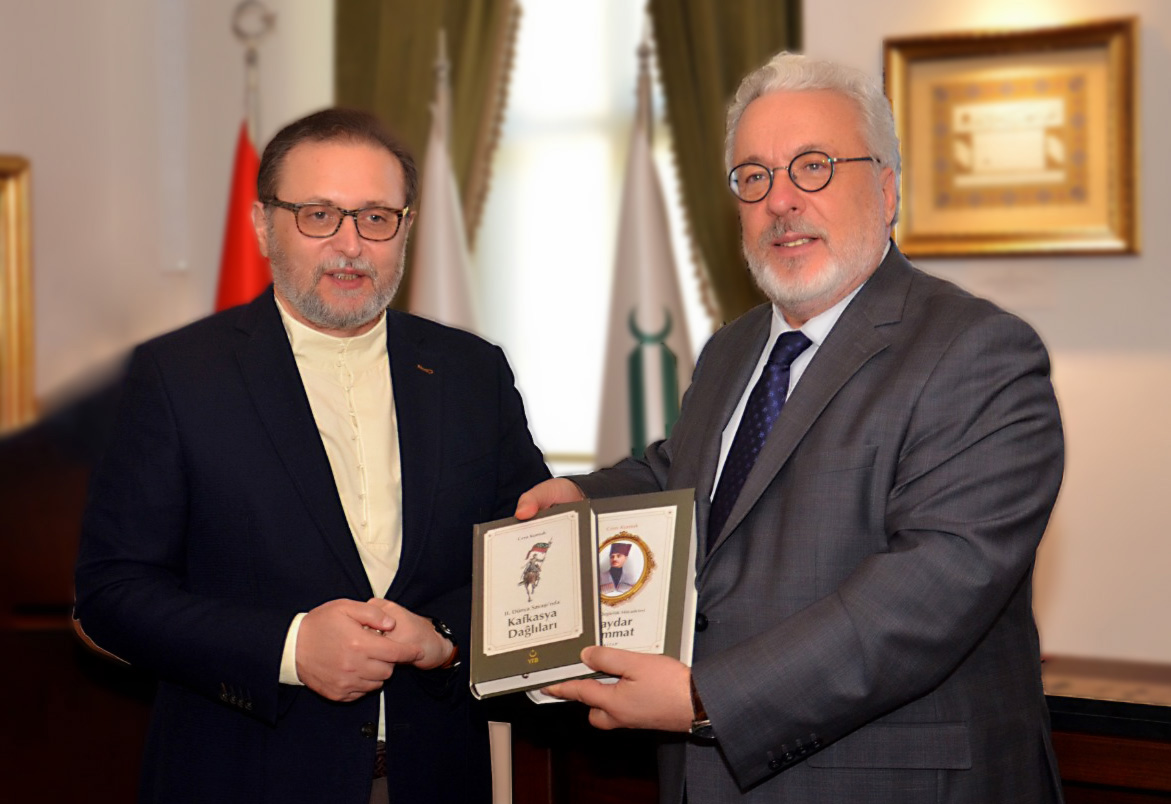

Istanbul, 20 June 2026