
 Türkçe
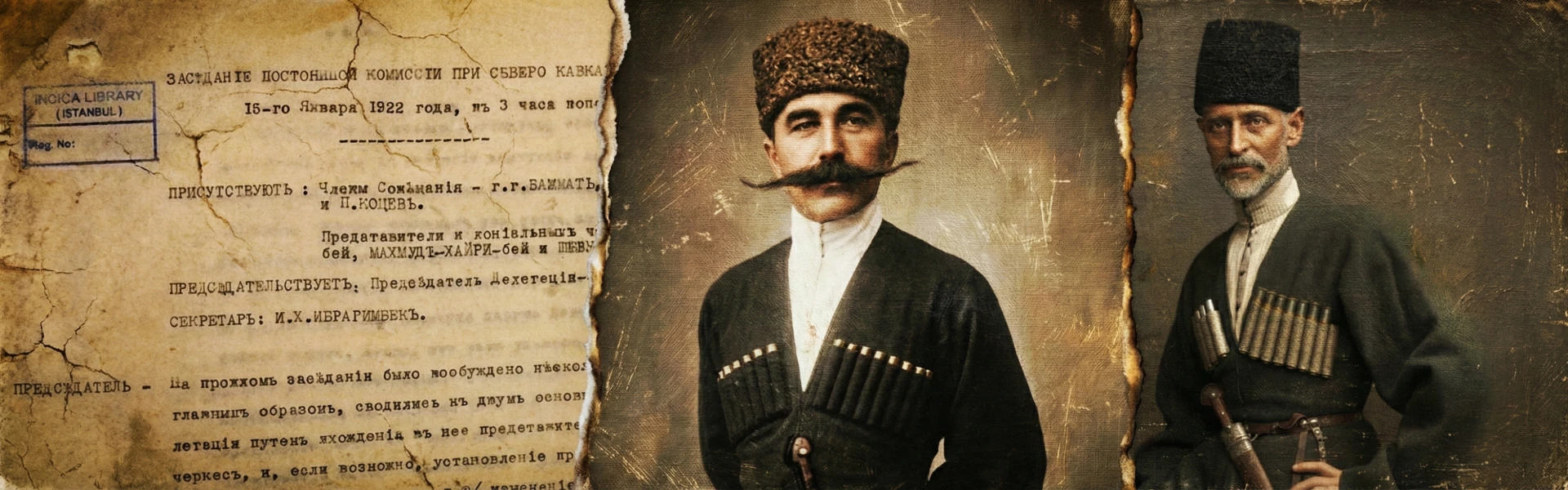
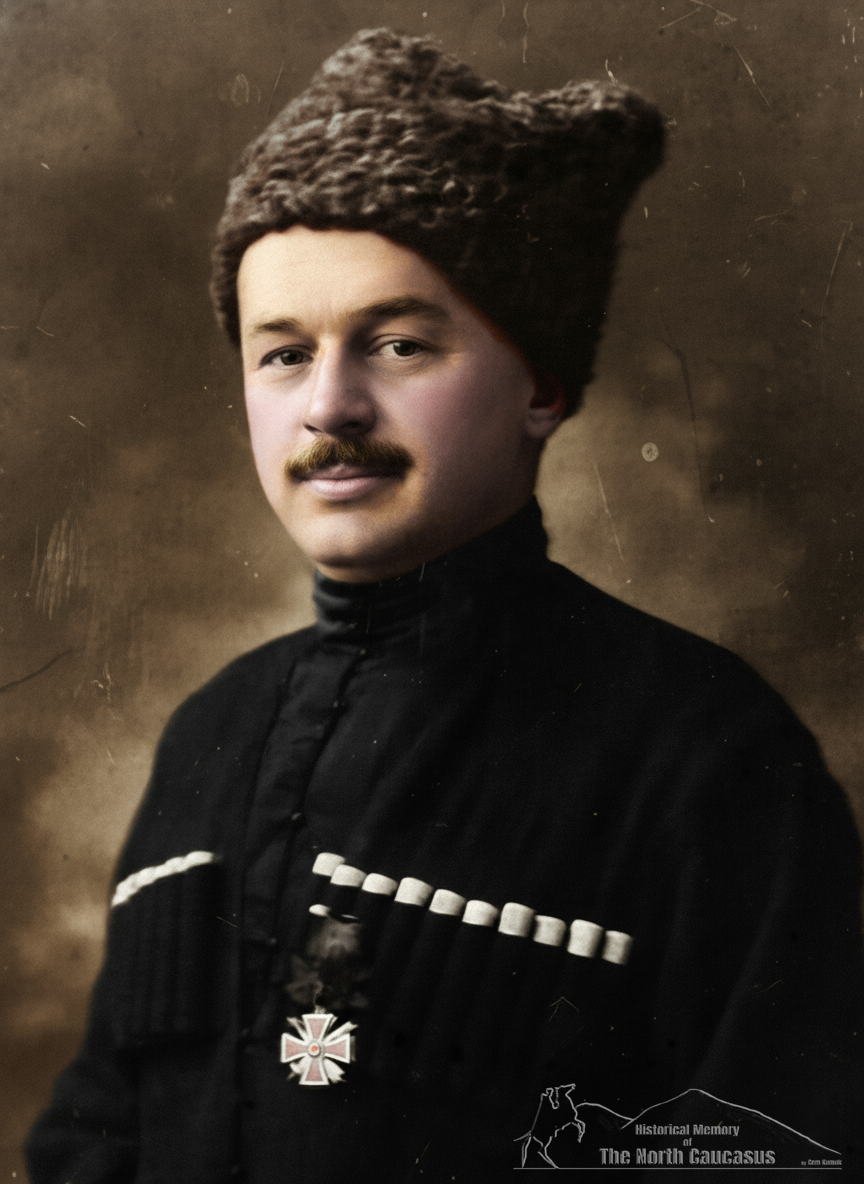
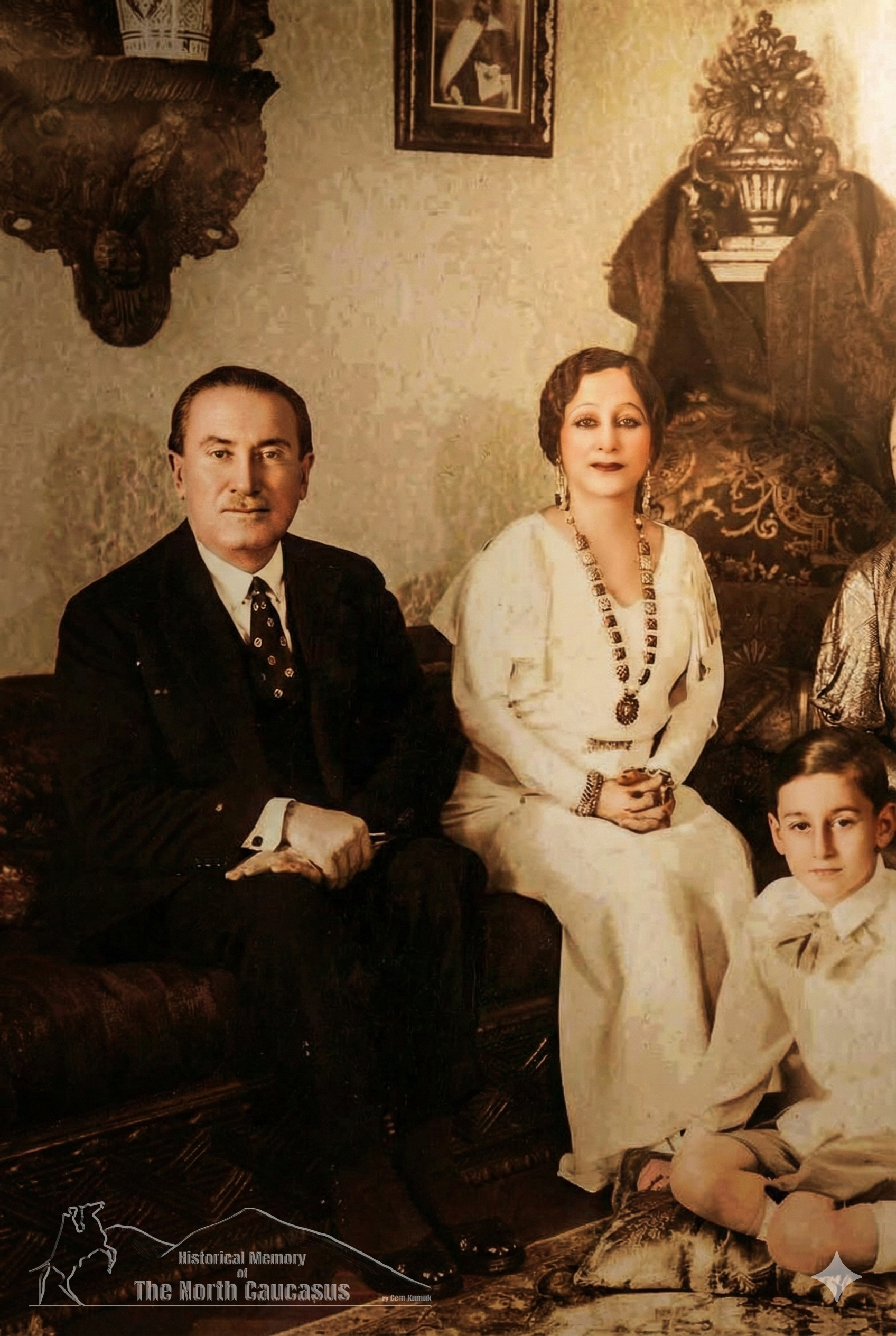
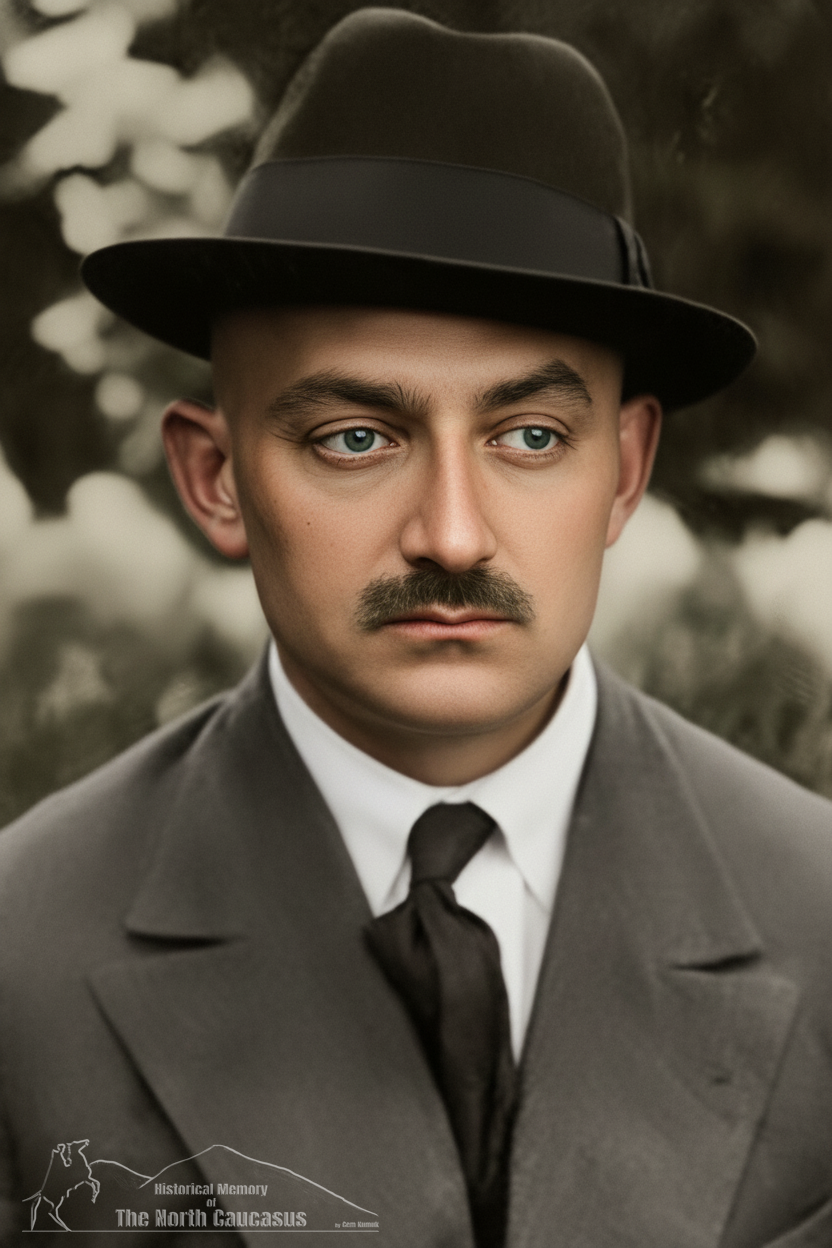
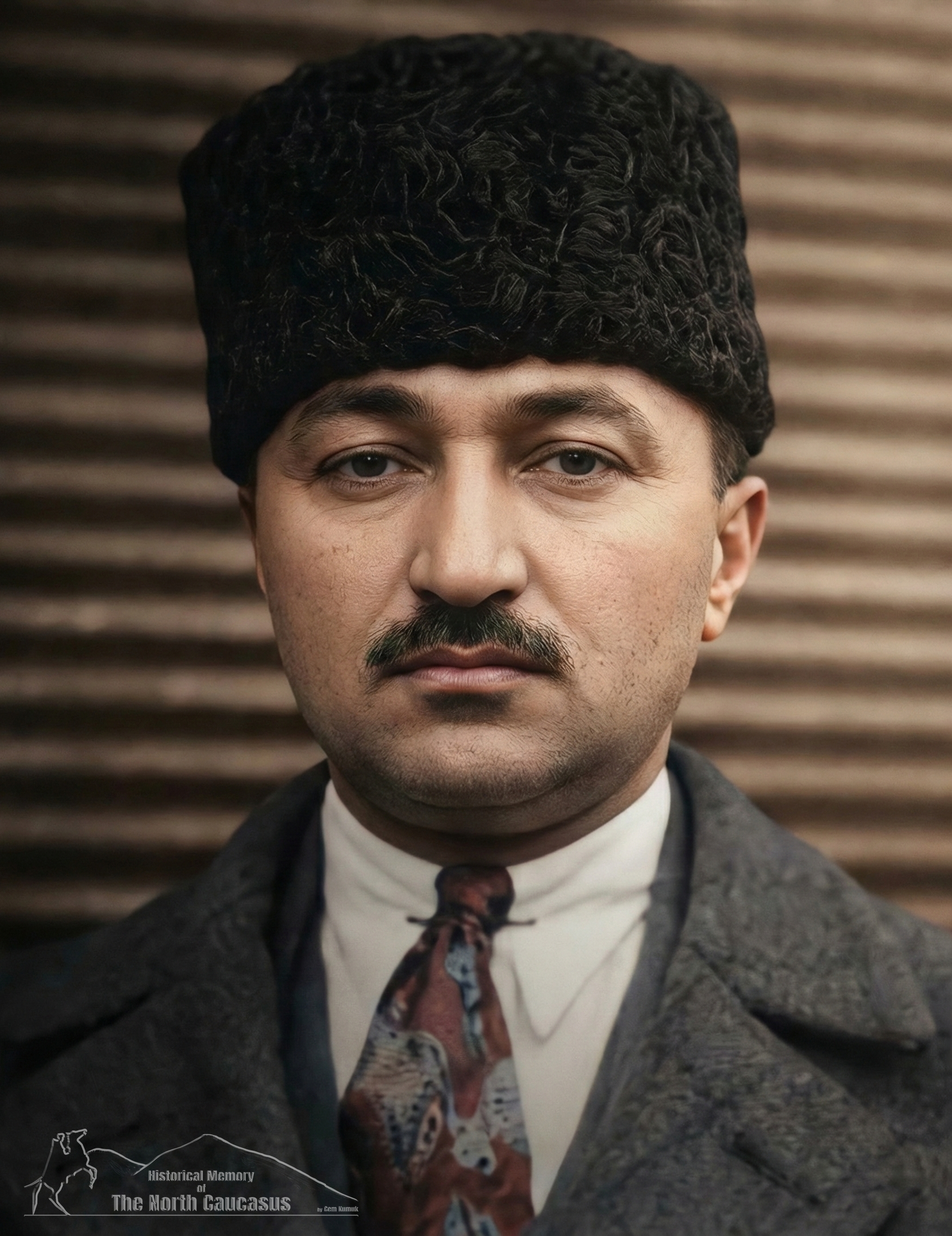
This week serves as a solemn commemoration of the death anniversaries of two towering figures in North Caucasian history. While historical records offer no evidence that the paths of Shkhaply Hussein Tosun Bey (who passed away in Istanbul on January 7, 1930) and Pshemakho Kotse (who died on January 8, 1962) intersected in Istanbul during the latter half of the 1920s—likely due to the restrictive political climate of the era—their trajectories did converge significantly in Paris in 1922. It was there, within the diplomatic mission of the Republic of the North Caucasus, that they collaborated against the Bolshevik occupation of the Caucasus. In honoring these exceptional patriots, we revisit that period, reconstructing their shared endeavors through the minutes of the meetings they attended.
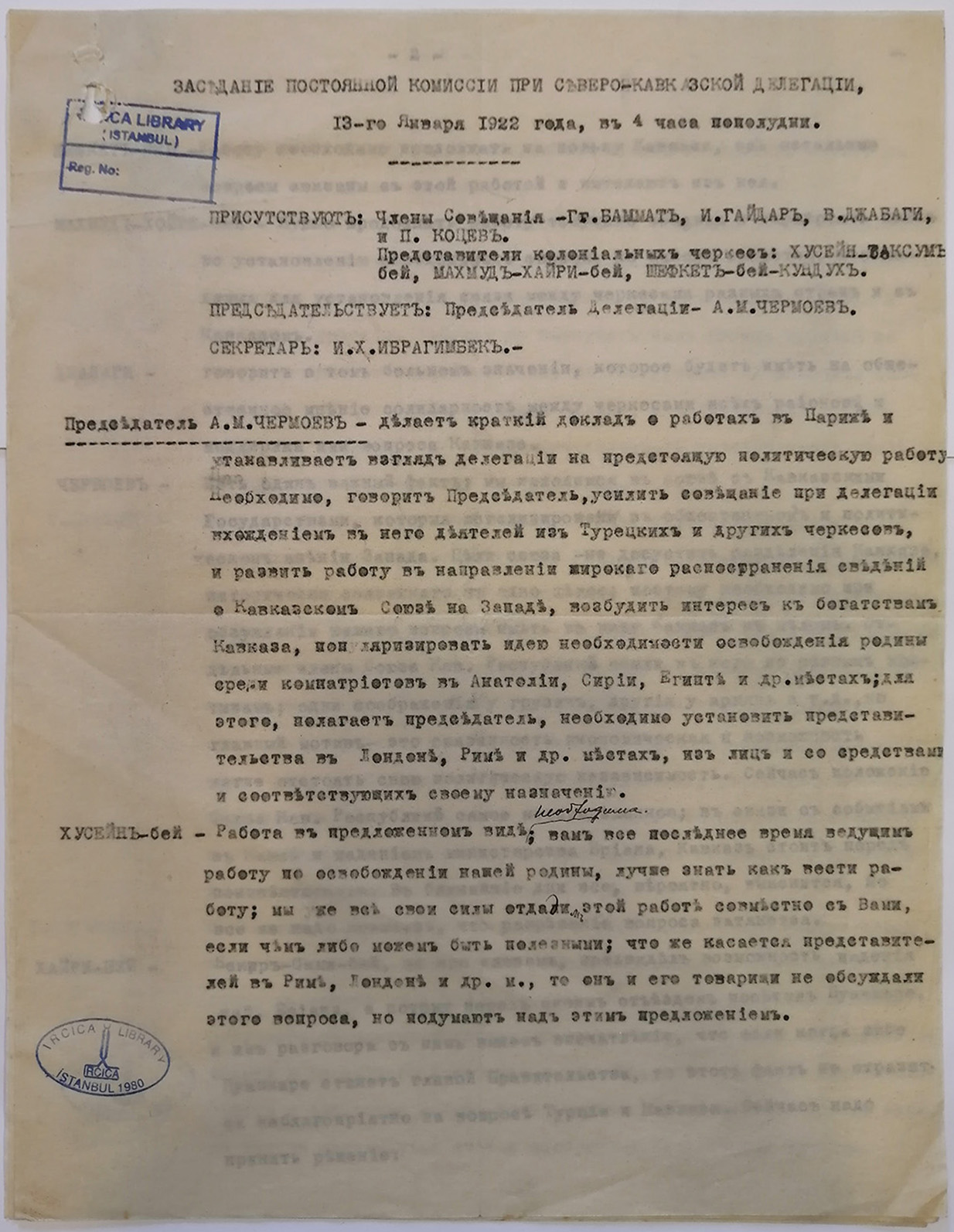
The Permanent Commission, established within the diplomatic delegation of the Republic of the North Caucasus—whose influence in Paris had been fortified by the arrival of Vassan Girey Jabagi, Haidar Bammat, and Pshemakho Kotse—convened its inaugural meeting on January 13, 1922.
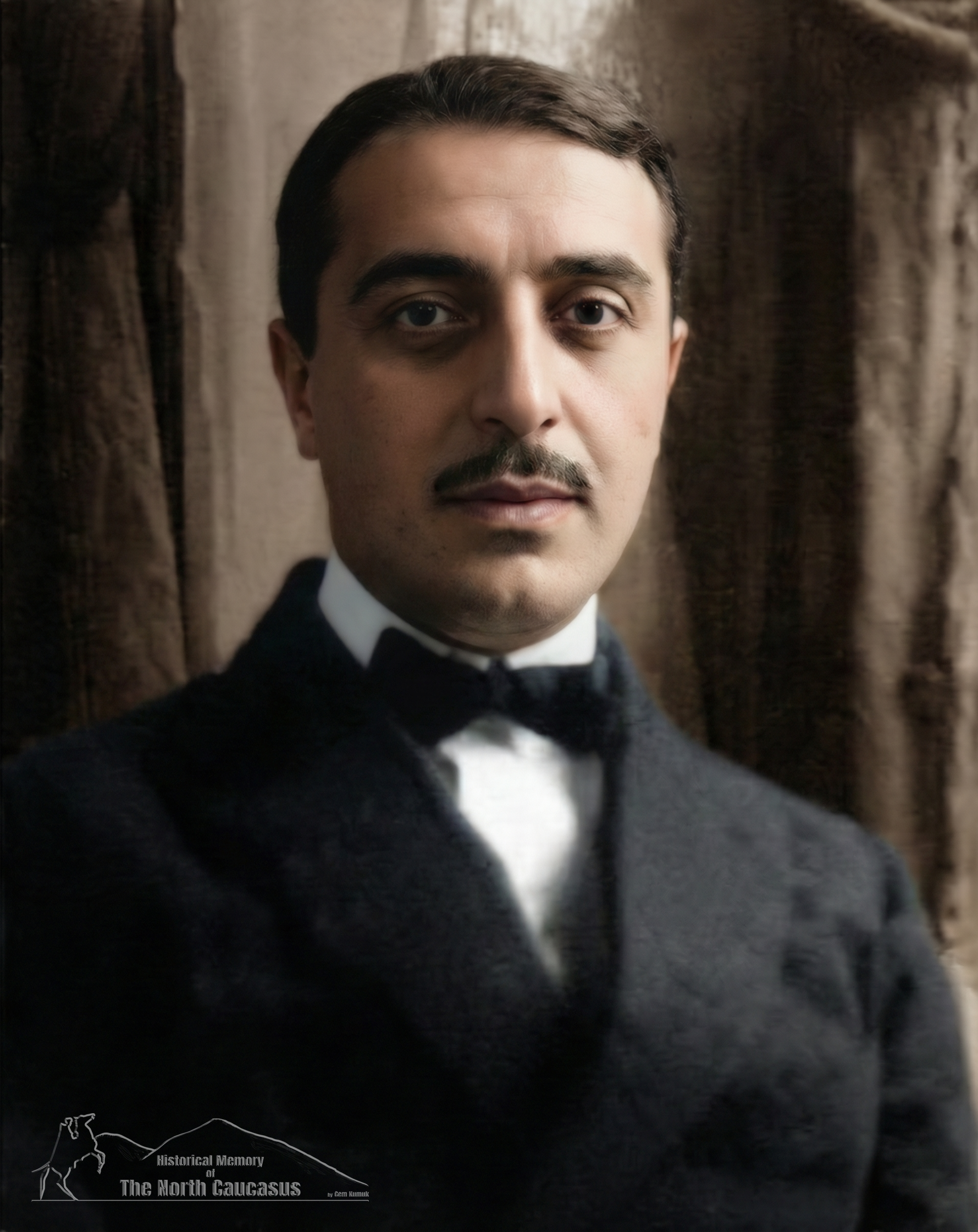
The assembly included Chairman Abdul Medjid Chermoy, Secretary Ibrahim-Han Ibrahimbek, and commission members Haidar Bammat, Ibrahim Haidar, Vassan Girey Jabagi, and Pshemakho Kotse. Distinguished representatives of the Circassian diaspora also attended: Shkhaply Hussein Tosun Bey and Shevket Kundukh (son of Bekir Sami Bey) represented the Circassian minority in Turkey, while Mahmud Hayri Bey (husband of Princess Kadriye, daughter of Sultan Hussein Kamel of Egypt) represented the Egyptian Circassian community.
Strategic Objectives and Diplomatic Outreach
Chairman Chermoy presented a concise report on their Parisian activities and outlined the delegation's prospective political strategy. He argued for the necessity of strengthening the council by integrating representatives from the Turkish and broader Circassian diaspora. Chermoy emphasized the imperative to widely propagate the concept of the Caucasian Union throughout the West, cultivate interest in the region's resources, and instill the necessity of national liberation among compatriots in Anatolia, Syria, and Egypt. Furthermore, he advocated for the establishment of well-funded diplomatic representations in key capitals such as London and Rome.
Hussein Tosun Bey concurred with the proposed methodology, deferring to the delegation's experience:
You, who have pioneered the vanguard for our homeland's liberation, possess superior insight into how this enterprise should be conducted. We, too, have dedicated our utmost strength to this cause alongside you, should we prove of benefit.He noted, however, that he had yet to consult his associates regarding the establishment of representatives in Rome and London, promising to take the proposal under advisement. Shevket Kundukh reinforced that activities benefiting the Caucasus must persist, asserting that all peripheral issues were contingent upon these core efforts.
Mahmud Hayri Bey argued for the maintenance of existing initiatives and the formulation of a plan to secure necessary connections, stressing the need to determine the precise means of linking Circassians across different nations with the Caucasus. Vassan Girey Jabagi elucidated the critical importance of global Circassian solidarity and its capacity to sway public opinion in favor of the Caucasian cause.
Abdul Medjid Chermoy underscored the strategic value of their alliance with the Caucasian States, which had already gained legitimacy in Western political circles:
The objective of the Union is to prevent the partition of the Caucasus, historically a unified entity. Therefore, discourse must always reflect that the Caucasus is an indivisible whole. While individual members of the Union of Caucasian Republics joined for varying rationales—Georgians for specific reasons, Armenians for others—the primary impetus remains economic connectivity and the collective defense of political independence. Currently, the status of the Union is precarious; following the events in Cannes and the fall of the Briand Government, the region faces ambiguity. While clarity may emerge soon, we must accept that the resolution will be a protracted process.Tactical Shifts and Economic Focus
Following Chermoy’s remarks, the minutes reflect handwritten notations by Haidar Bammat:
— The change in French governance has likely not altered the fundamental nature of their issue.
— Relations with neighbors must be sustained. Future policy will determine the necessity of a strong Georgia or a free Armenia; currently, it is imprudent to defend these nations before Turkey.
— Priorities must shift toward establishing relations with Western industrial magnates to engage them in Caucasian resources and developing connections with neighboring Caucasian Republics.
Vassan Girey Jabagi advocated for representations in Rome, Ankara, and potentially London, provided the opportunity arose. However, he candidly disclosed that despite Chermoy's immense efforts, the work could not be sustained at its current capacity. Jabagi noted that financial destitution would soon force most employees to disperse—citing his own imminent departure to relatives in Poland—and stressed the urgent need to secure financial resources to replace departing staff and sustain operations.
Chermoy responded by reiterating the critical importance of a robust center in Paris, for which Jabagi’s assistance was vital. He continued:
Press propaganda is essential, and I believe achievable. I have engaged with leading representatives of press organs and a telegraph agency; they indicated that their platforms could be utilized to propagate our ideas, provided the articles are approved by the Caucasian Union. I concur that representations in Rome and London would be advantageous.Regarding finance, Chermoy lamented the persistent lack of resources to retain staff, emphasizing the need to secure funding that would allow individuals to dedicate their time exclusively to the cause.
The Diaspora's Role
Mahmud Hayri Bey highlighted that this issue was a frequent topic of contemplation in Turkey, citing the Jewish community as an exemplar: had they lacked financial backing and propaganda, they would not possess Palestine. He remarked that while he knew wealthy Egyptian Circassians and prominent statesmen, they had not yet fully appreciated the gravity of the Caucasian issue. He argued that sustaining financial viability for a few months to conduct propaganda would eventually attract mass sympathy and funding. He proudly noted that the finest institutions in Egypt—schools, mosques, and architecture—were created by Circassian hands, and their attention must now be redirected toward the Caucasus.
Ibrahim-Bek Haidar expressed profound gratitude for the solidarity of their Turkish and Egyptian compatriots, noting that their active participation in Paris would significantly bolster their joint success.
Mahmud Hayri Bey accepted this duty in principle as an obligation to their ancestral homeland. However, he stipulated that practical execution required the counsel of Bekir Sami Bey. He affirmed his readiness to sacrifice everything for the joint effort, provided it did not endanger compatriots living in Turkey.
Shkhaply Hussein Tosun Bey clarified that they had not anticipated an immediate invitation to permanently join the Paris staff. They had envisaged temporary support and had identified potential candidates, but insisted the matter required collective discussion to reach a prudent decision.
Chermoy concluded the session by suggesting a meeting with representatives of the Union of Caucasian Republics to demonstrate that Turkish Circassians were not estranged from the common cause and to introduce them to influential French political circles.
The Second Session: January 15, 1922
The delegation reconvened two days later. Abdul Medjid Chermoy recapitulated the agenda, distilling the previous discussions into two primary objectives:
— Strengthening the delegation by integrating Diaspora Circassians and establishing representations in key cities (Rome, London).
— Securing financial resources.
He invited the guests to deliberate on these matters and share their decisions.
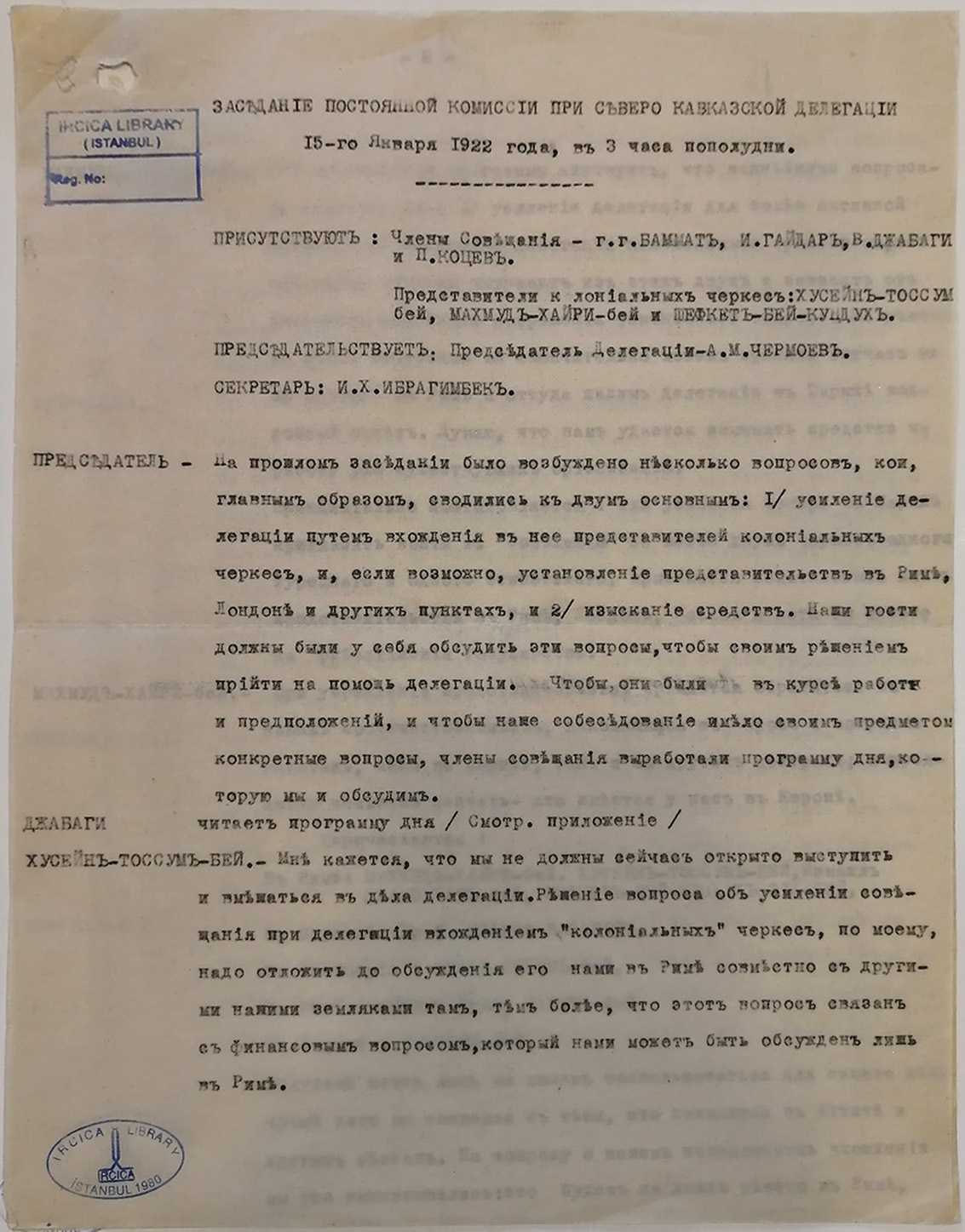
Shkhaply Hussein Tosun Bey opined that they should refrain from overt intervention in the delegation's affairs at that juncture. He suggested postponing the decision on strengthening the commission until they could consult with compatriots in Rome, particularly since the organizational structure was inextricably linked to the financial question.
Mahmud Hayri Bey concurred, noting that the delegation’s efficacy depended entirely on overcoming the fiscal deficit. He promised a detailed response upon their arrival in Rome, expressing confidence in their ability to secure resources. He proposed leveraging compatriots already residing in Europe for these roles and formally requested that he and his associates be accepted as members and supporters of the Commission:
The issue is not the title, but the labor. We are doing everything within our power.He proceeded to list potential collaborators in Europe:
Rome: Himself, Shkhaply Hussein Tosun, Ismail Canbulat, Shevket Kundukh, Ziya Bey.
Berlin: Prof. Ilyas Baragun.
Switzerland: Fuad Selim Bey.
Vienna: Ishak Pasha and Sabit Bey.
Paris: Muhbil Bey.
The assembly agreed to the following principles:
Strengthen the Paris center by inviting at least two Circassians to the Commission (one each from Turkey and Egypt).
Establish representations in Rome, London, Moscow, and at least one Baltic nation.
Mahmud Hayri Bey, Shkhaply Hussein Tosun Bey, and Shevket Kundukh Bey were accepted as "Members and Supporters" pending their definitive decision on full membership.
Cultural and Humanitarian Concerns
Haidar Bammat broke his earlier silence to mention historical materials regarding the Caucasian freedom struggle, currently held by Ahmed Tsalykkaty in Turkey, urging assistance for their publication.
Discussion then turned to the plight of political refugees. Chermoy expressed deep concern over the inability to find a satisfactory solution for refugees in Turkey. Shevket Kundukh noted that while Anatolian Circassians understood the refugees' needs, political trepidation prevented them from acting, though a meager allowance was provided to some. Mahmud Hayri Bey emphasized the necessity of a distinct organization dedicated solely to refugee aid and funding.
The Geopolitical Outlook regarding Turkey
The session concluded with a sobering analysis of relations with the Ankara Government. Haidar Bammat stressed the need to clarify Ankara's stance toward Caucasians. Shkhaply Hussein Tosun Bey offered a stark assessment:
In my estimation, Turkey's attitude toward our national aspirations is one of indifference. The stance of both Ankara and Istanbul toward Turkish Circassians is adverse. We fought and shed blood for Istanbul, yet now we are vilified. We fought for Ankara, committing our finest forces to the national movement, yet Ankara, too, vilifies us. However, this is likely transient; the future may engender a shift in circumstances and an opportunity for improved relations. For the present, we cannot calculate our urgent duties based on Turkey. We must seek allies globally. Nevertheless, upon Bekir Sami Bey’s return from Ankara, we shall obtain precise intelligence. With the resolution of the internal Turkey issue, great opportunities may yet arise.
The Commission resolved to disburse the funds initially to address immediate exigencies as follows:
— 1,000 francs were allocated to Alihan Kantemir to sustain the operational requirements of the Istanbul chapter.
— 500 francs were granted to Vassan Girey Jabagi, in consideration of his imminent relocation to Poland.
— 300 francs were apportioned to Ibrahim-Bek Haidar.
— 200 francs were designated for Pshemakho Kotse.
Regarding the prospective monthly installments of this 2,000-franc subvention, a distribution protocol was established whereby members supporting families would receive 500 francs, while unmarried members would be allotted 400 francs.
By analyzing the 1922 gold standard—wherein 2,000 French francs equated to 580 grams of fine gold—and applying a contemporary market rate of approximately $130 USD per gram, this financial aid represents a substantial sum, estimated at roughly $75,000 USD in modern currency. While the historical record does not confirm the duration for which these monthly remittances were successfully sustained, the magnitude of the contribution is undeniable, particularly when viewed against the precarious economic landscape of the interwar period.
This profound commitment to mutual aid within the North Caucasian diaspora is further exemplified by the history of the Huber Mansion—currently utilized as a Presidential office on the Bosphorus. Then the property of the Egyptian Princess Kadriye Hanım (spouse of Mahmud Hayri Bey), the estate became the subject of a significant philanthropic struggle. The Princess endeavored to donate the mansion to North Caucasian political refugees in Istanbul, persisting in this charitable aim despite the vehement opposition of her father, King Hussein Kamel of Egypt, thereby underscoring the extraordinary will for solidarity that defined the era.
Upon scrutinizing the political cadres of the 1920s, one observes that the political representatives of all North Caucasian peoples engaged in this struggle in lockstep solidarity. It became evident that the potency derived from such unity facilitated monumental achievements regarding the diaspora–homeland nexus, financial resilience, political gravitas, and diplomatic recognition. Regrettably, however, this cohesion proved ephemeral. Much like the present day, a handful of isolated subversives—driven by personal careerism and avarice for trivial pecuniary gain—inflicted fatal blows upon this spirit of unity during that era. Yet, notwithstanding these lethal assaults, the collective volition of the Caucasian peoples for coexistence remained undiminished for another half-century.
Although the USSR dissolved after a two-decade interval, the seeds sown by the Bolshevik Soviet administration—which had accelerated the ideological exportation to oppressed societies within the Capitalist system starting in the 1970s—began to manifest their deleterious ramifications among North Caucasian peoples commencing in the 1990s. In the contemporary era, machinations aimed at subverting the unity of Caucasian peoples under the guise of micro-nationalism are being fomented by major regional actors. A unification movement that, during those arduous times of the past, could secure regular monthly financial subsidies of 70,000 US dollars from a single faction, has now been rendered bereft of the capacity to orchestrate even the most rudimentary function.
This community, which once possessed a monolithic, agenda-setting agency within their diaspora host nations, is now perceived as a marginalized group, disregarded even as a potential electoral constituency and stripped of political gravity. All indigenous peoples of the Caucasus have been disenfranchised within their own homelands and pitted against one another. As the schism between them widens, the puppeteers orchestrating this discord find their satisfaction increasingly gratified.
The documents presented by history serve as beacons illuminating our trajectory. The repository of admonitory experiences and instructional archives is inexhaustible. Tomorrow may prove too late to transcend the rhetoric of hollow heroism. It is the opportune moment to derive the imperative moral from this history…
Cem Kumuk
Istanbul, 6 January 2026
* Cover image: Pshemakho Kotse and Shkhaply Hussein Tosun Bey