
 Türkçe
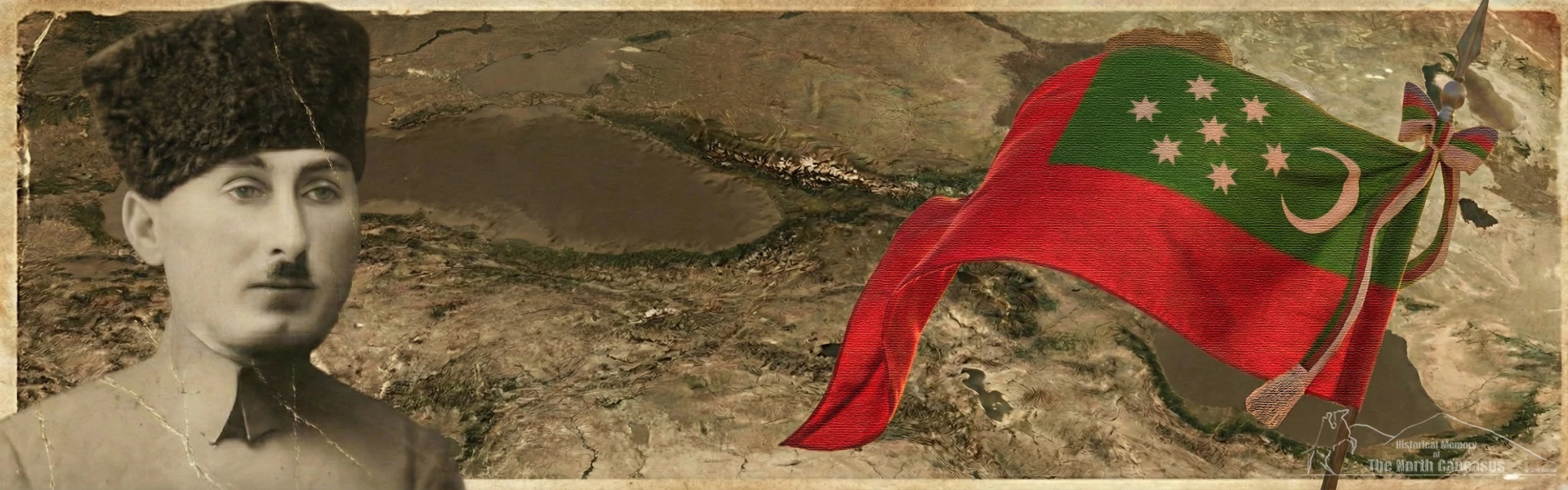
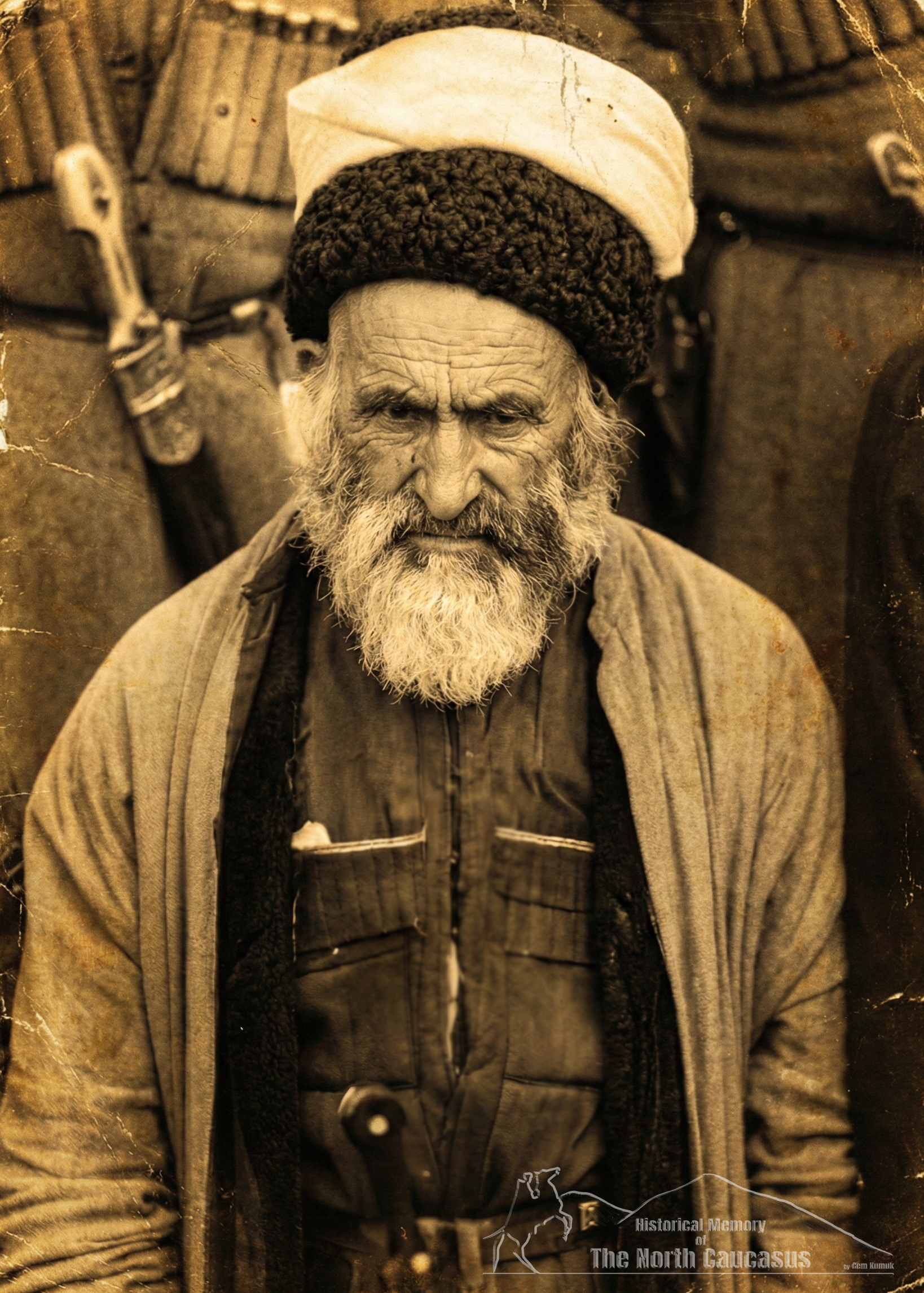
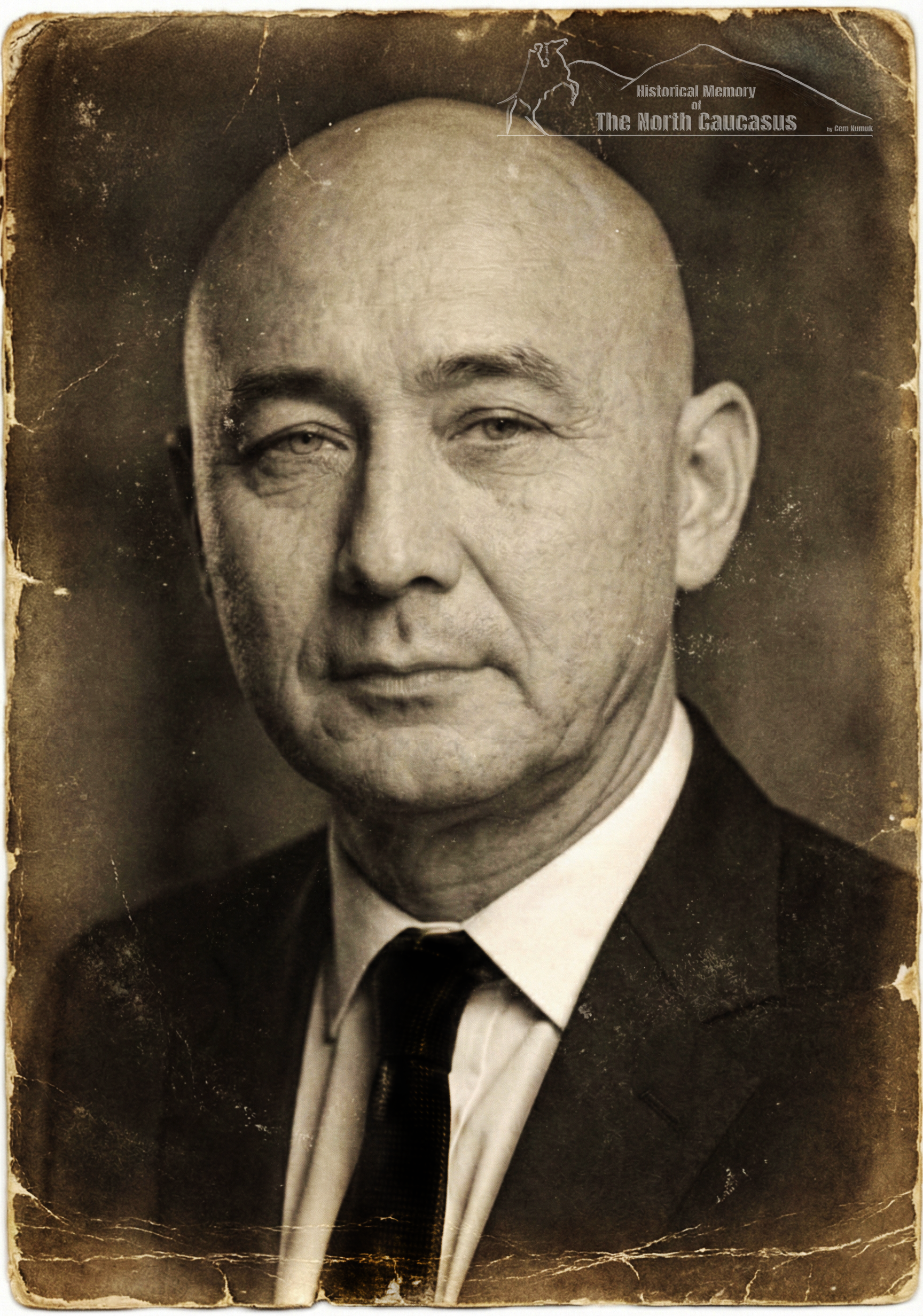
I have grown so weary of the demagogues who, preying on the darkness of ignorance, fill our people's minds with inflated, faux patriots, that on this blessed day of Ramadan, I wish to commemorate a distinguished figure—a true Caucasian patriot—on his 46th death anniversary with gratitude, whom we have rarely had the opportunity to honor properly.
Born in 1892 (Rumi 1308) in the village of Kayalar Reşitbey, Kazim Bey was one of the five children of Medine and Mehmet Kapba, who had been exiled to Ottoman lands during the uprisings in Abkhazia amidst the 1877–1878 Russo-Turkish War. After graduating from the Non-Commissioned Officer (NCO) Academy in Istanbul, he joined the North Caucasian staff of the 15th Infantry Division of the Caucasian Islamic Army in the summer of 1918, setting out for Dagestan.
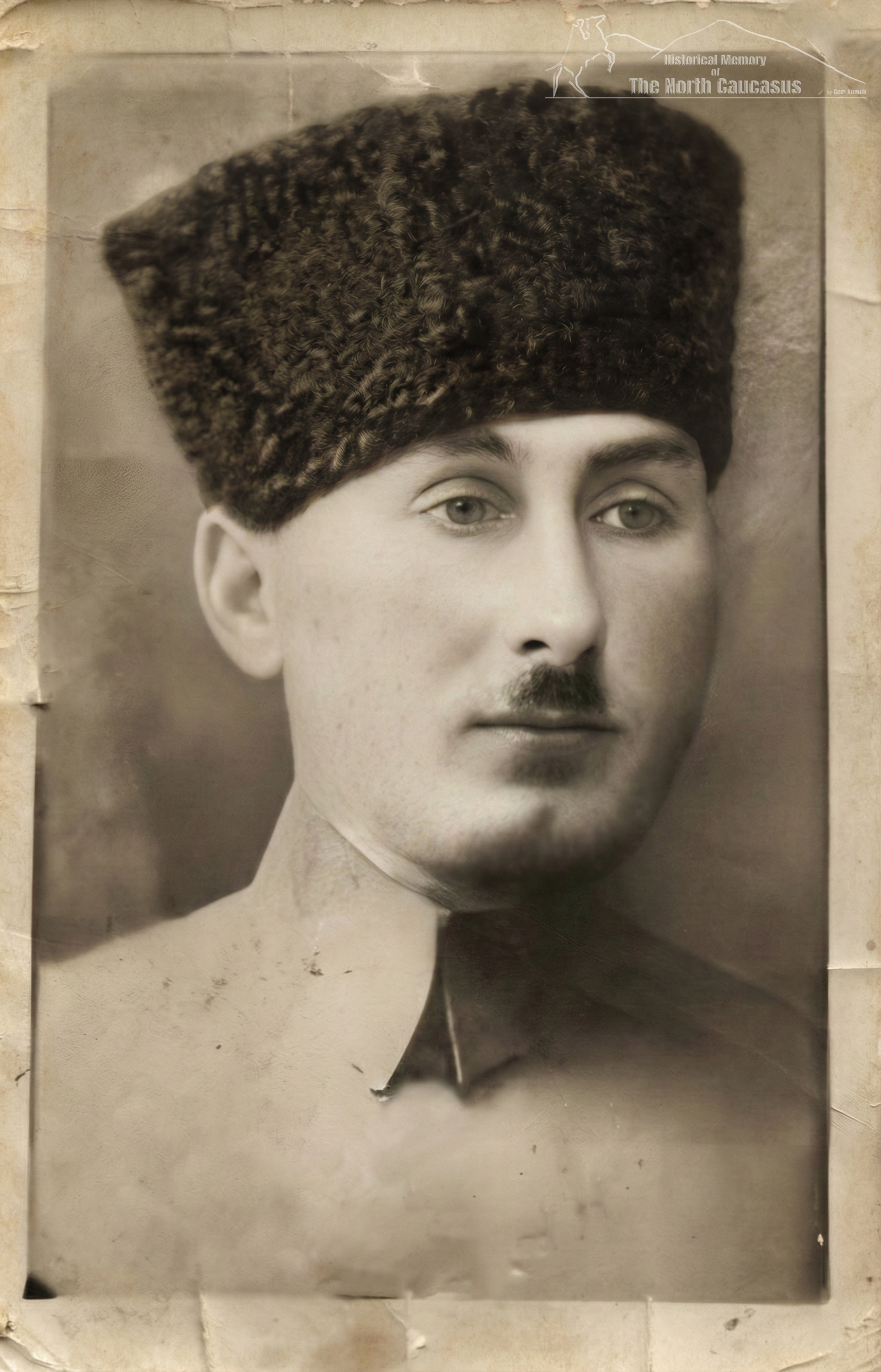
The year was 1918. Serving under the Azerbaijani Government as the Gendarmerie Regiment Commander of the Karabakh Province, I was fighting against the Armenians in accordance with the directives of the Ministry of Internal Affairs. It was then that the Armistice of Mudros was signed. Subsequently, the commanders of the victorious Allied powers began to pressure the Ottoman Army to lay down its arms and evacuate the Caucasus. Following a proposal from the Azerbaijani Government and with the approval of our own, I decided to remain at my post. Furthermore, to clarify my status, I completed preparations to assume the identity of a Caucasian officer.Initially serving as the Gendarmerie Commander in the Karabakh region to fend off Armenian offensives under the Azerbaijani Democratic Republic, he later resolved to join the defense of the North Caucasus against General Denikin’s British-backed occupying forces. He did so commanding a formidable contingent of former Ottoman troops who had specifically requested to remain under his command, comprising 4,350 regular infantry, 565 cavalry, and 87 officers of various ranks.
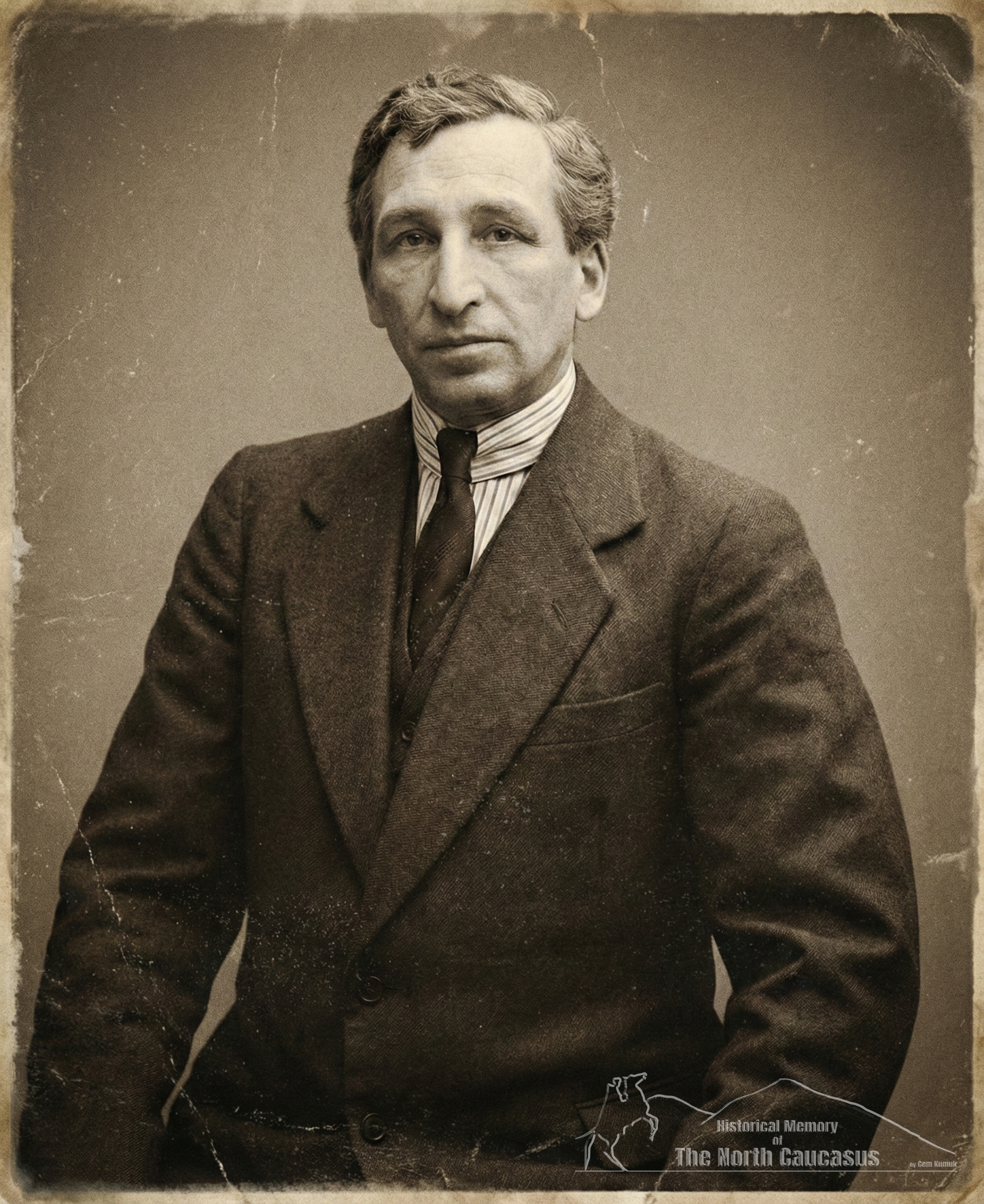
Following the invasion by General Denikin's Volunteer Army, members of the suspended Mountaineers’ Government formed an entity known as the North Caucasus Committee, operating under the Union Council established in Tbilisi to organize resistance forces. The Committee held its inaugural meeting in Tbilisi on July 12. Ostensibly to collaborate against Denikin, Bolshevik Mountaineers —who had opposed the Mountaineers’ independence in 1917—also joined the committee. However, they boycotted even the meetings concerning aid to the occupied Ingush territories. Not only did the Bolshevik Mountaineers abstain from voting, but they also refused to take on any roles within the committee, which elected Ahmed Tsalykkaty as the chairman. Consequently, aid proposals were voted on and unanimously approved in the absence of the Bolsheviks. From the very first days, it was evident that the Bolsheviks had no intention of acting in good faith.
The Committee invited Kapba Kazim Bey to Tbilisi to attend its sessions, seeking to leverage this young, patriotic officer in the resistance against both the White and Red armies. During the Congress held in Tbilisi under Tsalykkaty’s chairmanship to discuss countermeasures against Denikin—attended by Georgian, Azerbaijani, and North Caucasian delegates—Kazim Bey was elected Commander of the Caucasian Front on August 10, 1919, securing 49 out of 52 votes.
The Georgian Government placed 49 train cars of weapons, ammunition, and provisions, along with General Tasov and various Georgian officers, under Kazim Bey's command. Meanwhile, General Denikin dispatched a delegation led by General Paratov to Tbilisi to thwart this emerging alliance between the North Caucasus, Georgia, and Azerbaijan. However, this delegation never reached its destination. Receiving intelligence of their approach, Kazim Bey intercepted them as they crossed the Kura River bridge, detonating it and completely annihilating the delegation.
An encrypted message sent by the French from Istanbul to Paris on October 9 spoke of a general uprising organized by Turkish and Bolshevik agents in Dagestan, supported by the Menshevik Georgian administration, noting that Russian troops would have to evacuate Derbent and Temir-Khan-Shura. The 'Turkish agents' mentioned were, in fact, North Caucasian figures in the Ottoman Army, such as Aziz Meker, İsmail Hakkı Berkuk, and Kazim Kap. They were not orchestrating provocations for Ottoman state interests, but were genuinely fighting for the liberation of the North Caucasus.
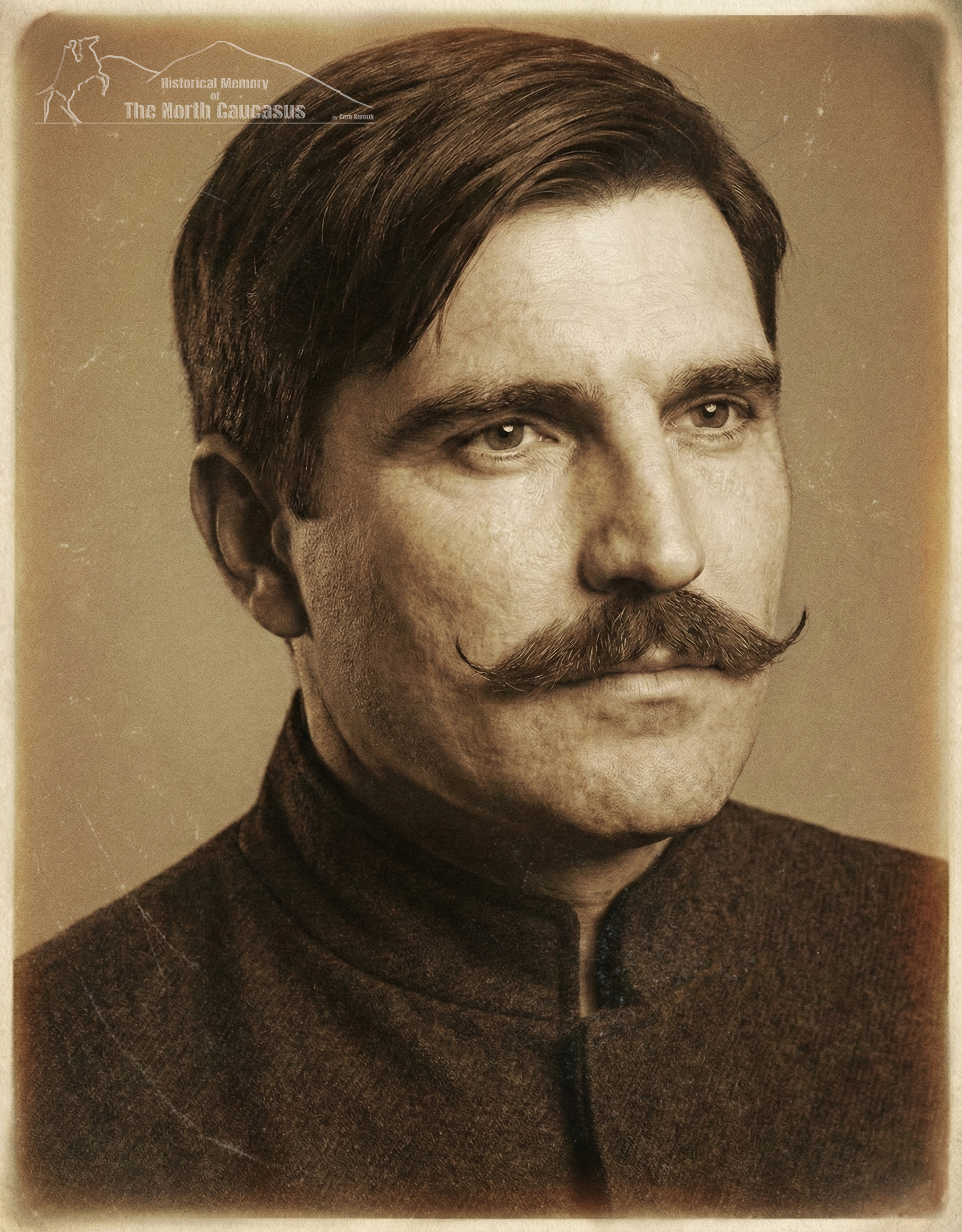
The Bolshevik members of the Mountaineers’ Defense Council exerted great effort to eliminate Kapba Kazim Kap, whom they viewed as a grave threat. Inciting Nuri Pasha against Kazim Bey, Mountain Bolsheviks Djelaleddin Korkmasov and Alibek Taho-Godi, aided by prominent Azerbaijani Bolsheviks, met with Nuri Pasha in Baku. Through lavish flattery, they convinced him to assume supreme command of the Defense Council's armed forces. Immediately upon assuming the role, Nuri Pasha sent a message to Kazim Bey, dismissing him, appointing Colonel Muhtar Bey in his stead, and ordering his prompt return to headquarters. Kazim Bey, however, defied this order, thwarting the Bolsheviks' scheme and continuing his military operations.
Cem Kumuk
Istanbul, 19 February 2026
References: (Click on the links to access the original works and documents)
[1] Tarık Cemal Kutlu, “1918-1921 Yıllarında Kuzey Kafkasya’daki Mücadelelerin Bilinmeyen Komutanı”, Kafkasya Yazıları, No.7, 1999, pp.38-40
[2] Kakagasanov and Kaymarazova (Ed.), Soyuz Obedineniy Gortsev Severnovo Kavkaza i Dagestana (1917-1918), Mahachkala 1994, pp.333-335.
[3] Salavat Iskhakov. Grazhdanskaya voyna v Rossii i Musulmane, Moscow, 2014, p.505.
[4] Archives diplomatiques du ministère des Affaires étrangères France (AMAEF), Documents about the activities of the Turkish Agents in Dagestan in 1919
[5] Mustafa Butbay, Kafkasya Hatıraları, Ankara, 1994, pp.15-22, 33-34, 101
[6] “Atmosfera v Dagestane raschishchayetsya”. Volnıy Gorets, 15 Mart 1920, № 34. p.3.
[7] “Dagestanskaya Pereputanitsa.” Volnıy Gorets, 29 Mart 1920, № 36. p.2.