
 Türkçe
Part 1: The Pillars of Confederal Ideology
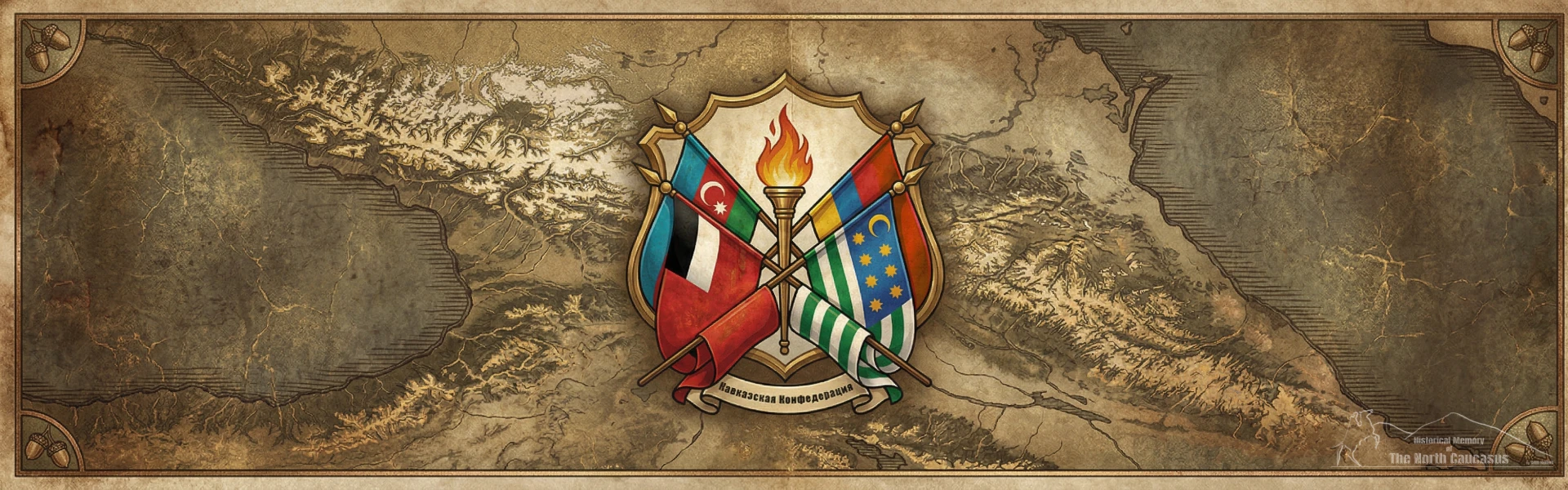
In this study, I aim to focus on the fundamental ideology, scope, pillars, and history of the Confederation of the Peoples of the Caucasus, as well as to correct certain common misconceptions and address existing gaps in the literature.
The concept of a Caucasian Confederation can be most concisely explained as the formalization of the United Caucasus ideal into a state structure. This emerged from the impossibility of the Caucasian peoples emancipating themselves from the yoke of the Russian Empire to exist as free, sovereign, individual, and independent states on their own. Consequently, the United Caucasus ideal, as is widely recognized, encompasses not only the Mountaineers of the Northern Caucasus but also the Transcaucasian peoples.
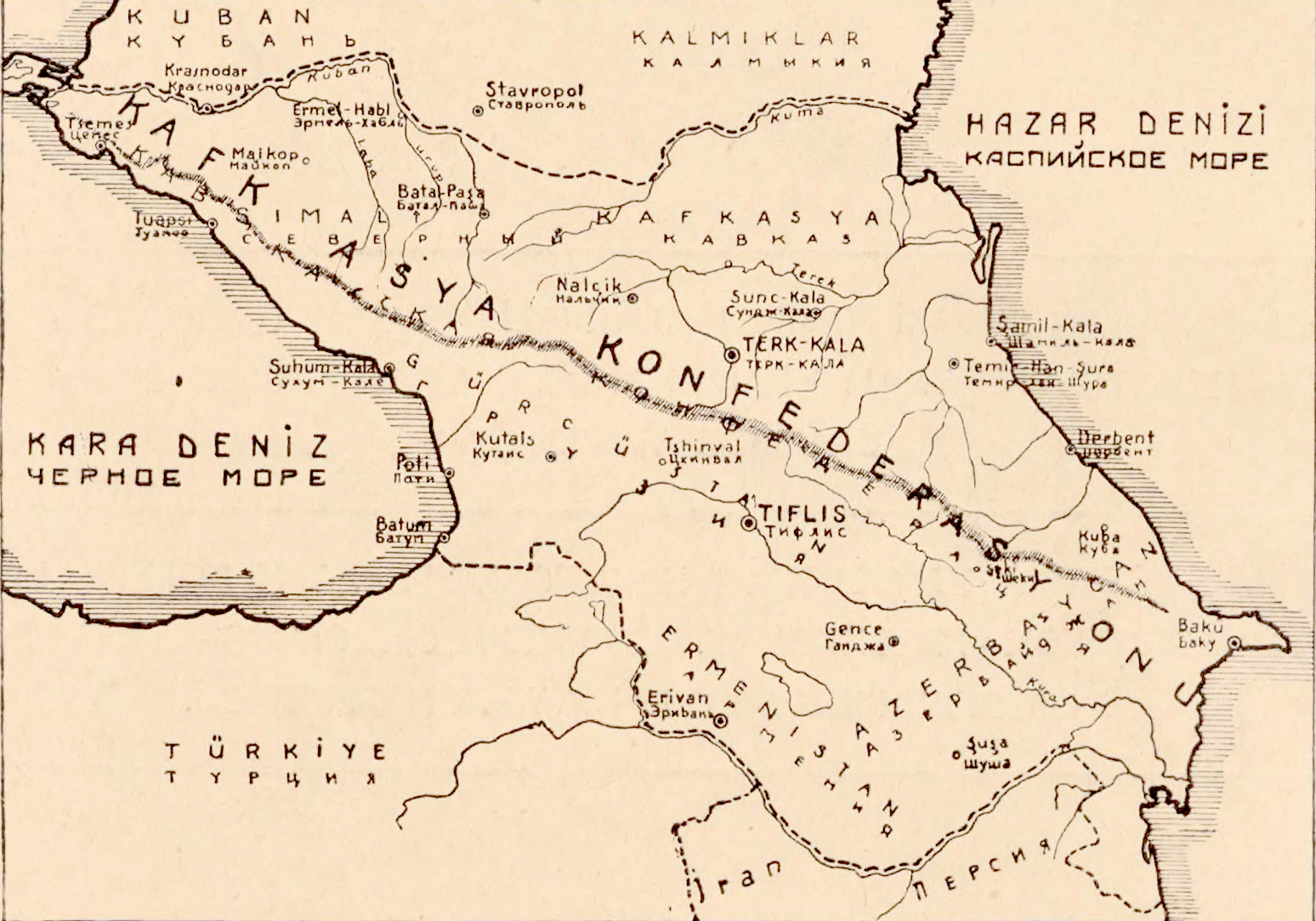
What, then, are the pillars of the Caucasian Confederation concept and its historical perspective from the past to the present?
Early Conceptions and World War IThe confederal idea began to take root in the lands of emigration in 1915, long before the winds of this ideal reached the Caucasus itself. With the outbreak of World War I, the Central Powers—particularly within the Ottoman state and political arena—began devising plans against Russia through Caucasian emigrants holding prominent positions.
Early in the war, Georgians in the Nationalist Democrat wing submitted a memorandum titled "The Project for the Neutralization of the Caucasus and Its Future Political Organization" to Otto Günther von Wesendonk on September 27, 1914. This was facilitated via the Georgian committee operating in Berlin, led by Giorgi Machabeli and Mikheil Tsereteli. According to this proposal, a "neutral" CAUCASIAN CONFEDERATION comprising the Kingdom of Georgia, Armenian-Tatar Cantons, and the Federation of Mountain Peoples was to be established. [1]
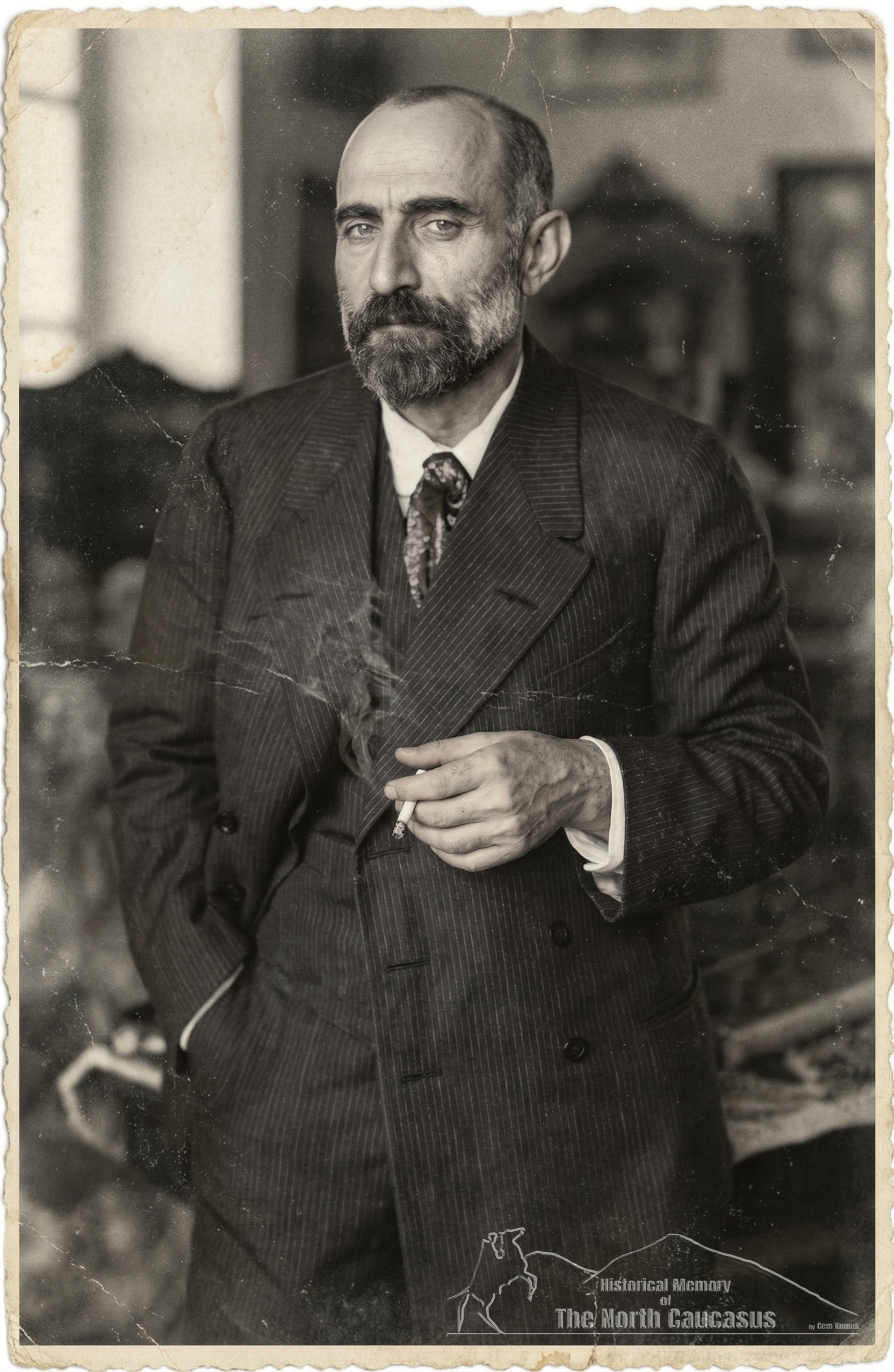
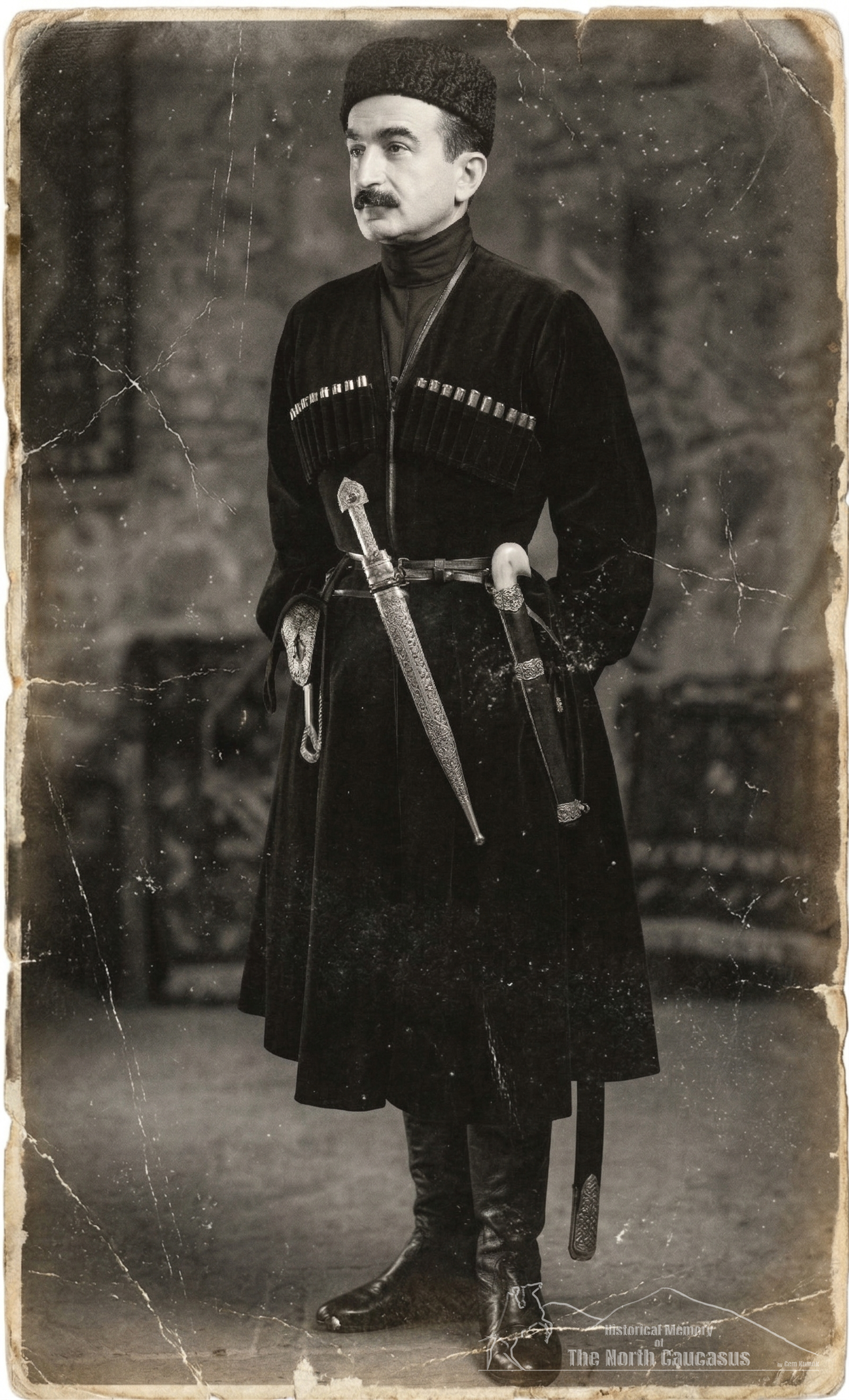
— The Ottoman Role: Although not highly favorable to Germany, the Ottoman Empire was to host the project, owing to its direct borders with the Caucasus and its accommodation of a substantial Caucasian emigrant population. This inherently meant the exclusion of Armenians from the project.
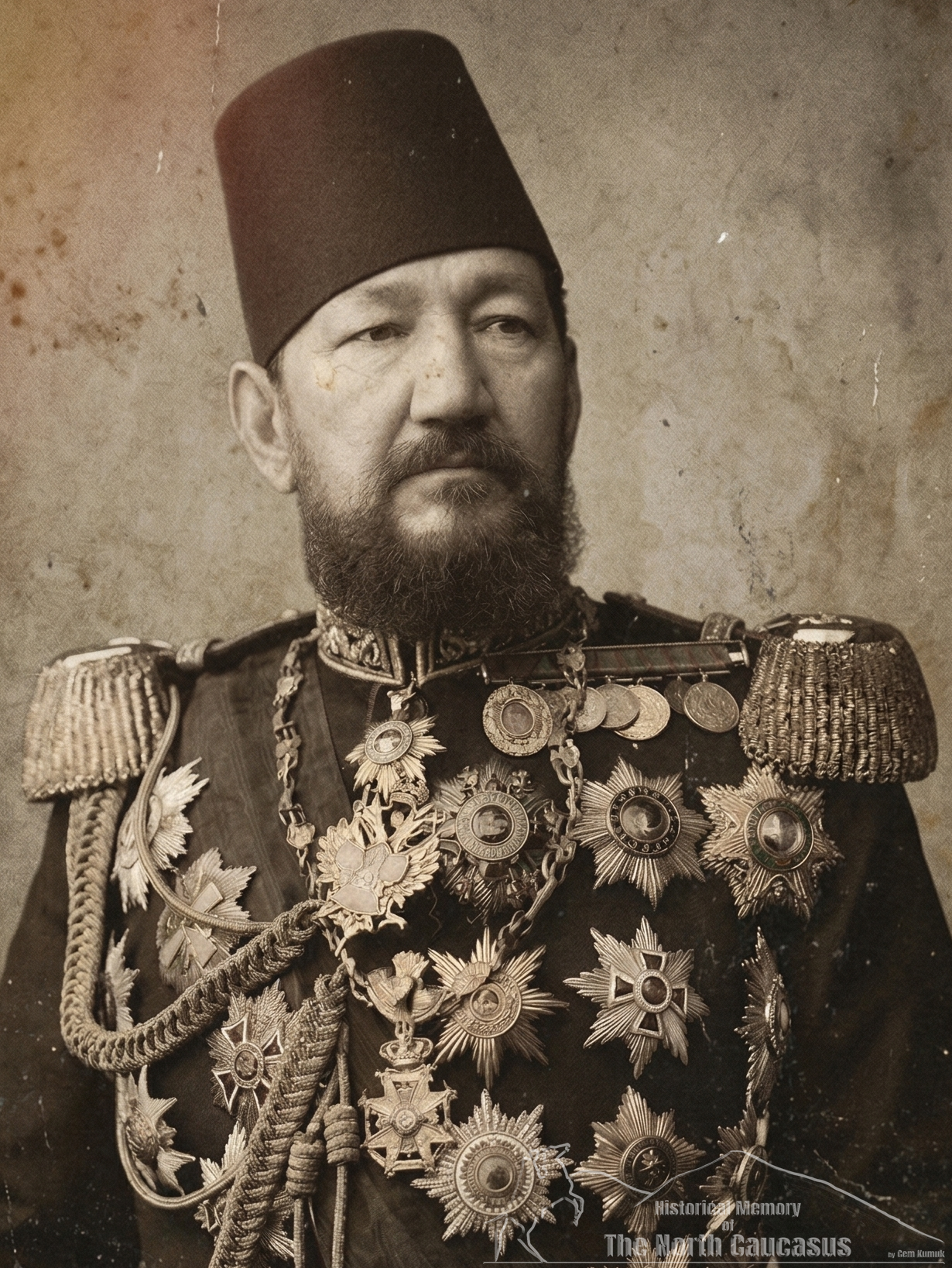
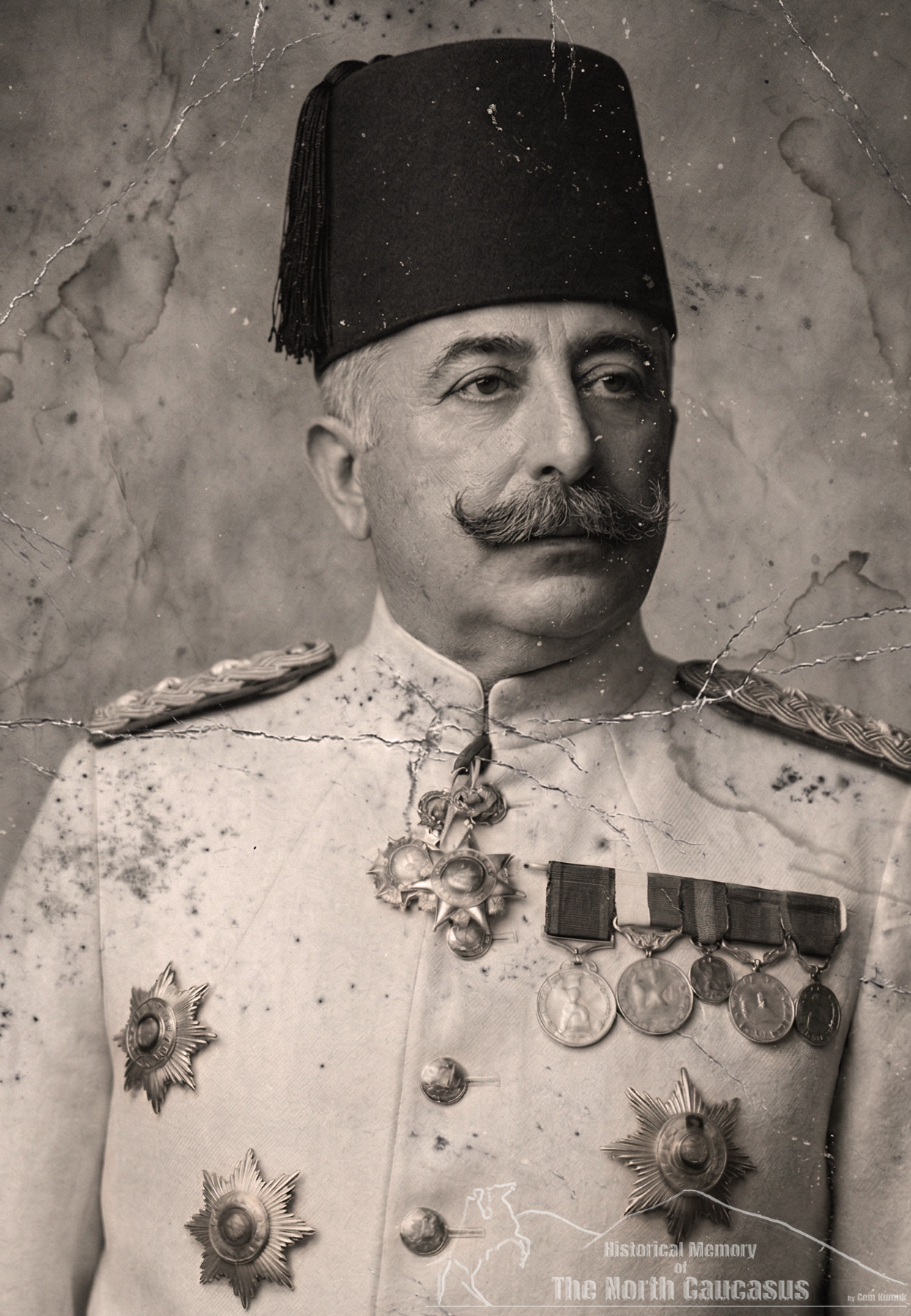
Formed in 1915 under the presidency of Marshal Deli (Mad) Fuad Pasha, the "Caucasus Committee" aimed to promote the ideal of a "Free and United Caucasus" through political and military means, which would be practically materialized within a Caucasian confederation model.
Within the Committee, the various peoples were represented as follows:
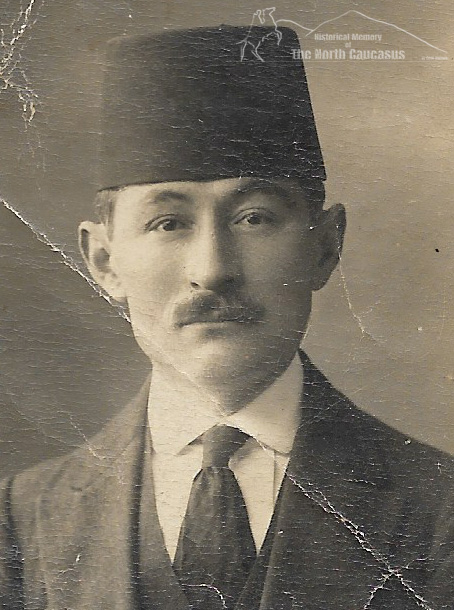
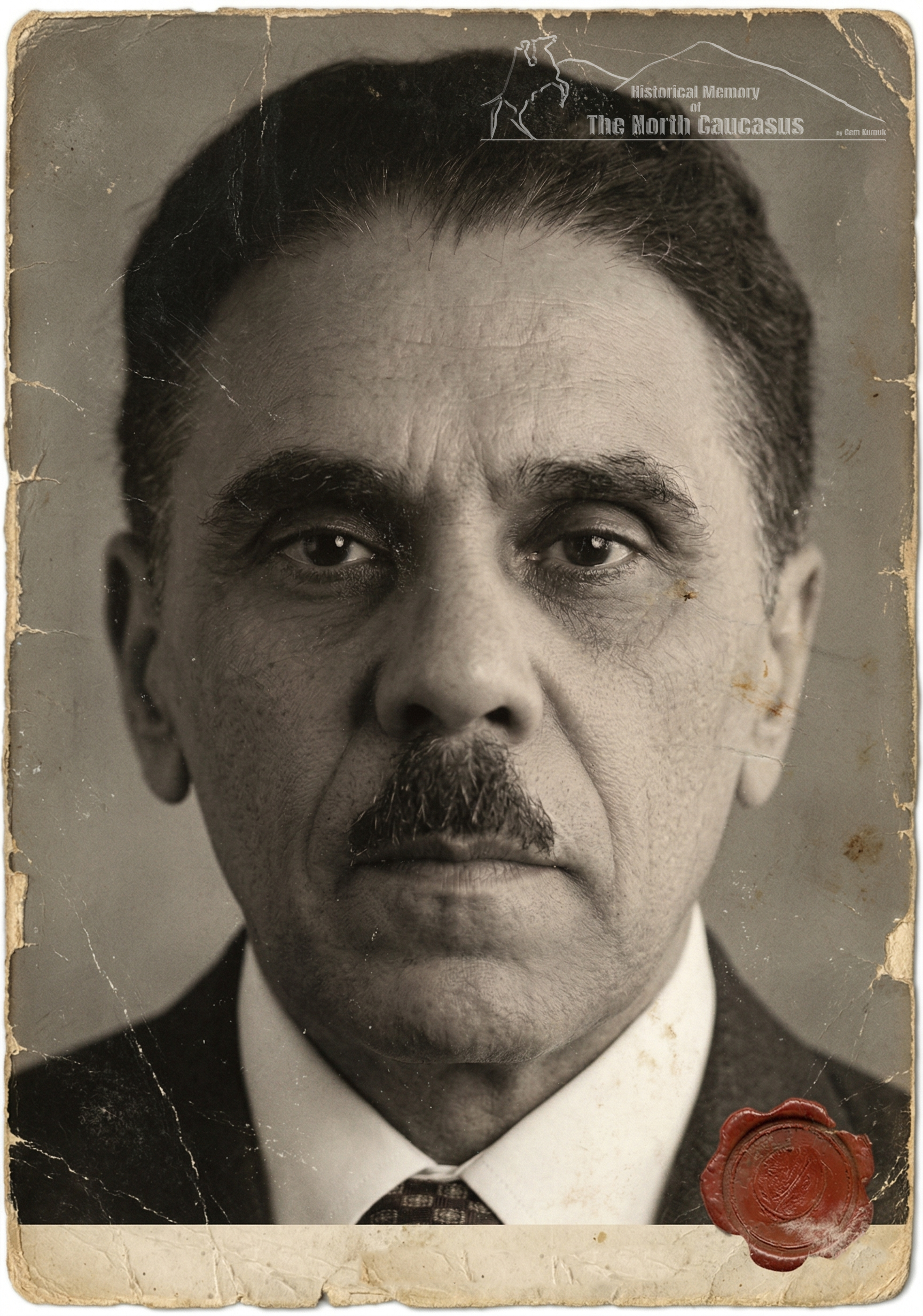
— Northern Caucasus: Marshal Deli Fuad Pasha (President), Ottoman Army Medical Inspector Dr. İsa Ruhi Pasha of Dagestan, and Professor of Agriculture Aziz Meker.
— Azerbaijan and Lezgins: Selim Bey Bebutov.
— Georgians: Prince Giorgi Machabeli and Cavalry Lieutenant Kamil Bey Tavdgiridze.
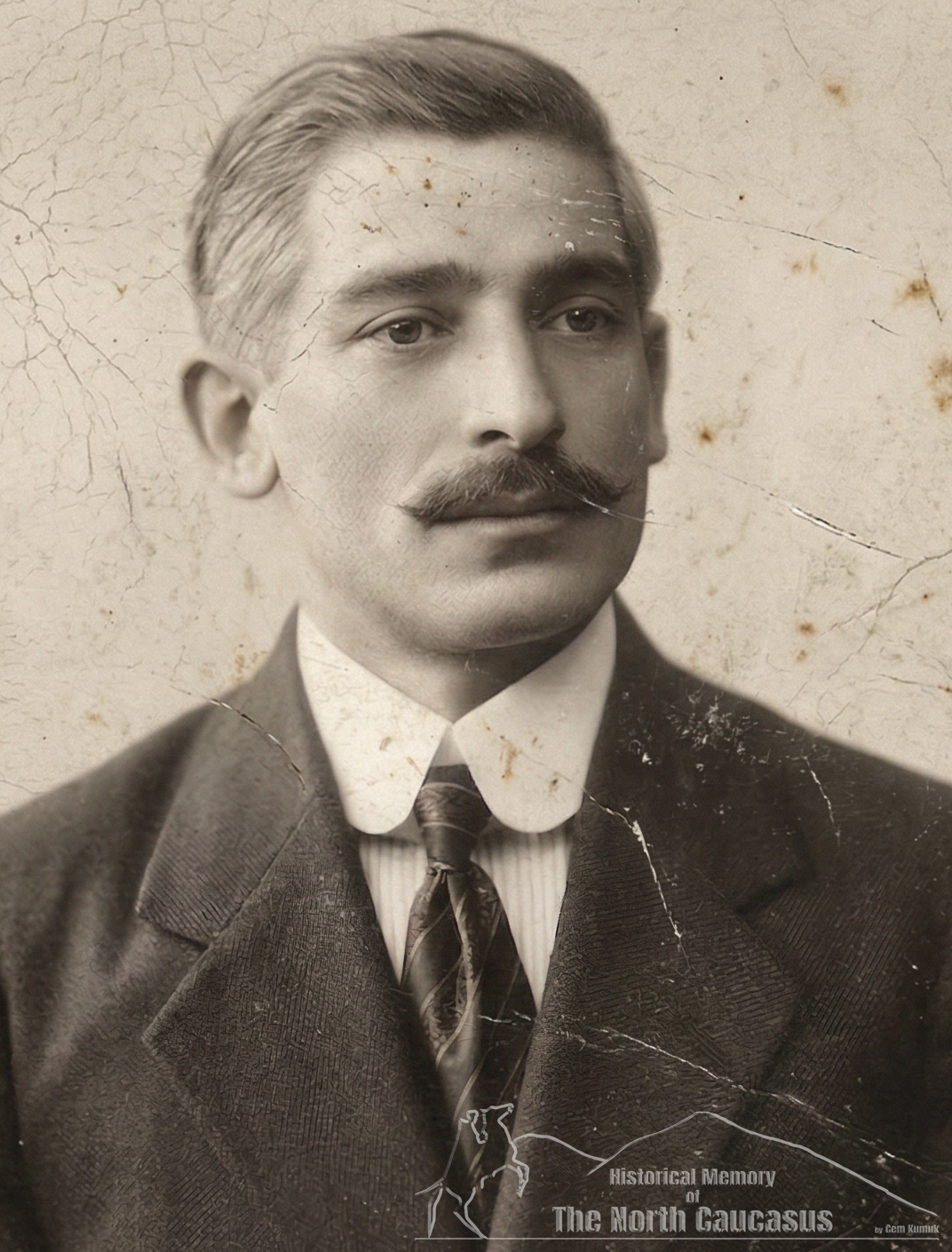
As the delegation prepared to mobilize towards the end of 1915 to conduct lobbying activities in centers like Berlin and Vienna, Professor Aziz Meker was tasked with drafting an introduction booklet to be presented to statesmen and politicians during these engagements.
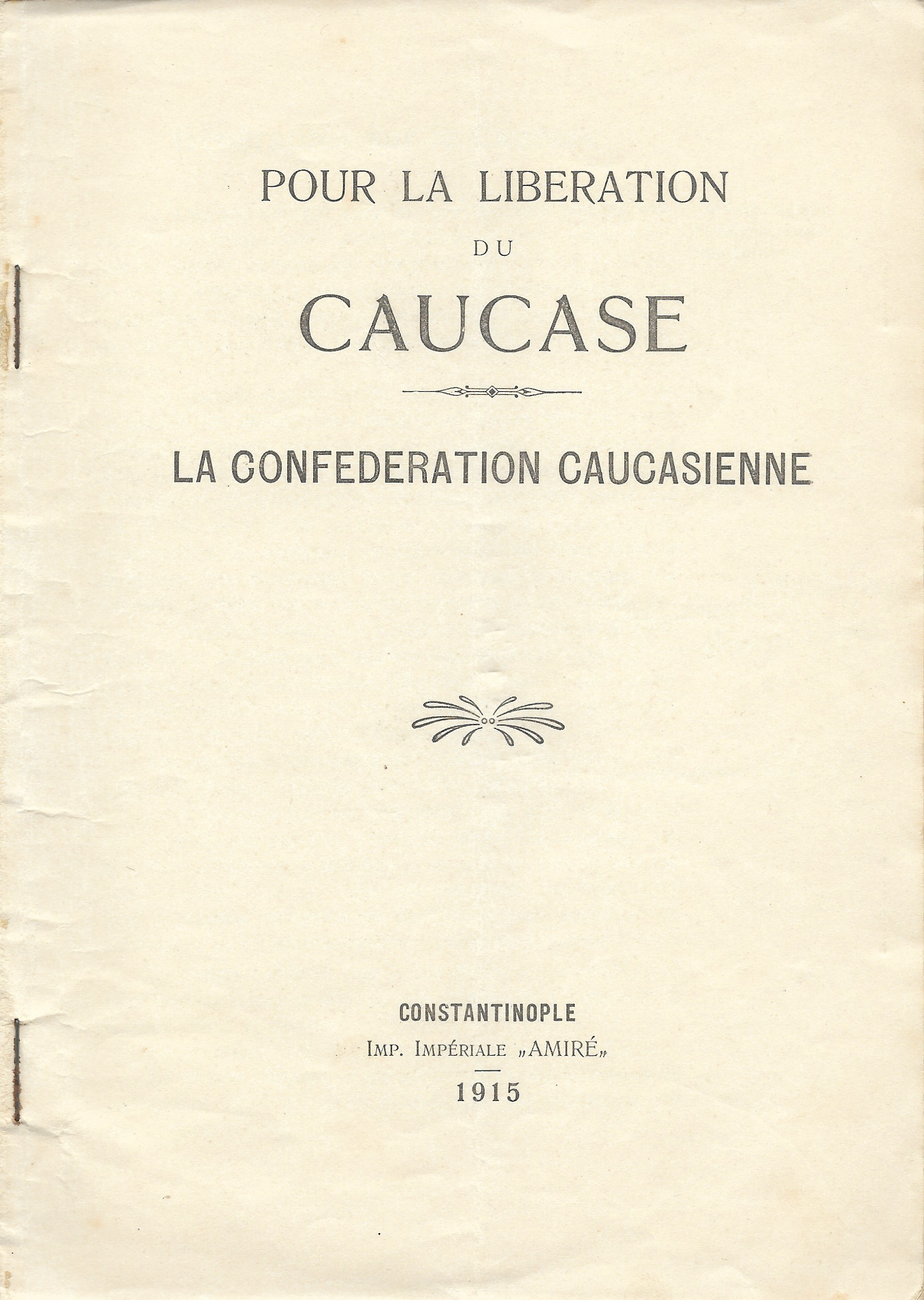
The 1915 DeclarationsIn the 32-page booklet, which is recorded as the first printed material on this subject, published at the Ottoman Palace press under the title "THE CAUCASIAN CONFEDERATION FOR THE INDEPENDENCE OF THE CAUCASUS," the most crucial segment was not the brief historical, geographical, ethnic, and economic information provided, but rather the concluding chapter in the final two pages: [2]
Assembled to represent the Georgian, Circassian, Azerbaijani Tatar, and Lezgin Committees, the delegates convened officially to analytically debate the geopolitical issues concerning the Caucasus precipitated by the current global war, and have unanimously ratified the following resolutions:
— Considering that the Russians have penetrated the Caucasus either through insidious diplomatic deceit (as witnessed in the case of Georgia) or through a relentless, ruthless, and merciless war against the region's heroic indigenous population—a people who remained utterly unconquerable against countless invaders for centuries and continually preserved their heritage and national individuality intact solely through the blood sacrifice of their children;
— Considering that the oppressive Russian administrative apparatus has strived towards aggressive and uncompromising Russification, operationalized exclusively through the absolute annihilation of the constituent peoples of the Caucasus, who were previously flourishing groups with their own distinct civilizations and cultures;
— Considering that such an administrative paradigm can fundamentally foster only profound discontent, fierce hatred toward the Russians, and an intense, burning desire among all inhabitants of this region to break free from the crushing yoke forcibly imposed upon them by the fatal trajectory of historical events;
— Considering the profound mutual strategic interests that inherently unite the diverse Caucasian nations;
— Considering contemporary geopolitical variables, the catastrophic collapse of the Russian military apparatus, and the initial, pioneering signals of revolution manifesting daily and spreading rapidly among the Caucasian peoples, the Committee assesses that the critical hour has arrived: The Caucasus must, for the sake of its common prosperity and collective liberation, decisively assert its agency and place the weight of its military sword upon the scales of the armed conflict waged against the Russians, fighting synergistically alongside the victorious military forces of the New Alliance, particularly Turkey.
The aforementioned Committee, analytically accounting for the geographical topography, ethnic architecture, the validity of national aspirations, the psychological disposition, and the high political maturity of the Caucasian peoples, and grounding itself fundamentally on the core principle of national self-determination, has resolved to construct a comprehensive CONFEDERATION encompassing the peoples of this region. This structure shall fundamentally preserve the unwavering freedom of each constituent nation to autonomously establish itself as a sovereign, independent state, while being tightly bound together by distinct treaties guaranteeing mutual strategic interests and collective defense.
Furthermore, the Committee postulates that even if Russia is physically compelled to evacuate the Caucasus, it will invariably maintain its expansionist ambitions over this lost territory. Consequently, under these strategic parameters, the nations constituting the Great Caucasian Confederation must inevitably ratify a structural military alliance with Turkey to guarantee their mutual strategic advantages and absolute security.
The Committee, comprised of delegates from the Georgian, Azerbaijani Tatar, Circassian, and Lezgin Committees, bears the profound honor of presenting the geopolitical cause of the Caucasus to the explicit cognizance of the respective governments forming the New Quadruple Alliance, and earnestly implores them to provide concrete assistance to the monumental endeavor of liberating the Caucasus. In executing this intervention, they will render a profound service to the cause of global justice and critically facilitate the restitution of violently usurped legal rights.
The definitive extraction of the Caucasus will halt the unbridled, voracious expansion of Russian imperialism and sequentially unlock vast, unprecedented spheres for the political and macroeconomic operations of the New Triple Alliance.
The Caucasus Delegation, composed of Representatives of the Circassians, Dagestanis, Georgians, Azerbaijani Tatars, and Lezgins, has the honor of submitting to the gracious attention of the German Imperial Government the following justifications and resolutions, which perfectly align with the views, sentiments, and aspirations of all indigenous peoples of the Caucasus.
— Given the policy pursued by the Russian Government in the Caucasus since the region's annexation to the Empire; a policy which, despite numerous demonstrations of loyalty by the Caucasian peoples, has constituted nothing but a series of assaults against any national aspiration, any original tradition, and any religious belief outside of Russian Orthodoxy; employing all possible means such as the ruination of the influential classes, the Russification of school curricula, the preclusion of non-Russians from acquiring professions, the disproportionate escalation of taxes, the arbitrary exile of massive populations to Siberia, and the dispatch of Russian settlers to the country to impose the Russian language, culture, religion, and comportment in the most ruthless, agonizing, and stifling manner; considering the psychological state inevitably engendered by such a regime in a country where only hatred for the Russians and a burning desire for self-liberation can be observed;
— Given the state of absolute helplessness to which the current war has reduced Russia;
— Given the community of traditions, customs, interests, and oppression that tightly binds the diverse elements comprising the population, irrespective of race, language, or religion;
The members of the Delegation, absolutely assured of the approval and unconditional support of the various peoples they represent, have unanimously adopted the following resolutions:
a) To regard the current era as an epoch unprecedented in history and to seize this unique opportunity to initiate an armed uprising aimed at casting off the yoke of Russian imperialism, thereby terminating the groans of a segment of humanity stifled in the clutches of an intolerably tyrannical power for over a century;
b) To form a kind of CONFEDERATION OF STATES, wherein each shall attain and maintain full administrative autonomy while being obliged to provide, to the extent of their capabilities, the troops and funds necessary for the defense of common interests and the security of the entire country;
c) To protect the New State against any attempt at conquest, to endow it with a military organization adapted to the conditions of the populace and the defense requirements of the country, and to conclude a military convention between Turkey and the Caucasian State to guarantee the mutual assistance of the two States for the preservation of their territorial integrity and common interests;
d) To present to the German Imperial Government and its allies the justifications proving that the loss of the Caucasus would deal a fatal blow to the political prestige and threatening posture of their most formidable enemies; and that the inevitable repercussions a movement in the Caucasus would generate in Turkestan, Iran, Afghanistan, India, and even within Russia itself could lead to incalculable consequences;
e) To request the powerful backing of the German Imperial Government for the realization of the Caucasian national ideal, which aims to establish a new State that will be bound to its benefactors by an eternal bond of gratitude and will eagerly offer them all economic and cultural advantages compatible with the principle of independence and the dignity of the country.
German Foreign Minister von Jagow conveyed the German Government's sincere promises of support to Fuad Pasha in his reply: [4]
Honorable Marshal,
I have the honor to inform Your Excellency of the receipt of your gracious letter dated the 17th of this month, along with the enclosed resolution. Since the outbreak of the war, the Imperial Government has engaged with organizations aiming to liberate the Caucasus from the Russian yoke and establish a confederation of independent states. As a testament to Germany's sincere interest in the Caucasian cause, I wish to promptly notify Your Excellency that the Imperial Government is prepared to offer its support to the Caucasians in realizing their national ideals and establishing an independent Caucasian state.
Internal Divisions and the Struggle for Unity (1918)Following the delegation's return to Istanbul, profound disagreements emerged among the Georgian and Azerbaijani members of the Committee. The Georgians preferred to align with the Germans rather than the Ottomans, with whom they had border disputes due to territorial claims. The Azerbaijanis, conversely, opted to secure a position for themselves under the umbrella of Türk Yurdu (Turkish Homeland) founded by Yusuf Akchura, prioritizing it over a broader Caucasian identity.
The North Caucasian Mountaineers, however, maintained their commitment to the principle of CONFEDERATION as the absolute objective of the independence struggle, emphasizing the joint necessity for organized unity and Ottoman-German support. When the requisite conditions for a joint struggle failed to materialize, the committee continued its operations solely with the presence of North Caucasian politicians as the "Committee of North Caucasian Political Emigrants in Turkey." [6]
During the later stages of the war, the clandestine rivalry waged by the supposedly allied Germans against the Ottoman Empire in the Caucasus emboldened Georgian politicians to believe they could achieve independence individually, rendering moves to revive the confederal idea fruitless. Despite the Bolsheviks' withdrawal of Russia from the global theater of war and signing the Treaty of Brest-Litovsk, internal rivalry among the victorious Central Powers resulted in the initiatives undertaken by North Caucasian politicians for a Caucasian Confederation going unheeded.
Haydar Bammat, who traveled to Baku and Tiflis on March 25, 1918, alongside Abdulmedjid (Tapa) Chermoy[ev], Zubair Temirkhan[ov], and Muhammad Qadi Dibir to negotiate the confederal idea, returned without tangible results. [7] When a consensus on border disputes could not be reached between Ottoman statesmen and representatives of the Transcaucasian Sejm, the representatives of the North Caucasian Government submitted memoranda to both parties on April 13, 1918, sustaining their persistent demands for the establishment of an independent Caucasian Confederation. [8]
North Caucasian statesmen, traversing from Trabzon to Istanbul, adamantly continued to advocate the confederal concept at the Sublime Porte. In a telegram sent on the night of April 25 to Vehib Pasha in Trabzon, Enver Pasha stated: [9]
[...] The North Caucasian delegates who accompanied me to the capital will return to Trabzon together with the Ottoman representative delegation and will participate in the negotiations. The North Caucasian representatives herein notified the government of the independence of the North Caucasus and also informed other governments via telegraph. Simultaneously, they have initiated attempts to unite with the South Caucasians.[...]
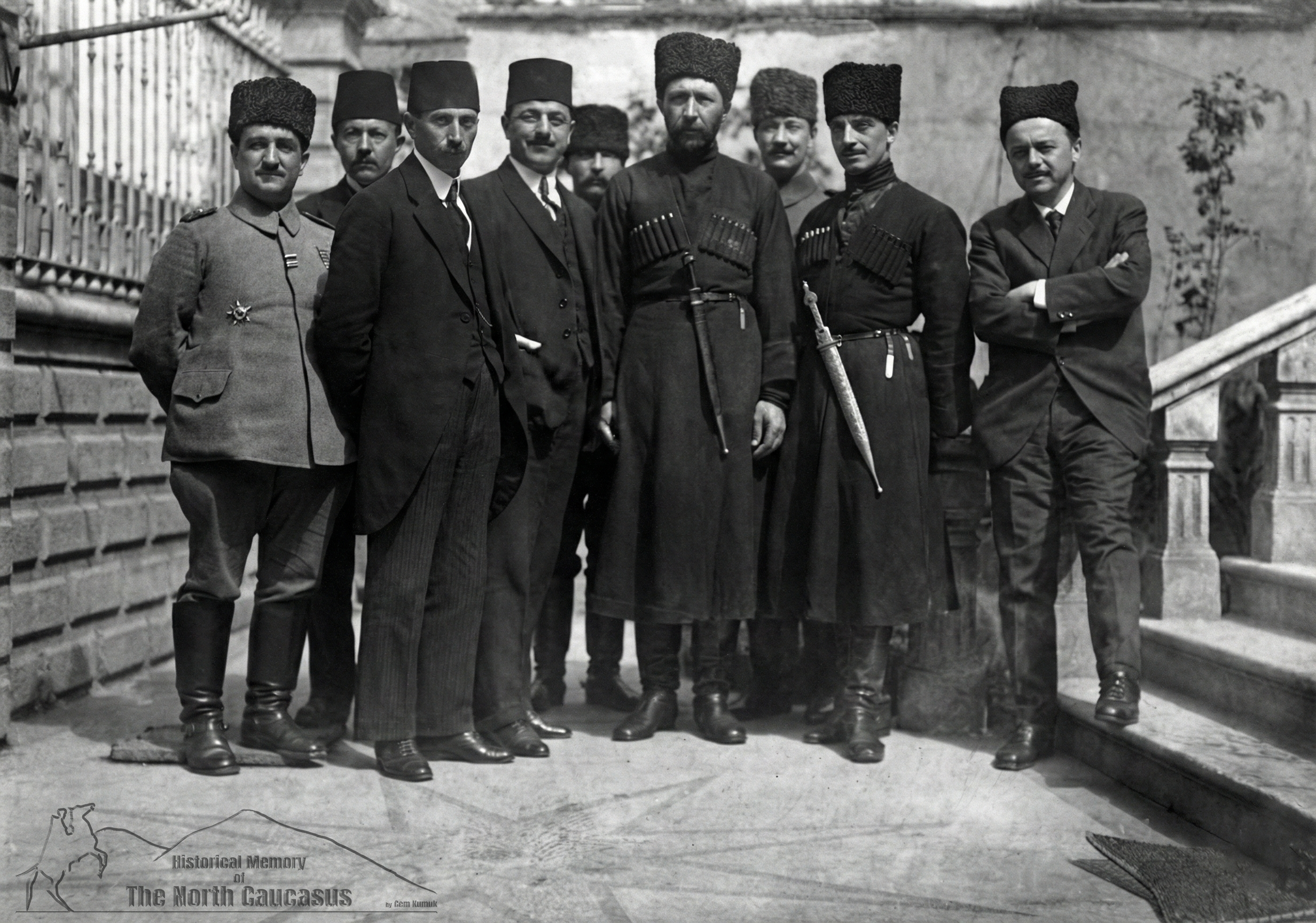
From the right; Abdülmecid (Tapa) Chermoy, Haydar Bammat, Muhammed Kadı Dibir
In a letter dispatched to Haidar Bammate on May 27, Georgian politician Akaki Chkhenkeli stated that the Georgian National Council had declared independence as of 17:00 on May 26, asserting that establishing strong ties with the peoples of the North Caucasus on a confederal basis was one of the Georgian government's priorities. Yet, he remained entirely silent regarding permission for the northward transit, via Georgian railways, of the military aid required for the defense of the North Caucasus. [10]
Realizing there was no remaining prospect of reaching a conclusion in Batum, Haidar Bammate visited the German envoy immediately upon his arrival in Istanbul. In the report dispatched to Berlin concerning this visit, von Bernstorff exposed Germany's duplicity in its Caucasian policy in all its starkness: [11]
As the latest of the peace delegations, representatives of the Mountain tribes of the North Caucasus visited me today. These are the same gentlemen who negotiated with General von Lossow in Batum. Like the Circassians, they are contemplating Marshal Fuad's journey to Berlin. I did not get the impression that they represent a concrete entity. They also admitted that their northern borders cannot be defined. However, since the South Caucasus cannot survive economically without the North Caucasus, and we absolutely do not wish to assume responsibility for supporting the South Caucasus, it will likely be necessary to make promises that are not overly extensive.
The day following this meeting, Haidar Bammate revisited the German Embassy to confer privately with the envoy. The message sent to Berlin read: [12]
[...] Following my telegram number 1023, Haidar Bammate [Bammatov], the Minister of Foreign Affairs of the North Caucasian Republic and Leader of the North Caucasian Delegation, personally known by name to His Excellency, visited me again today alone. He urgently requested joint German-Turkish assistance to eradicate the anarchy in the North Caucasus. He emphasized that the South Caucasus cannot survive without the North Caucasus. The anarchy in the North has also thwarted hopes of a new harvest. While the Azerbaijanis appear willing to do whatever the Turks demand, even if it signifies annexation, the Muslims of the North Caucasus desire to establish an independent confederation encompassing the entire Caucasus. [...]
Late Diplomatic Efforts and the Paris Peace Conference (1918–1919)Having failed to achieve any results from his diplomatic endeavors in Istanbul throughout the summer of 1918, Bammate, in light of the developments in World War I, transmitted a confederation memorandum proposal on October 4 to the representatives of the Transcaucasian republics in Istanbul: Mammad Amin Rasulzade, Georges Gvazava, and Avetis Aharonian. The proposal stated: [13]
On April 1 of this year, I had the honor of submitting a communiqué regarding the political structuring of the Caucasus to the representatives of the Ottoman Empire and the Transcaucasian Republic at the peace negotiations in Trabzon. In this declaration, I articulated my government's firm conviction that Transcaucasia could not exist as an independent state entity without joining the United Union of North Caucasian Peoples, and that the creation of a single Caucasus was an imperative dictated by economic and political strategic imperatives.
My government postulated that, without prejudice to various forms of political unification, through the comprehension and acceptance of this situation by the Transcaucasian Republic, conditions could be fostered in the Caucasus that would most closely address the vital interests of all Caucasian peoples and guarantee the internal and external development and prosperity of the country.
The various initiatives undertaken over the course of six months by Georgia, Azerbaijan, and Armenia—the constituent entities of the Transcaucasian Republic—to separate and establish fully independent states on Caucasian territory, the political difficulties, the experiences of national frictions, and the ensuing painful economic disarray in the country have, from my government's perspective, reinforced the validity of the aforementioned view: the necessity of a close political union among the young Caucasian states.
Based on the aforementioned considerations, my government has instructed me to apply to your excellencies, to inquire whether your government is willing to accede to the presented view, and to immediately undertake pragmatic measures for the establishment of the Confederal Union of Caucasian States.
Should Your Excellency accept the current proposal and make a designation consonant with your government's vital interests, the North Caucasian Government delegation, which I preside over, is authorized to immediately conclude an agreement in principle regarding this matter in Istanbul. Details will be resolved at a future Conference, the date and venue of which may be determined by the mutual consent of all relevant parties.
This crucial appeal was inadequately grasped by the Menshevik Georgians, Musavatist Azerbaijanis, and Dashnak Armenians, and was shelved under superficial pretexts.
— Georgia: The delegation, headed by Georges Gvazava, merely reported that the proposal was submitted to the Georgian government on October 7; no further response was received.
— Azerbaijan: Mammad Amin Rasulzade reported that the proposal was presented on October 11 to Ali Mardan Topchubashov, Azerbaijan's plenipotentiary representative in Istanbul, but no response was procured.
— Armenia: The head of the Armenian delegation, Aharonian, stated he lacked the authority to discuss the matter, expressing his belief that border disputes and independence issues needed to be resolved first, thereby deferring the matter to his government and ensuring the squandering of yet another historical opportunity. [14]
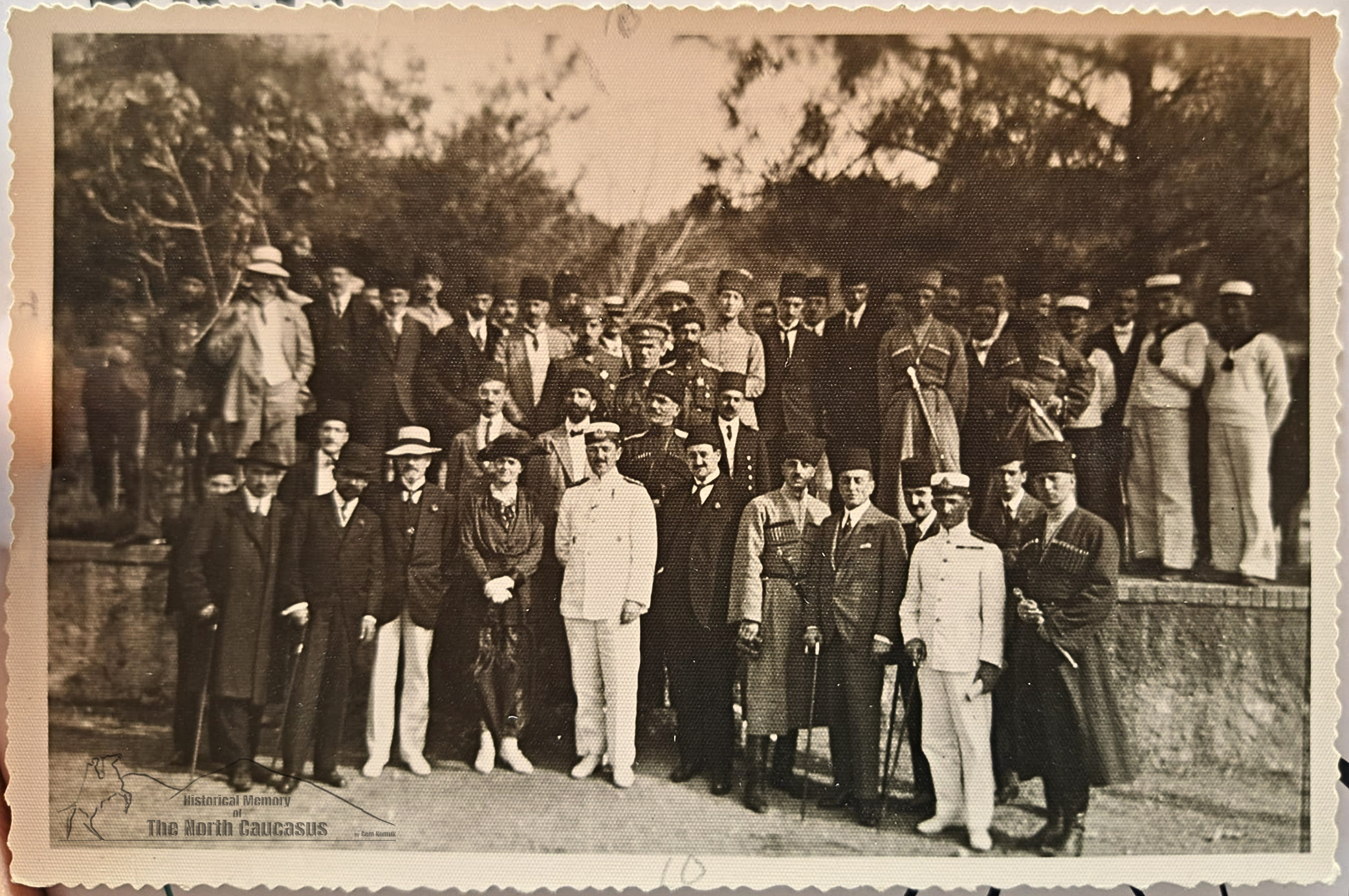
In a memorandum submitted to the Conference administration on May 9, 1919, the North Caucasian delegation articulated its approach: [15]
[...] The overarching global situation and the existence of major political conglomerations in the North and South necessitate that this geographical and economic totality be consummated by political unity. To draw attention to these pivotal considerations and to facilitate the delineation of the borders of the disparate states established in the Caucasus, on April 1, 1918, the North Caucasian Government proposed to the governments of all states established in the Caucasus the formation of a Caucasian confederation, wherein each confederate state would retain complete autonomy within its respective borders, safeguarding both the particular interests of each people and the general interests of the entire Caucasus.
This political structure, which addresses the fundamental needs of all Caucasian peoples, has been presented to all relevant parties on various occasions since April 1, 1918. In principle, no Caucasian government has rejected the Confederation concept. Deliberations on this matter continue between the various governments in the Caucasus and the Caucasian delegations in Paris. The government of our southeastern neighbor, the Republic of Azerbaijan, has accepted the principle of a Caucasian confederation, rendering the issue of our shared borders with this republic considerably less problematic. The confederal idea is gaining traction not merely within government circles, but above all, among all the peoples of the Caucasus. We are hopeful that the Georgians and Armenians, whose destinies are intertwined with ours, will soon adopt this political framework of the Caucasian Confederation, of which we remain the most fervent proponents. [...]
Haydar Bammat further articulated this vision in an interview with Le Journal on May 13, 1919: [16]
The North Caucasian Union is determined, proceeding from its own example, to advance the concept of a more comprehensive political Union embracing the entire Caucasus through the actions of its government.
The sentiment of Caucasian unity—born from the unity of geographical conditions and a protracted historical life, and revitalized in the modern era by the Russian conquest and its vestiges—has been potently stimulated over the past two years by the enfeeblement and dislocation of Russia, the de facto separation from Russia, and the impetus imparted to national ideas worldwide by the war, the victory of the Entente Powers, and the doctrine of America and its President.
Although Transcaucasia possesses a more fragmented structure in terms of tradition and religion than the North Caucasus, the idea of a Caucasian unity exists. This idea is taking shape. Transcaucasian national groups are cognizant that Transcaucasia cannot exist politically and economically in isolation.
Tatar Azerbaijan is effectively participating in the political orbit of the North Caucasus. A conference where all national groups in the Caucasus are converging is currently convening in Tiflis, aiming to resolve economic matters of mutual concern to the entire Caucasus in a spirit of unity, to establish a common system of communications, railways, postal, and telegraph services, and to form a Caucasian customs union.
On the political front, developments are less advanced. Yet even in Paris, the governments of the various Caucasian republics have corroborated their politics of unity. The Tatar, Georgian, and Armenian delegations dispatched to the Paris Peace Conference maintain close relations with the North Caucasian delegation and operate in concert with it.
Caucasian politicians have posited the idea of transforming the Caucasus into a confederation and establishing it as a neutralized buffer state, akin to a Switzerland of Asia, under the recognition and guarantee of the League of Nations, to ensure its international security.
The Bolshevik Advance and Collapse (1920–1921)Bammat's initiatives with the Allies throughout 1919 and 1920 proved futile. Furthermore, Azerbaijan and Georgia, with whom he aimed to establish a confederation, were deceived by the false promises of the Bolsheviks and entered into clandestine alliances with the Bolshevik Russians—at the direct expense of the occupation of the North Caucasus.
In the days when the entire Caucasus was on the verge of occupation by the Red Army, Haidar Bammate authored a memorandum addressed to Abel Chevalley, the French High Commissioner in Tiflis, urging intervention to alter the trajectory of events: [17]
The Confederal Idea: Responsible politicians in the North Caucasus have been cognizant of this situation since the inception of the Russian Revolution and have directed virtually all their efforts for nearly four years toward establishing a Caucasian Confederation comprising Azerbaijan, Armenia, Georgia, and the Union of Mountaineers of the North Caucasus. In early 1918, a Peace Conference was convened in Trabzon between Turkey and Transcaucasia. The North Caucasian Delegation arrived in Trabzon towards the conclusion of the negotiations and assumed a distinct stance there, formalized by a declaration I delivered on April 1, the very day the Transcaucasian Delegation departed for Tiflis, which stated:
"The North Caucasians are firmly convinced that Transcaucasia cannot exist as an independent state without a connection to the territories of Dagestan and the peoples of the North Caucasus. The creation of a united Caucasus is proposed on the basis of geographical, economic, strategic, and political considerations. Achieving this supreme objective is a duty for the North Caucasian Delegation, in alignment with the steps it has taken to establish contact with the national and political organizations of Transcaucasia in Tiflis..."
In May, Transcaucasia was partitioned into three states: Azerbaijan, Armenia, and Georgia. As President of the North Caucasian Delegation and Minister of Foreign Affairs, I immediately transmitted a formal proposal to the governments of Azerbaijan, Georgia, and Armenia for the organization of the Caucasian Confederation. We championed the same thesis in the brief submitted by the North Caucasian delegation to the Paris Peace Conference.
In December 1919, the North Caucasian Resistance Government, the Defense Council, fighting under exceptionally arduous conditions against the armies of General Denikin, forwarded the same demand to the governments in Tiflis and Baku.
In principle, the confederal idea was never repudiated by any of the Transcaucasian republics, but each, out of jealousy and suspicion towards its neighbors, placed every conceivable political and practical impediment before its realization, demonstrating a profound lack of foresight in the process.
The consequences of this myopic policy were catastrophic not only for us but also for Transcaucasia.
Had the Caucasian Confederation materialized as we proposed in early 1918, the Volunteer Army of General Denikin would not have dared to attack and dismantle the North Caucasian Republic, even during our struggle against them. Had the request of our Defense Council been accepted and had we been supported by France, we could have consolidated our resistance government—largely liberated by our own forces—months prior to the arrival of the Red Armies in our territories, and with our uncompromising stance against Soviet Russia, we could have secured the safety not only of the North Caucasus but also of Transcaucasia. Regrettably, the governments of Baku, Tiflis, and Yerevan failed to appreciate the significance of the North Caucasian question for the destiny of Transcaucasia.
Following the occupation of our territories in Dagestan, it took a mere two weeks and a single Red battalion to overthrow the Baku government and establish Soviet rule in Azerbaijan. This was followed by the Sovietization of Armenia, and shortly thereafter, it was Georgia's turn.
As a direct consequence of the occupation of Tiflis by the Red Army in February 1921, and the subsequent fall of Poti and Batum to the Bolsheviks, Caucasian politicians were ultimately compelled to seek asylum in Turkey and France in March and April.

Istanbul, 10 April 2026
To be continued: Part II: The Manifestation of the Confederation Ideology in Émigré Politics
References: (Click on the links to access the original documents and works
[1] Wolfdieter Bihl, Die Kaukasus-Politik der Mittelmächte. Ihre Basis in der Orient-Politik und Ihre Aktionen 1914-1917 [The Caucasus Policy of the Central Powers: Its Basis in the Orient Policy and Its Actions 1914-1917], Part 1, Vienna, 1975, p. 60.
[2]Aziz Meker, Pour la Libération du Caucase – La Confédération Caucasienne [For the Liberation of the Caucasus – The Caucasian Confederation], Istanbul, 1915.
[3] Haus-, Hof- und Staatsarchiv, Politisches Archiv (HHStA, PA), I 947 Krieg 21 k Türkei: Georgisch-grusinischer Aufstand im Kaukasus 1914-18 [Georgian-Grusian Uprising in the Caucasus 1914-18], Decisions of the Caucasus Committee, October 15, 1915.
[4] Haus-, Hof- und Staatsarchiv, Politisches Archiv (HHStA, PA), Letter from Gottlieb von Jagow to Marshal Fuad Pasha, Berlin, December 19, 1915.
[5]Gotthard Jaeschke, “1916 Lozan Kongresinde Rusya Mahkûmu Milletler” ["The Captive Nations of Russia at the 1916 Lausanne Congress"], Şimali Kafkasya - Severny Kavkaz, No. 38-40, Warsaw, 1937, pp. 8-13.
[6] Comité de Bienfaisance des Émigrés Politiques de la Ciscaucasie en Turquie, Aperçu Historique sur les Ciscaucasiens pendant la Guerre Mondiale [Historical Overview of the Ciscaucasians during the World War], Istanbul, 1918, p. 15.
[7] IRCICA, Haydar Bammat Archive, Declaration of the North Caucasian Government to the Transcaucasian Sejm regarding the necessity of a Caucasian Confederation, Trabzon, April 1, 1918.
[8] IRCICA, Haydar Bammat Archive, Haydar Bammat’s brief handwritten autobiography, Paris, 1947.
[9] Enis Şahin, Trabzon ve Batum Konferansları [The Trabzon and Batum Conferences], Ankara, 2002, pp. 523-524.
[10] Sakartvelos Erovnuli Arkivi (SEA) [National Archives of Georgia], Letters from Akaki Chkhenkeli to Haydar Bammat and Tapa Tchermoeff, May 1918.
[11] Bundesarchiv, Politisches Archiv des Auswärtigen Amts (PA AA), Ciphered telegram No. 1023 from von Bernstorff to the Ministry of Foreign Affairs, June 27, 1918.
[12] Bundesarchiv, Politisches Archiv des Auswärtigen Amts (PA AA), Ciphered telegram No. 1025 from von Bernstorff to the Ministry of Foreign Affairs, June 28, 1918.
[13] IRCICA, Haydar Bammat Archive, Appeal by the Republic of the North Caucasus to the Transcaucasian Republics and the Central Powers for the establishment of a Caucasian Confederation (October 4, 1918).
[14] IRCICA, Haydar Bammat Archive, Response of the Transcaucasian Republics to the appeal of the Republic of the North Caucasus for the establishment of a Caucasian Confederation, October 7, 11, and 14, 1918.
[15] IRCICA, Haydar Bammat Archive, Memorandum from the Delegation of the North Caucasus to the Secretariat of the Peace Conference (in French), Paris, May 9, 1919.; Memorandum from the Delegation of the North Caucasus to the Secretariat of the Peace Conference (in Russian), Paris, May 9, 1919.
[16] IRCICA, Haydar Bammat Archive, Haydar Bammat’s interview with the newspaper Le Journal, May 13, 1919.
[17] Archives Diplomatiques du Ministère des Affaires Étrangères de la République Française (AMAEF), Memorandum sent by Haydar Bammat to the French High Commissioner Abel Chevalley, Tiflis, January 24, 1921.